September 23rd, 2018 11:58 AM CHINA AND RUSSIA Their position is very much like mine: that the cancers of the west’s hedonism not spread to their societies. In that sense I envy those countries. The fact that they would, if possible, not only defend themselves from (((western))) decline, but violate every possible bit of reciprocity and return the world to it’s pre-law order, is something else.
Theme: Civilization
-
The History of Genetic Replacement in Europe
September 22nd, 2018 3:46 PM THE HISTORY OF GENETIC REPLACEMENT IN EUROPEGenetic Replacement Is The Norm Non-Africans mainly descend from the main successful out of Africa expansion at around 65 ka.
- expands into central asia –
“West Eurasians”
—diverges into–
divergence to some 50,000 years ago
west eurasians and east asians.- and breeds with neanderthal –
ends 45ka- expands into europe via –
via Danubian(north) or Balkan (south) routes?
- expands into europe via –
- prospers into-
“Cro Magnon” = “European early modern humans” (EEMH) 45-43ka (‘sturdy’)
(- is bottlenecked by glacial maximum -)
37-15ka- EEMH Evolves into: –
“West European Hunter-Gatherer” (WHG). 15ka (‘gracile’)- Invaded and Replaced by —
“Early European Farmers” (EEF) 9ka.
Invaded and Replaced by —
Ancient North Eurasian (ANE) lineages from the Central Asian steppes.
- Invaded and Replaced by —
======= The genetic history of Europe since the Upper Paleolithic is inseparable from that of wider Western Eurasia. By about 50,000 years ago (50 ka) a basal West Eurasian lineage had emerged (alongside a separate East Asian lineage) out of the undifferentiated “non-African” lineage of 70 ka.[3] The basal Western Eurasians were early exposed to significant Neanderthal admixture. Introgression of Neanderthal traits persisted in European populations into the present, affecting traits such as skin tone and hair color, height, sleeping patterns and mood.[4] European early modern humans (EEMH) lineages between 40 to 26 ka (Aurignacian) were still part of a large Western Eurasian “meta-population”, related to Central and Western Asian populations.[3] Divergence into genetically distinct sub-populations within Western Eurasia is a result of increased selection pressure and founder effects during the Last Glacial Maximum (LGM, Gravettian).[5] By the end of the LGM, after 20 ka, A Western European lineage, dubbed West European Hunter-Gatherer (WHG) emerges from the Solutrean refugium during the European Mesolithic.[6] These mesolithic hunter-gatherer cultures are substantially replaced in the Neolithic Revolution by the arrival of Early European Farmers (EEF) lineages derived from mesolithic populations of West Asia (Anatolia and the Caucasus).[7] In the European Bronze Age, there were again substantial population replacements in parts of Europe by the intrusion of Ancient North Eurasian (ANE) lineages from the Central Asian steppes. These population replacements are associated with the Beaker culture archaeologically and with the Indo-European expansion linguistically.[8] As a result of the population movements during the Mesolithic to Bronze Age, modern European populations are distinguished by their clinal differences in WHG, EEF and ANE ancestry.[9] Admixture rates varied geographically; in the late Neolithic, WHG ancestry in farmers in Hungary was at around 10%, in Germany around 25% and in Iberia as high as 50%.[10] Sardinians are characterized by almost pure derivation from EEF. The contribution of EEF is strongest in Mediterranean Europe, and declines towards northern and northeastern Europe, where WHG ancestry is stronger. ANE ancestry is found through throughout Europe, with maxima of about 20% found in Baltic people and Finns. WHG ancestry is also strongest in northeatern Europe, with contributions close to 50% found in the Baltic.[11] Ethnogenesis of the modern ethnic groups of Europe in the historical period is associated with numerous admixture events, primiarily those associated with the Roman Empire, and the Germanic and Norse, Slavic, Arab and Turkish expansions. ======= European early modern humans
From Wikipedia, the free encyclopedia European early modern humans (EEMH) in the context of the Upper Paleolithic in Europe refers to the early presence of anatomically modern humans in Europe. The term “early modern” is usually taken to include fossils of the Aurignacian, Gravettian, Solutrean and Magdalenian, extending throughout the Last Glacial Maximum (LGM), covering the period of roughly 45,000 to 15,000 years ago. The description as “modern” is used as contrasting with the “archaic” Neanderthals which lived in Europe during 300,000 to 40,000 years ago. The term EEMH is equivalent to Cro-Magnon Man, or Cro-Magnons, a term derived from the Cro-Magnon rock shelter in southwestern France, where the first EEMH were found in 1868. Louis Lartet (1869) proposed Homo sapiens fossilis as the systematic name for “Cro-Magnon Man”. W. K. Gregory (1921) proposed the subspecies name Homo sapiens cro-magnonensis. In literature published since the late 1990s, the term EEMH is generally preferred over the common name Cro-Magnon, which has no formal taxonomic status, as it refers neither to a species or subspecies nor to an archaeological phase or culture. The earliest known remains of EEMH can be dated to before 40,000 years ago (40 ka) with some certainty: those from Grotta del Cavallo in Italy, and from Kents Cavern in England, radiocarbon dated to 45â41 ka. A number of other early fossils are dated close to or just after 40ka, including fossils found in Romania (PeÈtera cu Oase, 42â37 ka) and Russia (Kostenki-14, 40â35 ka). The Siberian Ust’-Ishim man, dated to 45 ka, was not geographically found in Europe, and indeed is not part of the “Western Eurasian” genetic lineage, but intermediate between the Western Eurasian and East Asian lineages. The EEMH lineage in the European Mesolithic is also known as “West European Hunter-Gatherer” (WHG). These mesolithic hunter-gatherers emerge after the end of the LGM ca. 15 ka and are described as more gracile than the Upper Paleolithic Cro-Magnons. The WHG lineage survives in contemporary Europeans, albeit only as a minor contribution overwhelmed by the later Neolithic and Bronze Age migrations. - expands into central asia –
-
The History of Genetic Replacement in Europe
September 22nd, 2018 3:46 PM THE HISTORY OF GENETIC REPLACEMENT IN EUROPEGenetic Replacement Is The Norm Non-Africans mainly descend from the main successful out of Africa expansion at around 65 ka.
- expands into central asia –
“West Eurasians”
—diverges into–
divergence to some 50,000 years ago
west eurasians and east asians.- and breeds with neanderthal –
ends 45ka- expands into europe via –
via Danubian(north) or Balkan (south) routes?
- expands into europe via –
- prospers into-
“Cro Magnon” = “European early modern humans” (EEMH) 45-43ka (‘sturdy’)
(- is bottlenecked by glacial maximum -)
37-15ka- EEMH Evolves into: –
“West European Hunter-Gatherer” (WHG). 15ka (‘gracile’)- Invaded and Replaced by —
“Early European Farmers” (EEF) 9ka.
Invaded and Replaced by —
Ancient North Eurasian (ANE) lineages from the Central Asian steppes.
- Invaded and Replaced by —
======= The genetic history of Europe since the Upper Paleolithic is inseparable from that of wider Western Eurasia. By about 50,000 years ago (50 ka) a basal West Eurasian lineage had emerged (alongside a separate East Asian lineage) out of the undifferentiated “non-African” lineage of 70 ka.[3] The basal Western Eurasians were early exposed to significant Neanderthal admixture. Introgression of Neanderthal traits persisted in European populations into the present, affecting traits such as skin tone and hair color, height, sleeping patterns and mood.[4] European early modern humans (EEMH) lineages between 40 to 26 ka (Aurignacian) were still part of a large Western Eurasian “meta-population”, related to Central and Western Asian populations.[3] Divergence into genetically distinct sub-populations within Western Eurasia is a result of increased selection pressure and founder effects during the Last Glacial Maximum (LGM, Gravettian).[5] By the end of the LGM, after 20 ka, A Western European lineage, dubbed West European Hunter-Gatherer (WHG) emerges from the Solutrean refugium during the European Mesolithic.[6] These mesolithic hunter-gatherer cultures are substantially replaced in the Neolithic Revolution by the arrival of Early European Farmers (EEF) lineages derived from mesolithic populations of West Asia (Anatolia and the Caucasus).[7] In the European Bronze Age, there were again substantial population replacements in parts of Europe by the intrusion of Ancient North Eurasian (ANE) lineages from the Central Asian steppes. These population replacements are associated with the Beaker culture archaeologically and with the Indo-European expansion linguistically.[8] As a result of the population movements during the Mesolithic to Bronze Age, modern European populations are distinguished by their clinal differences in WHG, EEF and ANE ancestry.[9] Admixture rates varied geographically; in the late Neolithic, WHG ancestry in farmers in Hungary was at around 10%, in Germany around 25% and in Iberia as high as 50%.[10] Sardinians are characterized by almost pure derivation from EEF. The contribution of EEF is strongest in Mediterranean Europe, and declines towards northern and northeastern Europe, where WHG ancestry is stronger. ANE ancestry is found through throughout Europe, with maxima of about 20% found in Baltic people and Finns. WHG ancestry is also strongest in northeatern Europe, with contributions close to 50% found in the Baltic.[11] Ethnogenesis of the modern ethnic groups of Europe in the historical period is associated with numerous admixture events, primiarily those associated with the Roman Empire, and the Germanic and Norse, Slavic, Arab and Turkish expansions. ======= European early modern humans
From Wikipedia, the free encyclopedia European early modern humans (EEMH) in the context of the Upper Paleolithic in Europe refers to the early presence of anatomically modern humans in Europe. The term “early modern” is usually taken to include fossils of the Aurignacian, Gravettian, Solutrean and Magdalenian, extending throughout the Last Glacial Maximum (LGM), covering the period of roughly 45,000 to 15,000 years ago. The description as “modern” is used as contrasting with the “archaic” Neanderthals which lived in Europe during 300,000 to 40,000 years ago. The term EEMH is equivalent to Cro-Magnon Man, or Cro-Magnons, a term derived from the Cro-Magnon rock shelter in southwestern France, where the first EEMH were found in 1868. Louis Lartet (1869) proposed Homo sapiens fossilis as the systematic name for “Cro-Magnon Man”. W. K. Gregory (1921) proposed the subspecies name Homo sapiens cro-magnonensis. In literature published since the late 1990s, the term EEMH is generally preferred over the common name Cro-Magnon, which has no formal taxonomic status, as it refers neither to a species or subspecies nor to an archaeological phase or culture. The earliest known remains of EEMH can be dated to before 40,000 years ago (40 ka) with some certainty: those from Grotta del Cavallo in Italy, and from Kents Cavern in England, radiocarbon dated to 45â41 ka. A number of other early fossils are dated close to or just after 40ka, including fossils found in Romania (PeÈtera cu Oase, 42â37 ka) and Russia (Kostenki-14, 40â35 ka). The Siberian Ust’-Ishim man, dated to 45 ka, was not geographically found in Europe, and indeed is not part of the “Western Eurasian” genetic lineage, but intermediate between the Western Eurasian and East Asian lineages. The EEMH lineage in the European Mesolithic is also known as “West European Hunter-Gatherer” (WHG). These mesolithic hunter-gatherers emerge after the end of the LGM ca. 15 ka and are described as more gracile than the Upper Paleolithic Cro-Magnons. The WHG lineage survives in contemporary Europeans, albeit only as a minor contribution overwhelmed by the later Neolithic and Bronze Age migrations. - expands into central asia –
-
Our Women Were Recruited and Defected Again, Just as Under Christianity. Fool us
Our Women Were Recruited and Defected Again, Just as Under Christianity.
Fool us once, shame on them. Fool us twice, shame on us.
Source date (UTC): 2018-09-22 17:29:00 UTC
Original post: https://twitter.com/i/web/status/1043552757070921730
-
THE HISTORY OF GENETIC REPLACEMENT IN EUROPE *Genetic Replacement Is The Norm* N
THE HISTORY OF GENETIC REPLACEMENT IN EUROPE
*Genetic Replacement Is The Norm*
Non-Africans mainly descend from the main successful out of Africa expansion at around 65 ka.
– expands into central asia –
“West Eurasians”
—diverges into–
divergence to some 50,000 years ago
west eurasians and east asians.
– and breeds with neanderthal –
ends 45ka
– expands into europe via –
via Danubian(north) or Balkan (south) routes?
– prospers into-
“Cro Magnon” = “European early modern humans” (EEMH) 45-43ka (‘sturdy’)
(- is bottlenecked by glacial maximum -)
37-15ka
– EEMH Evolves into: –
“West European Hunter-Gatherer” (WHG). 15ka (‘gracile’)
– Invaded and Replaced by —
“Early European Farmers” (EEF) 9ka.
– Invaded and Replaced by —
Ancient North Eurasian (ANE) lineages from the Central Asian steppes.
=======
The genetic history of Europe since the Upper Paleolithic is inseparable from that of wider Western Eurasia. By about 50,000 years ago (50 ka) a basal West Eurasian lineage had emerged (alongside a separate East Asian lineage) out of the undifferentiated “non-African” lineage of 70 ka.[3] The basal Western Eurasians were early exposed to significant Neanderthal admixture. Introgression of Neanderthal traits persisted in European populations into the present, affecting traits such as skin tone and hair color, height, sleeping patterns and mood.[4]
European early modern humans (EEMH) lineages between 40 to 26 ka (Aurignacian) were still part of a large Western Eurasian “meta-population”, related to Central and Western Asian populations.[3] Divergence into genetically distinct sub-populations within Western Eurasia is a result of increased selection pressure and founder effects during the Last Glacial Maximum (LGM, Gravettian).[5] By the end of the LGM, after 20 ka, A Western European lineage, dubbed West European Hunter-Gatherer (WHG) emerges from the Solutrean refugium during the European Mesolithic.[6] These mesolithic hunter-gatherer cultures are substantially replaced in the Neolithic Revolution by the arrival of Early European Farmers (EEF) lineages derived from mesolithic populations of West Asia (Anatolia and the Caucasus).[7] In the European Bronze Age, there were again substantial population replacements in parts of Europe by the intrusion of Ancient North Eurasian (ANE) lineages from the Central Asian steppes. These population replacements are associated with the Beaker culture archaeologically and with the Indo-European expansion linguistically.[8]
As a result of the population movements during the Mesolithic to Bronze Age, modern European populations are distinguished by their clinal differences in WHG, EEF and ANE ancestry.[9] Admixture rates varied geographically; in the late Neolithic, WHG ancestry in farmers in Hungary was at around 10%, in Germany around 25% and in Iberia as high as 50%.[10] Sardinians are characterized by almost pure derivation from EEF. The contribution of EEF is strongest in Mediterranean Europe, and declines towards northern and northeastern Europe, where WHG ancestry is stronger. ANE ancestry is found through throughout Europe, with maxima of about 20% found in Baltic people and Finns. WHG ancestry is also strongest in northeatern Europe, with contributions close to 50% found in the Baltic.[11] Ethnogenesis of the modern ethnic groups of Europe in the historical period is associated with numerous admixture events, primiarily those associated with the Roman Empire, and the Germanic and Norse, Slavic, Arab and Turkish expansions.
=======
European early modern humans
From Wikipedia, the free encyclopedia
European early modern humans (EEMH) in the context of the Upper Paleolithic in Europe refers to the early presence of anatomically modern humans in Europe.
The term “early modern” is usually taken to include fossils of the Aurignacian, Gravettian, Solutrean and Magdalenian, extending throughout the Last Glacial Maximum (LGM), covering the period of roughly 45,000 to 15,000 years ago.
The description as “modern” is used as contrasting with the “archaic” Neanderthals which lived in Europe during 300,000 to 40,000 years ago.
The term EEMH is equivalent to Cro-Magnon Man, or Cro-Magnons, a term derived from the Cro-Magnon rock shelter in southwestern France, where the first EEMH were found in 1868.
Louis Lartet (1869) proposed Homo sapiens fossilis as the systematic name for “Cro-Magnon Man”. W. K. Gregory (1921) proposed the subspecies name Homo sapiens cro-magnonensis.
In literature published since the late 1990s, the term EEMH is generally preferred over the common name Cro-Magnon, which has no formal taxonomic status, as it refers neither to a species or subspecies nor to an archaeological phase or culture.
The earliest known remains of EEMH can be dated to before 40,000 years ago (40 ka) with some certainty: those from Grotta del Cavallo in Italy, and from Kents Cavern in England, radiocarbon dated to 45–41 ka.
A number of other early fossils are dated close to or just after 40ka, including fossils found in Romania (Peștera cu Oase, 42–37 ka) and Russia (Kostenki-14, 40–35 ka).
The Siberian Ust’-Ishim man, dated to 45 ka, was not geographically found in Europe, and indeed is not part of the “Western Eurasian” genetic lineage, but intermediate between the Western Eurasian and East Asian lineages.
The EEMH lineage in the European Mesolithic is also known as “West European Hunter-Gatherer” (WHG).
These mesolithic hunter-gatherers emerge after the end of the LGM ca. 15 ka and are described as more gracile than the Upper Paleolithic Cro-Magnons.
The WHG lineage survives in contemporary Europeans, albeit only as a minor contribution overwhelmed by the later Neolithic and Bronze Age migrations.
Source date (UTC): 2018-09-22 15:46:00 UTC
-
photos_and_videos/TimelinePhotos_SxeO6JU-xg/42292003_10156655183882264_340599171
photos_and_videos/TimelinePhotos_SxeO6JU-xg/42292003_10156655183882264_3405991718078644224_o_10156655183877264.jpg Gen Patton did extensive study and competition with swords, and as far as I know his mixture of saber and rapier is the final word on the matter if for no other reason than we don’t chop while riding on horses any longer. I have used foil, rapier, and saber and while one can exert more force with a saber, the rapier, it’s length, and it’s double edge simply mean that opponents are kept at a distance, and you are much, much faster than they are. The basic utility of the Machete, Saxon, Bowie are fantastic, but they are closer ranged weapons than the fast sword. While we all love our longswords they are primarily for use against armor, and gave way to harder metal with faster swords upon the arrival of gunpowder. And the saber was eventually replaced by a second pistol when soldiers could afford it.
Why? Well, i see a lot of knife and machete fights in the world thanks to the ubiquity of smart phones. Apparently no one in the third world has learned two fight with swords.Sascha Alexander GünterGood Swords are expensive, machetes are notSep 22, 2018, 3:14 PMDaniel Roland AndersonI thumbed through an old book on the lethality of edged weapons when I was a teenager. The officer that compiled the work noted that slash-type wounds, however gruesome, were far less lethal than stab-type wounds that managed to penetrate even a few inches.
This design fits with the lethality analysis.
Now, the analysis changes with knives if the Martial Blade Concepts people are correct, and a “stop” with a knife means severing nerves and tendons of an opponent and is less concerned with lethality.
Slashing/cutting is more important to immobilize an opponent at close range.
Makes sense.Sep 22, 2018, 3:14 PMSascha Alexander GünterMe personally, i like my katana. The edge is much harder than most swords, so it doesnt dull. I use it to shave, so its kinda important to have good edge retentionSep 22, 2018, 3:15 PMCroib MagaSaying “long swords are primarily for use against armor” is a lot like saying “paint was made primarily for use on canvas.”
Long swords spanned a long time and had many different roles, and the majority of material instructing their use is intended for unarmored combat.Sep 22, 2018, 3:18 PMSascha Alexander GünterIn the end, swords are just sharp edged metal rods. Nothing magic about that. There are heavy ones, light, short, long, curved, straight ones….
But yea. Id prefer a long and light one.Sep 22, 2018, 3:21 PMCurt Doolittlewhy were they replaced?Sep 22, 2018, 3:28 PMCurt DoolittleThe problem with light and fast is getting from bronze, to iron, to poor steel to crucible steel.Sep 22, 2018, 3:47 PMCroib MagaThey were difficult to construct and required much more specialized bladesmiths, and were a relic of an era where military combat and civilian combat resembled each other. Changing attitudes about aesthetics, shaped by every facet of that looooooong ass 16th century. Even then, hard bitten longsword guys held on into the 17th century, ie George Silver.Sep 22, 2018, 4:05 PMGeovani TomassiniSwords are useless against armour (except gambeson), they were used as a secondary/self defence weapon, where people wasn’t wearing protection. In the battlefield one would use a spear, hammer, axe, etc.
And about the post, do not forget that those machetes and knifes come from China or other industrial places, the third world can’t even make their own weapons.Sep 22, 2018, 4:11 PMCroib MagaThe longsword intended for armored combat (plates, that is) often had a diamond cross section and were pretty stiff, made even stiffer by gripping the sword halfway down the blade. These swords were also very tapered to find areas protected by mailled and used to stab those areas, even pop apart links if possible.
“Swords are useless against armor”
That is a blanket statement that ignores the many different kinds of swords intended for use against armor.Sep 22, 2018, 4:12 PMGeovani TomassiniWell, yes, it’s an overstatement, but the fact is that if you want to kill someone in armour, even a one handed hammer is way better than any sword.Sep 22, 2018, 4:15 PMCroib MagaTo answer your question precisely, Curt, each of their roles were eventually and slowly filled by other weapons that could do the respective jobs better.Sep 22, 2018, 4:16 PMCroib MagaIf we were cap a pie in 1400 armor, I had an Oakeshotte type XVIII, and you had a ball peen, I would kill you so goddamn fastSep 22, 2018, 4:18 PMGarioch MacYoostingreat observationsSep 22, 2018, 4:39 PMAlton R. Hughes IIhttps://m.youtube.com/watch?v=9qJBGlChcXUSep 22, 2018, 5:22 PMEric BumpusDo you watch “forged in fire”? Great show!Sep 22, 2018, 5:43 PMBill JoslinLearned this when living in the bush with a large population of feral dogs.
Swiping, swinging (slicing, chopping for an edged weapon) is easily anticipated and avoided.
Once the swing passes there is opportunity to pounce.
In short, don’t swing at an animal like you’re holding a bat, poke at them. It drives them back and you can easily “recharge” for the next “poke”. I expect this would be true for edge weapons too.Sep 22, 2018, 8:13 PMDaniel Roland AndersonWhich is why a decent spearman is likely to give a great swordsman a very bad time.Sep 22, 2018, 9:19 PMJared NeavesI had a heated discussion with someone when they assumed a rapier was better than a quarter staffSep 22, 2018, 9:49 PMKevin CoxWhich is why the sewing machine technique is so ubiquitous in prisons. Rapid series of straight forward thrusting stabs are very deadly and extremely difficult to counter.Sep 22, 2018, 10:10 PMChip SillsQuarter staff longer, can poke, bash and pivot quickly end for end.Sep 23, 2018, 5:57 AMBrad JordanYeah this is why the pike was the epitome of melee combat. Control your opponents, control the outcome.Sep 23, 2018, 6:13 AMBrad Jordanhttps://youtu.be/xuTU-Gby46MSep 23, 2018, 6:14 AMArno KælandThere was an example in a Japanese POW camp (for captured Dutch soldiers). The Japanese claimed to the Dutch that Samurai sword fighting techniques were superior to those of European. In the camp was a Dutch sword fighting champion. The Japanese put their best samurai-technique master against him.
The Dutchman obliterated the Samurai and the Japanese were forever silent on the subject thereafter.Sep 23, 2018, 6:47 AMJared NeavesChip Sills also considerably more lethal. There is a book that I can’t remember the name of atm that was written by a duelling contemporary that discussed the poor lethality of holes poked by rapiers compared to a good old fashioned bludgeoning or compared to a blow with a heavier edged sword that can deprive a man of his whole limb in one go.Sep 23, 2018, 7:46 AMMark FuhrmanA calvary sword is best used as a slashing weapon.Sep 23, 2018, 10:06 AMDaniel Roland AndersonSome. Classic stuff.Sep 23, 2018, 11:39 AMCurt DoolittleI should have made the point in the OP that sabers are better for warfare (multiple enemies) and rapiers are better for one on one (duels), since while longer and faster, it’s a harder to use as a shield because it’s harder to create an area of control other than at the point of the sword. That said, recent example of a poke taking out an opponent in ten seconds is circulating on the internet, and there are hundreds of deep machete cuts that people survive.Sep 23, 2018, 12:03 PMGarioch MacYoostinYou may laugh but my fighting blade is a barong.You can stab and slash with it and really its a secondary weapon anyway.Sep 23, 2018, 12:05 PMBill Joslinhttps://youtu.be/afqhBODc_8USep 23, 2018, 1:00 PMNoah J Revoyhttps://www.youtube.com/watch?v=Y3Wj6S2xE-gSep 24, 2018, 4:29 AMJames SantagataI am addicted to Filipino knife and machete fights on Youtube, with a post-mortem breakdown by a Kali instructor. Mexico and China have some as well but more human wave attack stuff.Sep 24, 2018, 6:41 AMAntonio E LoureiroCool, is there a link about it?Sep 24, 2018, 8:02 AMBrad JordanLloyd is great.Sep 25, 2018, 2:03 AMJared Neaveshttps://www.quora.com/Who-would-win-a-samurai-with-a-katana-or-the-European-swordsman-with-a-rapier?share=1Sep 27, 2018, 5:01 AMJared NeavesI really don’t believe a rapier is a good lethal weapon.Sep 27, 2018, 5:01 AMGen Patton did extensive study and competition with swords, and as far as I know his mixture of saber and rapier is the final word on the matter if for no other reason than we don’t chop while riding on horses any longer. I have used foil, rapier, and saber and while one can exert more force with a saber, the rapier, it’s length, and it’s double edge simply mean that opponents are kept at a distance, and you are much, much faster than they are. The basic utility of the Machete, Saxon, Bowie are fantastic, but they are closer ranged weapons than the fast sword. While we all love our longswords they are primarily for use against armor, and gave way to harder metal with faster swords upon the arrival of gunpowder. And the saber was eventually replaced by a second pistol when soldiers could afford it.
Why? Well, i see a lot of knife and machete fights in the world thanks to the ubiquity of smart phones. Apparently no one in the third world has learned two fight with swords.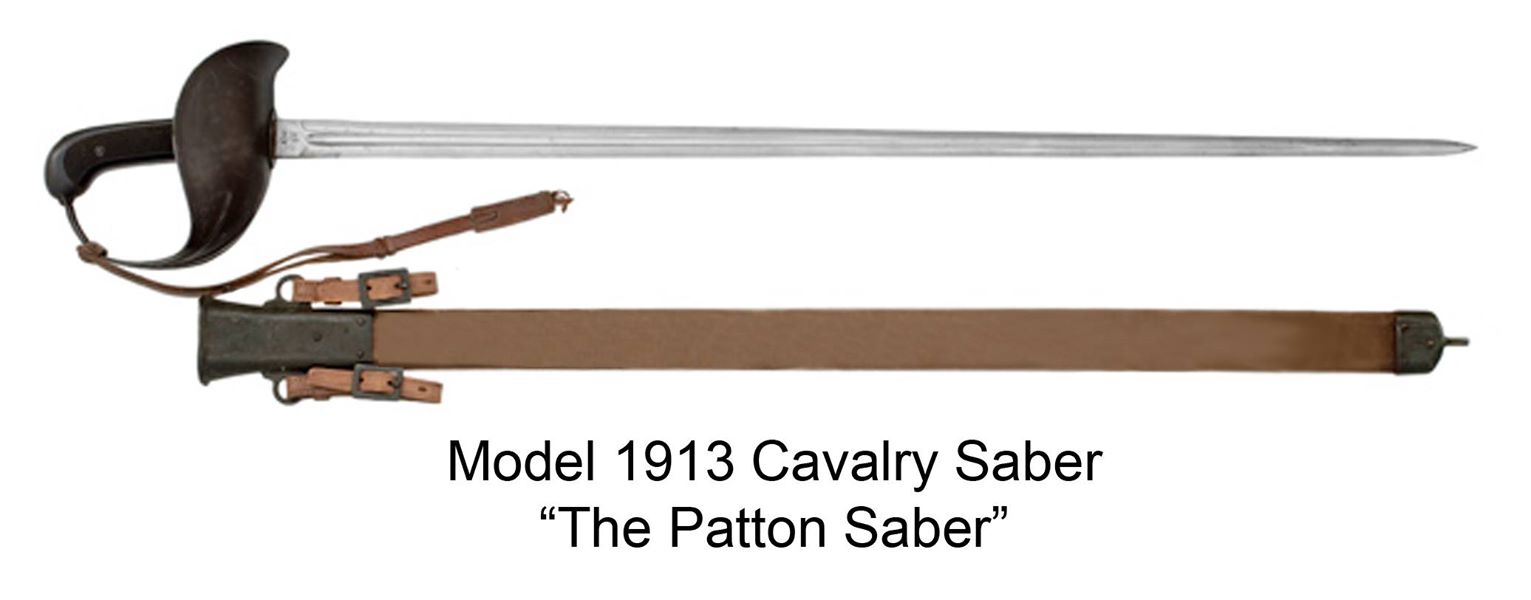
Source date (UTC): 2018-09-22 15:07:00 UTC
-
photos_and_videos/TimelinePhotos_SxeO6JU-xg/42292003_10156655183882264_340599171
photos_and_videos/TimelinePhotos_SxeO6JU-xg/42292003_10156655183882264_3405991718078644224_o_10156655183877264.jpg Gen Patton did extensive study and competition with swords, and as far as I know his mixture of saber and rapier is the final word on the matter if for no other reason than we don’t chop while riding on horses any longer. I have used foil, rapier, and saber and while one can exert more force with a saber, the rapier, it’s length, and it’s double edge simply mean that opponents are kept at a distance, and you are much, much faster than they are. The basic utility of the Machete, Saxon, Bowie are fantastic, but they are closer ranged weapons than the fast sword. While we all love our longswords they are primarily for use against armor, and gave way to harder metal with faster swords upon the arrival of gunpowder. And the saber was eventually replaced by a second pistol when soldiers could afford it.
Why? Well, i see a lot of knife and machete fights in the world thanks to the ubiquity of smart phones. Apparently no one in the third world has learned two fight with swords.Sascha Alexander GünterGood Swords are expensive, machetes are notSep 22, 2018, 3:14 PMDaniel Roland AndersonI thumbed through an old book on the lethality of edged weapons when I was a teenager. The officer that compiled the work noted that slash-type wounds, however gruesome, were far less lethal than stab-type wounds that managed to penetrate even a few inches.
This design fits with the lethality analysis.
Now, the analysis changes with knives if the Martial Blade Concepts people are correct, and a “stop” with a knife means severing nerves and tendons of an opponent and is less concerned with lethality.
Slashing/cutting is more important to immobilize an opponent at close range.
Makes sense.Sep 22, 2018, 3:14 PMSascha Alexander GünterMe personally, i like my katana. The edge is much harder than most swords, so it doesnt dull. I use it to shave, so its kinda important to have good edge retentionSep 22, 2018, 3:15 PMCroib MagaSaying “long swords are primarily for use against armor” is a lot like saying “paint was made primarily for use on canvas.”
Long swords spanned a long time and had many different roles, and the majority of material instructing their use is intended for unarmored combat.Sep 22, 2018, 3:18 PMSascha Alexander GünterIn the end, swords are just sharp edged metal rods. Nothing magic about that. There are heavy ones, light, short, long, curved, straight ones….
But yea. Id prefer a long and light one.Sep 22, 2018, 3:21 PMCurt Doolittlewhy were they replaced?Sep 22, 2018, 3:28 PMCurt DoolittleThe problem with light and fast is getting from bronze, to iron, to poor steel to crucible steel.Sep 22, 2018, 3:47 PMCroib MagaThey were difficult to construct and required much more specialized bladesmiths, and were a relic of an era where military combat and civilian combat resembled each other. Changing attitudes about aesthetics, shaped by every facet of that looooooong ass 16th century. Even then, hard bitten longsword guys held on into the 17th century, ie George Silver.Sep 22, 2018, 4:05 PMGuido TomassiniSwords are useless against armour (except gambeson), they were used as a secondary/self defence weapon, where people wasn’t wearing protection. In the battlefield one would use a spear, hammer, axe, etc.
And about the post, do not forget that those machetes and knifes come from China or other industrial places, the third world can’t even make their own weapons.Sep 22, 2018, 4:11 PMCroib MagaThe longsword intended for armored combat (plates, that is) often had a diamond cross section and were pretty stiff, made even stiffer by gripping the sword halfway down the blade. These swords were also very tapered to find areas protected by mailled and used to stab those areas, even pop apart links if possible.
“Swords are useless against armor”
That is a blanket statement that ignores the many different kinds of swords intended for use against armor.Sep 22, 2018, 4:12 PMGuido TomassiniWell, yes, it’s an overstatement, but the fact is that if you want to kill someone in armour, even a one handed hammer is way better than any sword.Sep 22, 2018, 4:15 PMCroib MagaTo answer your question precisely, Curt, each of their roles were eventually and slowly filled by other weapons that could do the respective jobs better.Sep 22, 2018, 4:16 PMCroib MagaIf we were cap a pie in 1400 armor, I had an Oakeshotte type XVIII, and you had a ball peen, I would kill you so goddamn fastSep 22, 2018, 4:18 PMGarioch MacYoostingreat observationsSep 22, 2018, 4:39 PMAlton R. Hughes IIhttps://m.youtube.com/watch?v=9qJBGlChcXUSep 22, 2018, 5:22 PMEric BumpusDo you watch “forged in fire”? Great show!Sep 22, 2018, 5:43 PMBill JoslinLearned this when living in the bush with a large population of feral dogs.
Swiping, swinging (slicing, chopping for an edged weapon) is easily anticipated and avoided.
Once the swing passes there is opportunity to pounce.
In short, don’t swing at an animal like you’re holding a bat, poke at them. It drives them back and you can easily “recharge” for the next “poke”. I expect this would be true for edge weapons too.Sep 22, 2018, 8:13 PMDaniel Roland AndersonWhich is why a decent spearman is likely to give a great swordsman a very bad time.Sep 22, 2018, 9:19 PMJared NeavesI had a heated discussion with someone when they assumed a rapier was better than a quarter staffSep 22, 2018, 9:49 PMKevin CoxWhich is why the sewing machine technique is so ubiquitous in prisons. Rapid series of straight forward thrusting stabs are very deadly and extremely difficult to counter.Sep 22, 2018, 10:10 PMChip SillsQuarter staff longer, can poke, bash and pivot quickly end for end.Sep 23, 2018, 5:57 AMBrad JordanYeah this is why the pike was the epitome of melee combat. Control your opponents, control the outcome.Sep 23, 2018, 6:13 AMBrad Jordanhttps://youtu.be/xuTU-Gby46MSep 23, 2018, 6:14 AMAaron KahlandThere was an example in a Japanese POW camp (for captured Dutch soldiers). The Japanese claimed to the Dutch that Samurai sword fighting techniques were superior to those of European. In the camp was a Dutch sword fighting champion. The Japanese put their best samurai-technique master against him.
The Dutchman obliterated the Samurai and the Japanese were forever silent on the subject thereafter.Sep 23, 2018, 6:47 AMJared NeavesChip Sills also considerably more lethal. There is a book that I can’t remember the name of atm that was written by a duelling contemporary that discussed the poor lethality of holes poked by rapiers compared to a good old fashioned bludgeoning or compared to a blow with a heavier edged sword that can deprive a man of his whole limb in one go.Sep 23, 2018, 7:46 AMMark FuhrmanA calvary sword is best used as a slashing weapon.Sep 23, 2018, 10:06 AMJim WaltersRead the works of Sykes, Applegate and Fairbairn have you? Amazing amount of knife fighting and back alley street fighting can be learned from them.Sep 23, 2018, 11:23 AMJim WaltersCheck out the 1917 Indian Calvary Saber made by Cold Steel. It has all the features one would want on a modern fighting swordSep 23, 2018, 11:25 AMDaniel Roland AndersonSome. Classic stuff.Sep 23, 2018, 11:39 AMCurt DoolittleYep. that’s about as good as it gets.Sep 23, 2018, 12:00 PMCurt DoolittleI should have made the point in the OP that sabers are better for warfare (multiple enemies) and rapiers are better for one on one (duels), since while longer and faster, it’s a harder to use as a shield because it’s harder to create an area of control other than at the point of the sword. That said, recent example of a poke taking out an opponent in ten seconds is circulating on the internet, and there are hundreds of deep machete cuts that people survive.Sep 23, 2018, 12:03 PMGarioch MacYoostinYou may laugh but my fighting blade is a barong.You can stab and slash with it and really its a secondary weapon anyway.Sep 23, 2018, 12:05 PMBill Joslinhttps://youtu.be/afqhBODc_8USep 23, 2018, 1:00 PMNoah J Revoyhttps://www.youtube.com/watch?v=Y3Wj6S2xE-gSep 24, 2018, 4:29 AMJames SantagataI am addicted to Filipino knife and machete fights on Youtube, with a post-mortem breakdown by a Kali instructor. Mexico and China have some as well but more human wave attack stuff.Sep 24, 2018, 6:41 AMAntonio E LoureiroCool, is there a link about it?Sep 24, 2018, 8:02 AMBrad JordanLloyd is great.Sep 25, 2018, 2:03 AMJared Neaveshttps://www.quora.com/Who-would-win-a-samurai-with-a-katana-or-the-European-swordsman-with-a-rapier?share=1Sep 27, 2018, 5:01 AMJared NeavesI really don’t believe a rapier is a good lethal weapon.Sep 27, 2018, 5:01 AMGen Patton did extensive study and competition with swords, and as far as I know his mixture of saber and rapier is the final word on the matter if for no other reason than we don’t chop while riding on horses any longer. I have used foil, rapier, and saber and while one can exert more force with a saber, the rapier, it’s length, and it’s double edge simply mean that opponents are kept at a distance, and you are much, much faster than they are. The basic utility of the Machete, Saxon, Bowie are fantastic, but they are closer ranged weapons than the fast sword. While we all love our longswords they are primarily for use against armor, and gave way to harder metal with faster swords upon the arrival of gunpowder. And the saber was eventually replaced by a second pistol when soldiers could afford it.
Why? Well, i see a lot of knife and machete fights in the world thanks to the ubiquity of smart phones. Apparently no one in the third world has learned two fight with swords.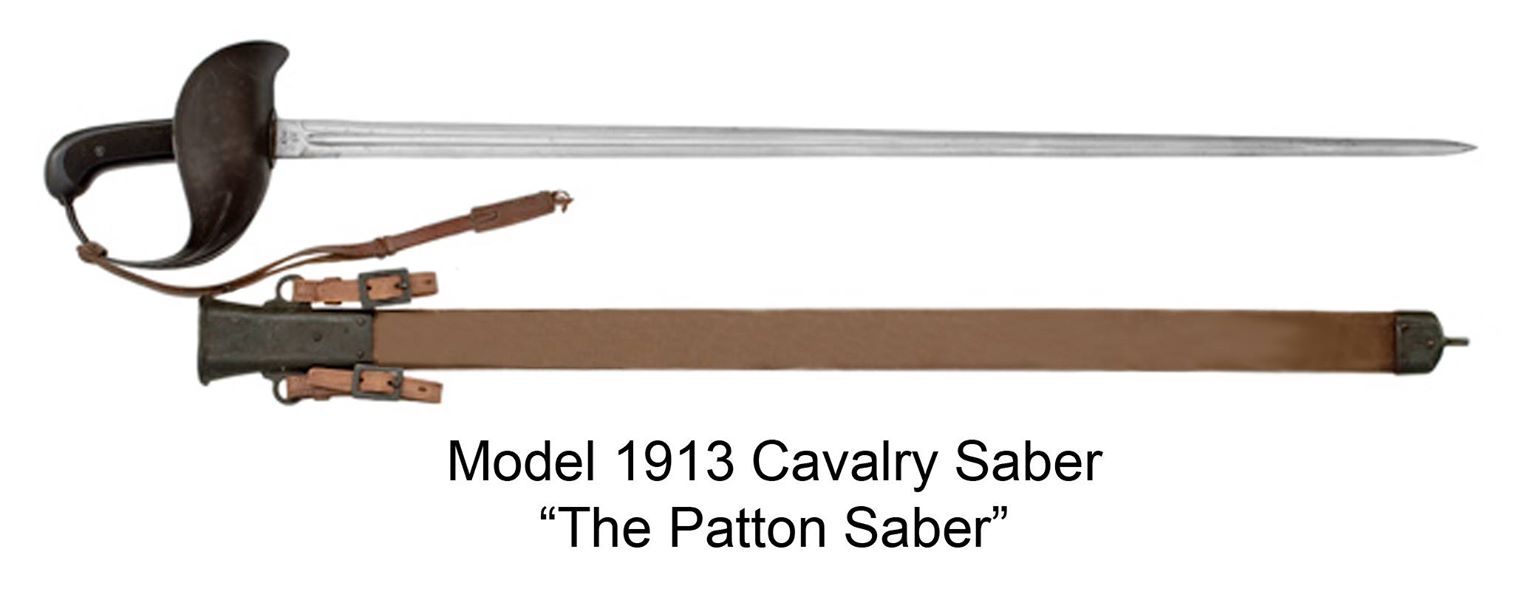
Source date (UTC): 2018-09-22 15:07:00 UTC
-
photos_and_videos/TimelinePhotos_43196237263/42292003_10156655183882264_34059917
photos_and_videos/TimelinePhotos_43196237263/42292003_10156655183882264_3405991718078644224_o_10156655183877264.jpg Gen Patton did extensive study and competition with swords, and as far as I know his mixture of saber and rapier is the final word on the matter if for no other reason than we don’t chop while riding on horses any longer. I have used foil, rapier, and saber and while one can exert more force with a saber, the rapier, it’s length, and it’s double edge simply mean that opponents are kept at a distance, and you are much, much faster than they are. The basic utility of the Machete, Saxon, Bowie are fantastic, but they are closer ranged weapons than the fast sword. While we all love our longswords they are primarily for use against armor, and gave way to harder metal with faster swords upon the arrival of gunpowder. And the saber was eventually replaced by a second pistol when soldiers could afford it.
Why? Well, i see a lot of knife and machete fights in the world thanks to the ubiquity of smart phones. Apparently no one in the third world has learned two fight with swords.Sascha Alexander GünterGood Swords are expensive, machetes are notSep 22, 2018 3:14pmDaniel Roland AndersonI thumbed through an old book on the lethality of edged weapons when I was a teenager. The officer that compiled the work noted that slash-type wounds, however gruesome, were far less lethal than stab-type wounds that managed to penetrate even a few inches.
This design fits with the lethality analysis.
Now, the analysis changes with knives if the Martial Blade Concepts people are correct, and a “stop” with a knife means severing nerves and tendons of an opponent and is less concerned with lethality.
Slashing/cutting is more important to immobilize an opponent at close range.
Makes sense.Sep 22, 2018 3:14pmSascha Alexander GünterMe personally, i like my katana. The edge is much harder than most swords, so it doesnt dull. I use it to shave, so its kinda important to have good edge retentionSep 22, 2018 3:15pmCroib MagaSaying “long swords are primarily for use against armor” is a lot like saying “paint was made primarily for use on canvas.”
Long swords spanned a long time and had many different roles, and the majority of material instructing their use is intended for unarmored combat.Sep 22, 2018 3:18pmSascha Alexander GünterIn the end, swords are just sharp edged metal rods. Nothing magic about that. There are heavy ones, light, short, long, curved, straight ones….
But yea. Id prefer a long and light one.Sep 22, 2018 3:21pmCurt Doolittlewhy were they replaced?Sep 22, 2018 3:28pmCurt DoolittleThe problem with light and fast is getting from bronze, to iron, to poor steel to crucible steel.Sep 22, 2018 3:47pmCroib MagaThey were difficult to construct and required much more specialized bladesmiths, and were a relic of an era where military combat and civilian combat resembled each other. Changing attitudes about aesthetics, shaped by every facet of that looooooong ass 16th century. Even then, hard bitten longsword guys held on into the 17th century, ie George Silver.Sep 22, 2018 4:05pmGuido TomassiniSwords are useless against armour (except gambeson), they were used as a secondary/self defence weapon, where people wasn’t wearing protection. In the battlefield one would use a spear, hammer, axe, etc.
And about the post, do not forget that those machetes and knifes come from China or other industrial places, the third world can’t even make their own weapons.Sep 22, 2018 4:11pmCroib MagaThe longsword intended for armored combat (plates, that is) often had a diamond cross section and were pretty stiff, made even stiffer by gripping the sword halfway down the blade. These swords were also very tapered to find areas protected by mailled and used to stab those areas, even pop apart links if possible.
“Swords are useless against armor”
That is a blanket statement that ignores the many different kinds of swords intended for use against armor.Sep 22, 2018 4:12pmGuido TomassiniWell, yes, it’s an overstatement, but the fact is that if you want to kill someone in armour, even a one handed hammer is way better than any sword.Sep 22, 2018 4:15pmCroib MagaTo answer your question precisely, Curt, each of their roles were eventually and slowly filled by other weapons that could do the respective jobs better.Sep 22, 2018 4:16pmCroib MagaIf we were cap a pie in 1400 armor, I had an Oakeshotte type XVIII, and you had a ball peen, I would kill you so goddamn fastSep 22, 2018 4:18pmGarioch MacYoostingreat observationsSep 22, 2018 4:39pmAlton R. Hughes IIhttps://m.youtube.com/watch?v=9qJBGlChcXUSep 22, 2018 5:22pmEric BumpusDo you watch “forged in fire”? Great show!Sep 22, 2018 5:43pmBill JoslinLearned this when living in the bush with a large population of feral dogs.
Swiping, swinging (slicing, chopping for an edged weapon) is easily anticipated and avoided.
Once the swing passes there is opportunity to pounce.
In short, don’t swing at an animal like you’re holding a bat, poke at them. It drives them back and you can easily “recharge” for the next “poke”. I expect this would be true for edge weapons too.Sep 22, 2018 8:13pmDaniel Roland AndersonWhich is why a decent spearman is likely to give a great swordsman a very bad time.Sep 22, 2018 9:19pmJared NeavesI had a heated discussion with someone when they assumed a rapier was better than a quarter staffSep 22, 2018 9:49pmKevin CoxWhich is why the sewing machine technique is so ubiquitous in prisons. Rapid series of straight forward thrusting stabs are very deadly and extremely difficult to counter.Sep 22, 2018 10:10pmChip SillsQuarter staff longer, can poke, bash and pivot quickly end for end.Sep 23, 2018 5:57amBrad JordanYeah this is why the pike was the epitome of melee combat. Control your opponents, control the outcome.Sep 23, 2018 6:13amBrad Jordanhttps://youtu.be/xuTU-Gby46MSep 23, 2018 6:14amAaron KahlandThere was an example in a Japanese POW camp (for captured Dutch soldiers). The Japanese claimed to the Dutch that Samurai sword fighting techniques were superior to those of European. In the camp was a Dutch sword fighting champion. The Japanese put their best samurai-technique master against him.
The Dutchman obliterated the Samurai and the Japanese were forever silent on the subject thereafter.Sep 23, 2018 6:47amJared Neaves@[1532420023:2048:Chip Sills] also considerably more lethal. There is a book that I can’t remember the name of atm that was written by a duelling contemporary that discussed the poor lethality of holes poked by rapiers compared to a good old fashioned bludgeoning or compared to a blow with a heavier edged sword that can deprive a man of his whole limb in one go.Sep 23, 2018 7:46amMark FuhrmanA calvary sword is best used as a slashing weapon.Sep 23, 2018 10:06amJim WaltersRead the works of Sykes, Applegate and Fairbairn have you? Amazing amount of knife fighting and back alley street fighting can be learned from them.Sep 23, 2018 11:23amJim WaltersCheck out the 1917 Indian Calvary Saber made by Cold Steel. It has all the features one would want on a modern fighting swordSep 23, 2018 11:25amDaniel Roland AndersonSome. Classic stuff.Sep 23, 2018 11:39amCurt DoolittleYep. that’s about as good as it gets.Sep 23, 2018 12:00pmCurt DoolittleI should have made the point in the OP that sabers are better for warfare (multiple enemies) and rapiers are better for one on one (duels), since while longer and faster, it’s a harder to use as a shield because it’s harder to create an area of control other than at the point of the sword. That said, recent example of a poke taking out an opponent in ten seconds is circulating on the internet, and there are hundreds of deep machete cuts that people survive.Sep 23, 2018 12:03pmGarioch MacYoostinYou may laugh but my fighting blade is a barong.You can stab and slash with it and really its a secondary weapon anyway.Sep 23, 2018 12:05pmBill Joslinhttps://youtu.be/afqhBODc_8USep 23, 2018 1:00pmNoah J Revoyhttps://www.youtube.com/watch?v=Y3Wj6S2xE-gSep 24, 2018 4:29amJames SantagataI am addicted to Filipino knife and machete fights on Youtube, with a post-mortem breakdown by a Kali instructor. Mexico and China have some as well but more human wave attack stuff.Sep 24, 2018 6:41amAntonio E LoureiroCool, is there a link about it?Sep 24, 2018 8:02amBrad JordanLloyd is great.Sep 25, 2018 2:03amJared Neaveshttps://www.quora.com/Who-would-win-a-samurai-with-a-katana-or-the-European-swordsman-with-a-rapier?share=1Sep 27, 2018 5:01amJared NeavesI really don’t believe a rapier is a good lethal weapon.Sep 27, 2018 5:01amGen Patton did extensive study and competition with swords, and as far as I know his mixture of saber and rapier is the final word on the matter if for no other reason than we don’t chop while riding on horses any longer. I have used foil, rapier, and saber and while one can exert more force with a saber, the rapier, it’s length, and it’s double edge simply mean that opponents are kept at a distance, and you are much, much faster than they are. The basic utility of the Machete, Saxon, Bowie are fantastic, but they are closer ranged weapons than the fast sword. While we all love our longswords they are primarily for use against armor, and gave way to harder metal with faster swords upon the arrival of gunpowder. And the saber was eventually replaced by a second pistol when soldiers could afford it.
Why? Well, i see a lot of knife and machete fights in the world thanks to the ubiquity of smart phones. Apparently no one in the third world has learned two fight with swords.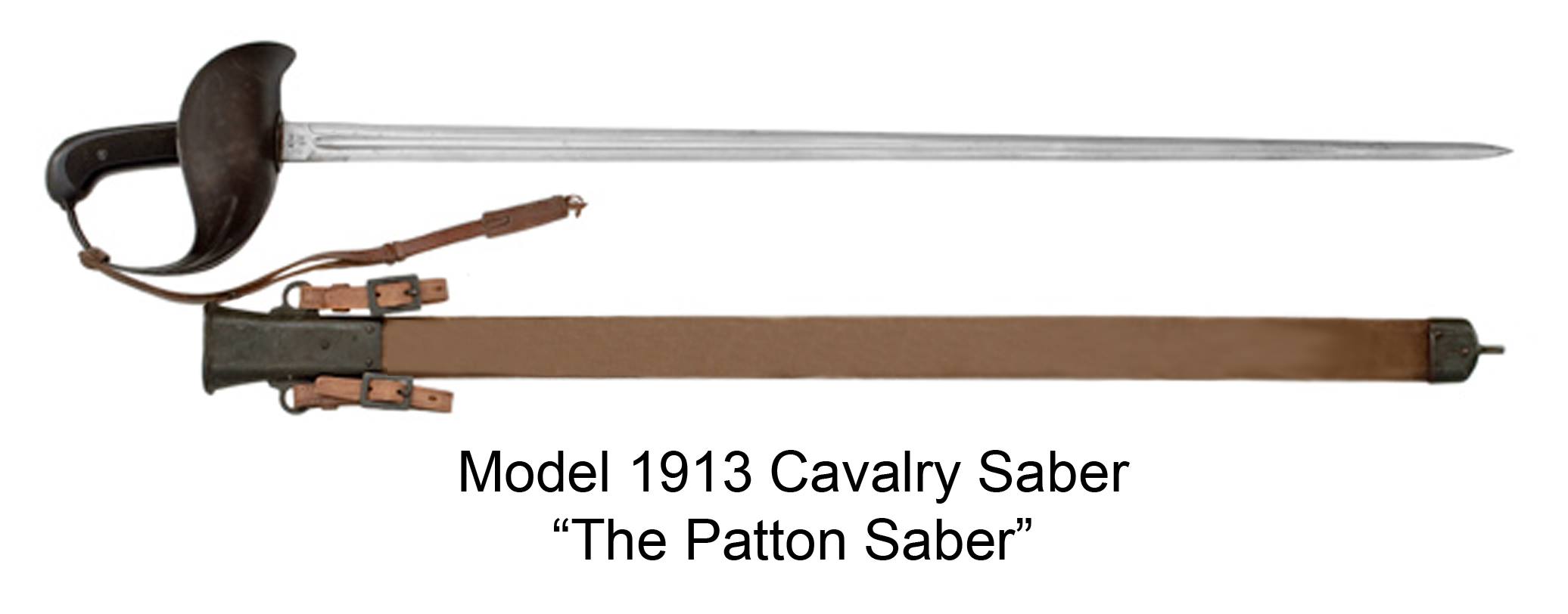
Source date (UTC): 2018-09-22 15:07:00 UTC
-
photos_and_videos/TimelinePhotos_SxeO6JU-xg/42345150_10156655144047264_775909793
photos_and_videos/TimelinePhotos_SxeO6JU-xg/42345150_10156655144047264_7759097933370228736_o_10156655144042264.jpg Note that all groups are split other than homo sapiens.
There are at least three and arguably four species of homo sapiens.
There was a movement to group humans and chimpanzees but chimps and bonobos can interbreed, and Europeans, East asians, and africans can interbreed.Jamie RobinsonI say theres 3 and a missing link, but scientist dont want to talk…..Sep 22, 2018, 4:04 PMBrandon Beej JohnsonI think the races are more the result of interbreeding with other hominids resulting in hybrid species than they are totally other races naturally divergent from a single stock of homo sapiens.
This is supported by the presence of genetic admixtures of other hominids in different racial groups.
The negroid, for example, I believe gets it’s distinct differences from the rest of humans because that portion of sapiens mixed with hiedelbergensis, erectus, and an unknown variant of erectus, primitive hominids with smaller brains and darker features adapted to sub-saharan africa.Sep 22, 2018, 4:33 PMMatthew GenackThere needs to be much more research in this area.Sep 22, 2018, 6:41 PMJohn MarkNothing scares a leftist more than the truth.Sep 25, 2018, 11:06 AMNote that all groups are split other than homo sapiens.
There are at least three and arguably four species of homo sapiens.
There was a movement to group humans and chimpanzees but chimps and bonobos can interbreed, and Europeans, East asians, and africans can interbreed.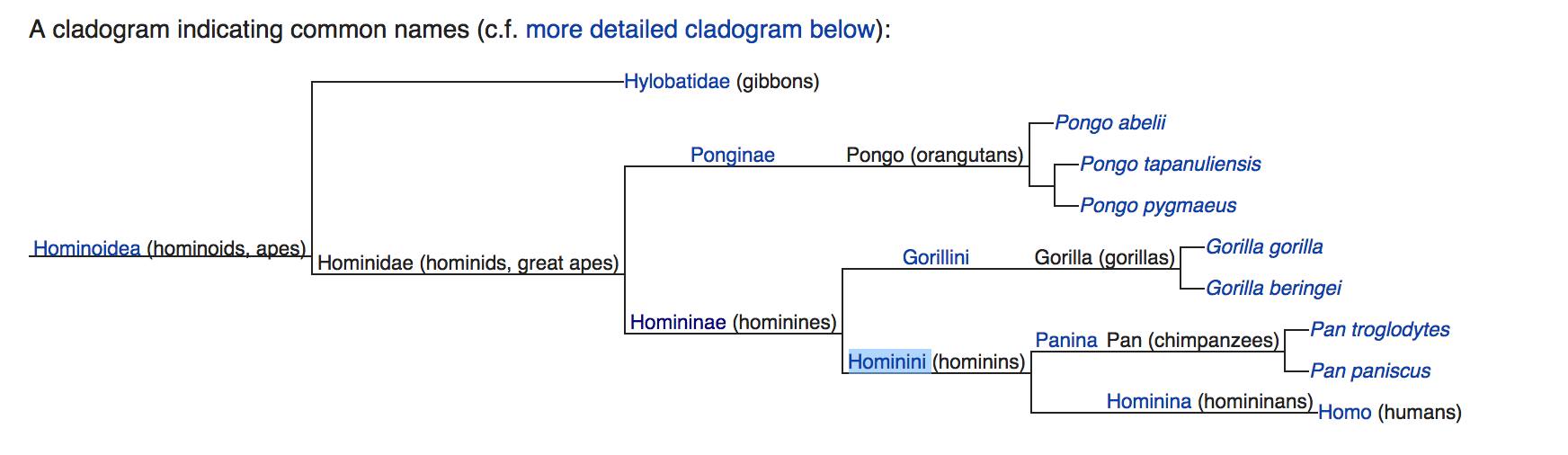
Source date (UTC): 2018-09-22 13:44:00 UTC
-
photos_and_videos/TimelinePhotos_SxeO6JU-xg/42345150_10156655144047264_775909793
photos_and_videos/TimelinePhotos_SxeO6JU-xg/42345150_10156655144047264_7759097933370228736_o_10156655144042264.jpg Note that all groups are split other than homo sapiens.
There are at least three and arguably four species of homo sapiens.
There was a movement to group humans and chimpanzees but chimps and bonobos can interbreed, and Europeans, East asians, and africans can interbreed.Jamie RobinsonI say theres 3 and a missing link, but scientist dont want to talk…..Sep 22, 2018, 4:04 PMBrandon Beej JohnsonI think the races are more the result of interbreeding with other hominids resulting in hybrid species than they are totally other races naturally divergent from a single stock of homo sapiens.
This is supported by the presence of genetic admixtures of other hominids in different racial groups.
The negroid, for example, I believe gets it’s distinct differences from the rest of humans because that portion of sapiens mixed with hiedelbergensis, erectus, and an unknown variant of erectus, primitive hominids with smaller brains and darker features adapted to sub-saharan africa.Sep 22, 2018, 4:33 PMMatthew GenackThere needs to be much more research in this area.Sep 22, 2018, 6:41 PMJim WaltersHave you all heard these commercials stating we are all 98% the same? Well we share about 50% of our DNA with a banana. Does that make the banana family too?Sep 23, 2018, 11:37 AMJohn MarkNothing scares a leftist more than the truth.Sep 25, 2018, 11:06 AMNote that all groups are split other than homo sapiens.
There are at least three and arguably four species of homo sapiens.
There was a movement to group humans and chimpanzees but chimps and bonobos can interbreed, and Europeans, East asians, and africans can interbreed.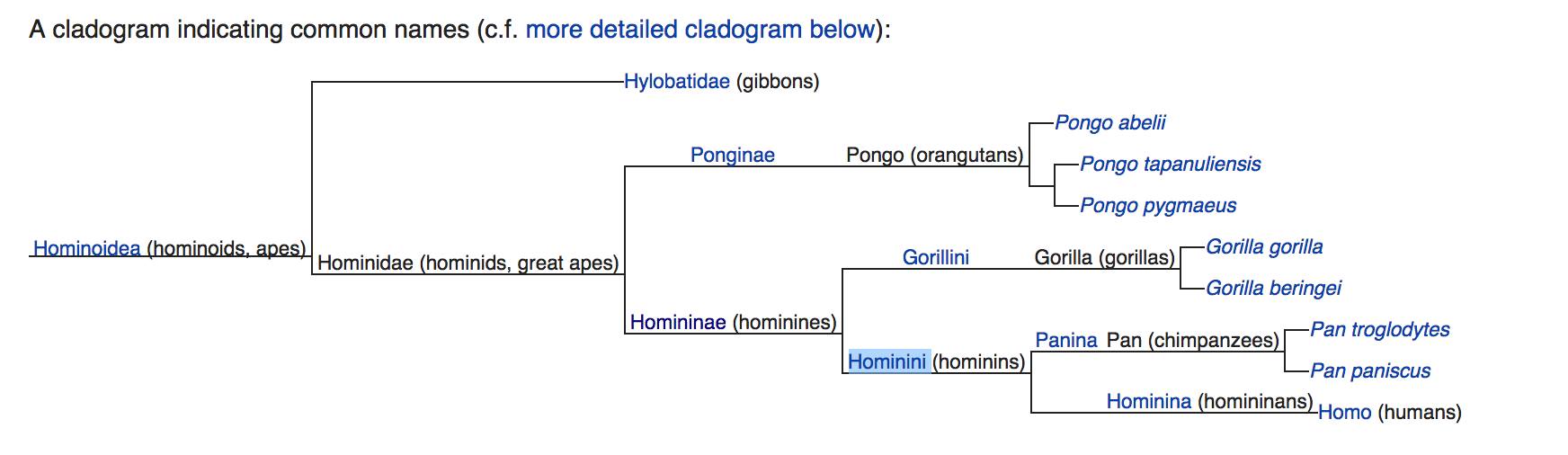
Source date (UTC): 2018-09-22 13:44:00 UTC