Definition: Agency – the Pursuit of Omnimindfulness, Omniscience, and Omnipotence https://t.co/KJaG5GOhoH
Source: Original Site Post
-
Definition: Agency – the Pursuit of Omnimindfulness, Omniscience, and Omnipotence
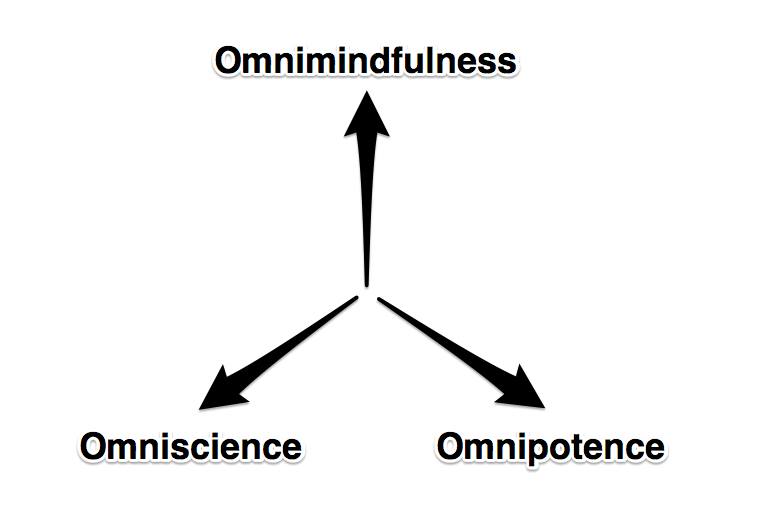
DEFINITION: AGENCY – THE PURSUIT OF OMNIMINDFULNESS, OMNISCIENCE, AND OMNIPOTENCE 1) Agency: I chose agency(action, will) to correspond with truth(words, knowledge) – because no matter how much you have, you can always have more, until you are omnipotent (agency) and omniscient (knowledge). 2) Agency: In social science, agency is the capacity of individuals to act independently and to make their own free choices. 3) Agency over the self (mindfulness), Agency in knowledge, agency in action, and agency in relation to others and obstacles. My job is to reform thought by increasing precision using disambiguation, serialization, operational language. Not to excuse the existing imprecision of thought. That requires disambiguation and increased definition of terms most of the time, frequently requires redefinition of terms whenever possible, and neologisms as a last resort. You cannot measure many things by other than themselves (triangulation). Art being the best example. But agency being another. Brain death on one end, and omniscience and omnipotence on the other don’t provide us with a useful measure. We can only measure omnimindfulness, omniscience, and omnipotence by triangulation and serialization.
-
Definition: Agency – the Pursuit of Omnimindfulness, Omniscience, and Omnipotence
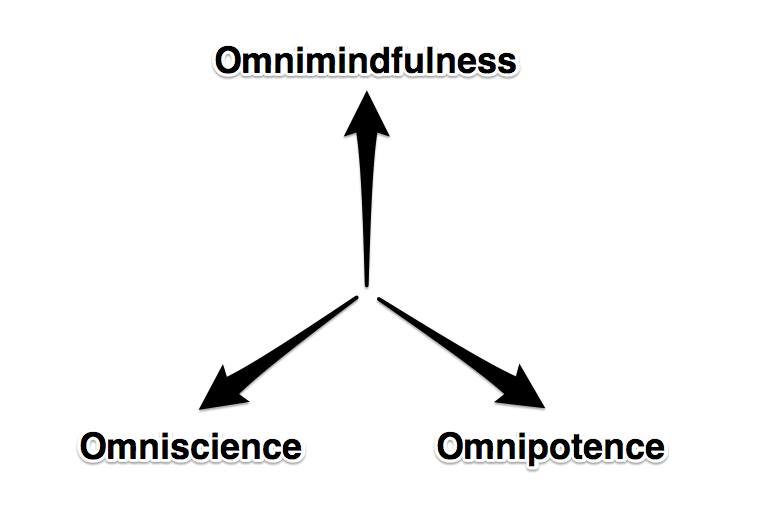
DEFINITION: AGENCY – THE PURSUIT OF OMNIMINDFULNESS, OMNISCIENCE, AND OMNIPOTENCE 1) Agency: I chose agency(action, will) to correspond with truth(words, knowledge) – because no matter how much you have, you can always have more, until you are omnipotent (agency) and omniscient (knowledge). 2) Agency: In social science, agency is the capacity of individuals to act independently and to make their own free choices. 3) Agency over the self (mindfulness), Agency in knowledge, agency in action, and agency in relation to others and obstacles. My job is to reform thought by increasing precision using disambiguation, serialization, operational language. Not to excuse the existing imprecision of thought. That requires disambiguation and increased definition of terms most of the time, frequently requires redefinition of terms whenever possible, and neologisms as a last resort. You cannot measure many things by other than themselves (triangulation). Art being the best example. But agency being another. Brain death on one end, and omniscience and omnipotence on the other don’t provide us with a useful measure. We can only measure omnimindfulness, omniscience, and omnipotence by triangulation and serialization.
-
My job is to reform thought
My job is to reform thought https://t.co/A07OPWohi1
-
My job is to reform thought
(worth repeating) My job is to reform thought by increasing precision using disambiguation, serialization, operational language. Not to excuse the existing imprecision of thought. That frequently requires re-definition of terms whenever possible, and neologisms as a last resort.
-
My job is to reform thought
(worth repeating) My job is to reform thought by increasing precision using disambiguation, serialization, operational language. Not to excuse the existing imprecision of thought. That frequently requires re-definition of terms whenever possible, and neologisms as a last resort.
-
Producing Measurements by Triangulation
Producing Measurements by Triangulation https://t.co/SdvAjZxT9U
-
Producing Measurements by Triangulation
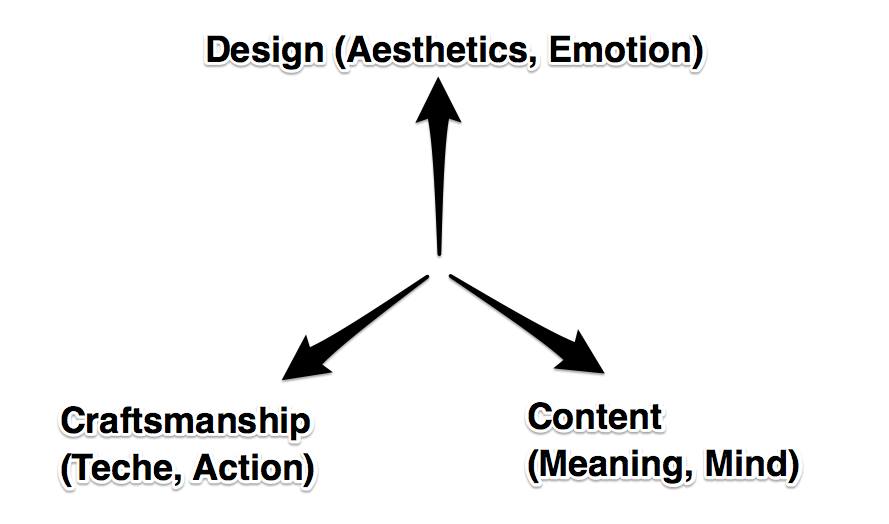
Triangulation. It’s the same process as disambiguation by Serialization and operationalization. Use of adversarial competition to rank by one or more dimensions. Art is the best example of something we presume can’t be objectively measured. But we can judge almost anything by the accumulated excellence of human actions: caloric content (more dependencies is better). Take an art movement. Take the examples of that movement. analyze and rank by craftsmanship(construction, technique, materials), design(aesthetics, composition, light, color, texture, ), meaning (content, simple content to high content). Compare the ultimate achievements of that movement with those that were less so. Order them – this is triangulation. “Where does this fit between what other two?” You will notice that the progression is not linear but logarithmic, with many adequate pieces and few superior. You now have an ordinal if logarithmically scaling measure if not a cardinal and linear measure. Keep adding artworks until because of marginal indifference, you must categorize groups instead of stacking individual pieces. Now those categories produce a cardinal measure. Repeat for all art movements. Then stack those movements. You now have a metric for judging pieces (three dimensions), categories (one or three dimensions), and movements (one or three dimensions). Art is the hardest thing I know of, but the triangulation is how the brain works internally, so … well, there you go.
-
Producing Measurements by Triangulation
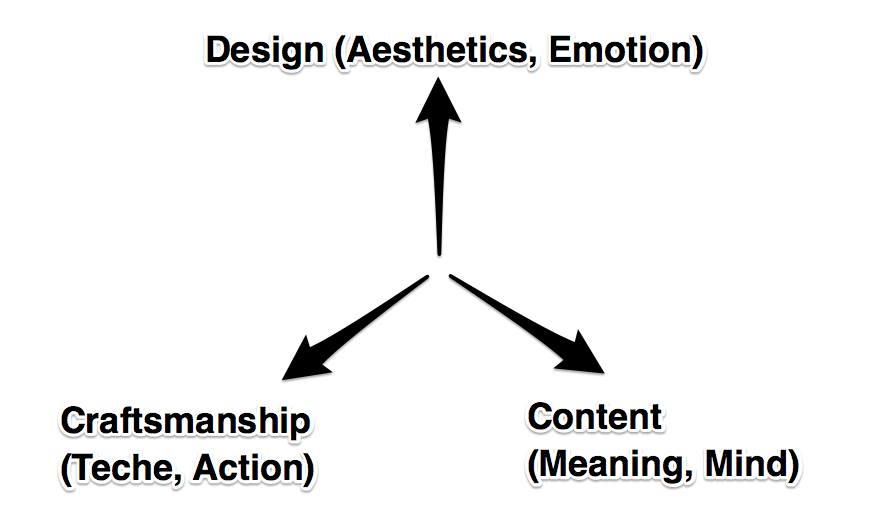
Triangulation. It’s the same process as disambiguation by Serialization and operationalization. Use of adversarial competition to rank by one or more dimensions. Art is the best example of something we presume can’t be objectively measured. But we can judge almost anything by the accumulated excellence of human actions: caloric content (more dependencies is better). Take an art movement. Take the examples of that movement. analyze and rank by craftsmanship(construction, technique, materials), design(aesthetics, composition, light, color, texture, ), meaning (content, simple content to high content). Compare the ultimate achievements of that movement with those that were less so. Order them – this is triangulation. “Where does this fit between what other two?” You will notice that the progression is not linear but logarithmic, with many adequate pieces and few superior. You now have an ordinal if logarithmically scaling measure if not a cardinal and linear measure. Keep adding artworks until because of marginal indifference, you must categorize groups instead of stacking individual pieces. Now those categories produce a cardinal measure. Repeat for all art movements. Then stack those movements. You now have a metric for judging pieces (three dimensions), categories (one or three dimensions), and movements (one or three dimensions). Art is the hardest thing I know of, but the triangulation is how the brain works internally, so … well, there you go.
-
Unite Behind Reforms Not Complaints
Unite Behind Reforms Not Complaints https://t.co/vfzBkPkUUR