September 24th, 2018 6:24 AM
U.S. President Donald Trump’s critics these days led by Anonymous, author of a New York Times op-ed and Bob Woodward, author of a new Trump book accuse him of being an erratic, unpredictable leaderwho inhabits an alternate universe that will destroy the economy, end the Western alliance and start World War III.
What planet do these critics inhabit? There has never been a more predictable, more steadfast or more constant president than Donald J. Trump. In public policy, he is the gold standard in staying the course.
In trade, Trump said he’d get out of TPP, the Trans-Pacific Partnership, and he did. He said he’d re-negotiate NAFTA and he’s doing it. He said he’d impose tariffs on any country that didn’t agree to his terms and he has.
Lawrence Solomon: Trudeau’s escape from Trump’s trade trap is calling a snap election
William Watson: Is Trump rational? Unfortunately for Canada, the answer is yes.
Lawrence Solomon: Trump just unveiled the new trade world order. Canada not included
In the economy Trump said he’d cut taxes and he did, in spades with the first major tax reform bill in 30 years. He said heâd lower the unemployment rate and it’s now down to levels not seen in decades, while reaching historic lows for minorities. He said he’d bring back manufacturing plants and they’re coming back and without the “magic wand” former president Barack Obama mockingly said he’d need. He said he’d achieve four-per-cent economic growth and in the last quarter it reached 4.2 per cent. He said he’d cut red tape and he has. 860 regulatory actions have been scrapped or shelved since he became president, making him the biggest deregulator of all time.
In foreign policy Trump said he’d rebuild the military and he’s doing it through a massive funding bill he got through Congress. He said he’d recognize Jerusalem as the capital of Israel and he has. He said he’d demolish ISIS and he’s doing it. He said he’d tear up the Iran nuclear deal and he did. He said he’d quit the Paris climate accord and he has.
In domestic policy Trump said heâd appoint conservative judges to the Supreme Court and lower courts and he has, setting records for his number of appointments in the process. He said heâd approve the Keystone XL pipeline and he did. He said heâd repeal and replace Obamacare and heâs been doing it, step by step. He said heâd repeal Net Neutrality and he did. He said heâd work to get the black vote and he has â the latest Rasmussen poll shows him with 36-per-cent approval among likely black voters, compared to the eight per cent who voted for him in 2016.
Critics mistake his tactics, which are short-term and subject to change, for his strategy
In immigration he said heâd impose a travel ban; when he initially failed he tried again, and then again, until finally the Supreme Court sided with him. He said he wanted to reduce the flow of illegal immigrants and he initially did, and now that they have risen again heâs trying again. He said heâd build a wall on Americaâs southern border and, though heâs been mostly stymied to date, heâs trying and trying again there, too.
Trumpâs predictability can best be seen by his formal record in keeping promises. By the end of his first year, according to the Heritage Foundation, he had kept a stunning 64 per cent of the 334 promises made in his Mandate for Leadership pledge. Criticize him for his policies or his personality or his hair â that would be defensible. Criticize him for being unhinged and unpredictable in executing his policies and youâre the one who needs a checkup.
In one sense, Trump truly is unpredictable: He thinks outside the box, making him unpredictable to those without imagination, and unsuccessful to those who lack the equanimity and magnanimity to step back and grant him his policy achievements. Calling North Korean leader Kim âRocket Manâ one day and lavishing him with praise another isnât being unpredictable, itâs keeping your eye on the ball, which is to get Kim to the negotiating table to achieve denuclearization on the Korean peninsula.
Trumpâs critics mistake his tactics, which are short-term and subject to change, for his strategy â getting to the long-term deals that heâs after. Heâll threaten a country with tariffs, then zig with an offer to negotiate, then zag by threatening it with doubled tariffs, all with the ultimate end in mind. Or heâll publicly browbeat his military allies, threatening to end treaties, and using trade relations as leverage, to convince them to contribute more to their own defence, and to the common defence of the free world. These tactics may be diplomatic no-nos, but they succeeded, and in short order, in contrast to the decades of failure endured by Trumpâs White House predecessors. If itâs unpresidential to keep America safe and return it to prosperity, America can use more unpresidents.
Trump isnât all over the map and the sky isnât falling. Trump is a steady hand, always down to earth, and for anyone who cares to compare his promises with his results, heâs highly predictable.
LawrenceSolomon@nextcity.com
Form: Excerpt
-
September 24th, 2018 6:24 AM U.S. President Donald Trump’s critics these days le
-
September 24th, 2018 7:02 PM A review of The Jungle Grows Back: America and our
September 24th, 2018 7:02 PM A review of The Jungle Grows Back: America and our Imperiled World by Robert Kagan. Knopf (September 2018) 192 pages. In its natural state, international relations is little more than a âjungle.â There is no umpire to ensure fair play, no global police force to punish wrongdoers, and âgood boysâ are rarely rewarded. Prevaricate or show weakness and you risk being picked off and consumed by bigger beasts. Prior to the end of the Second World War, European geopolitics was characterized by this remorseless logic. As states vied for hegemony, tens of millions were killed in war and conflict, and human tragedy and suffering were on scales almost beyond the imaginable. Today, however, we have complex forms of global economic interdependence, sets of global institutions that fuse us together and a transformed jungle that incentivize âgood boys,â as well as rules, norms and ultimately military power to make sure they remain good. How did our international jungle, an almost constant in human history, come to be so tamed? In his latest book, The Jungle Grows Back: America and our Imperiled World, Robert Kagan details the coming to power of America. After the Second World War, Great Britain, the worldâs previous hegemon, was bankrupt and the baton for world leadership passed inexorably from one great liberal democracy to another. This was a natural step, given the concentration of power into Americaâs hands. Its industrial capacity remained untouched, it possessed huge reserves of capital, it had a military power unmatched in human history and enjoyed regional hegemony across the Americas. Quite unique in history, however, and unlike previous great powers that have emerged victorious after major conflicts, America did not use this new-found power to construct a form of global imperial order that sought the decimation of the losers, territorial occupation or other forms of âbounty.â For Kagan, the architects of the post-war order sought to wed Americaâs new-found superpower to the construction of a world order that reflected the domestic values of America itself: a liberal international order. These values were universalist and sought to remake the world in Americaâs image, including a commitment to liberal democracy and human rights. More important was the self-restraint of American power within this new order. That is, the jungleâs biggest beast not only sought to reduce conflict by protecting the jungleâs lesser beasts, but also made itself subject to those same rules. Moreover, it did not try to kill off its former jungle rivals, but sought to restore them to health. This rehabilitation of Japan and Germany (East Asia and Europeâs natural hegemons) was the most âsignificant post-war revolution in international affairs,â says Kagan, as U.S. power helped transform these countries from the âambitious, autocratic, military powerhouses they had been to the pacific, democratic economic powerhouses they eventually became.â Indeed, an extraordinary form of benign hegemony. At the heart of this U.S.-led liberal post-war architecture was a quid pro quo. In return for recognizing that the U.S. was now the undisputed king of the jungle, both former enemies and its now subordinate allies would play by its rules. And while economic competition would take place (with Japan and Germany challenging U.S. economic hegemony as early as the 1970s) none would challenge the U.S. militarily or embark on military adventures of their own without permission (as the British learnt to their peril during the Suez crisis of 1956). In return, states within the U.S.-led liberal order would freely have access to U.S. markets and capital, as well as global rules and institutions to regularize political-economic interactions and a rules-based system that gave voice to weaker states and a structure to international relations. This deal also contained a security component. If you were in the âliberal clubâ you would also enjoy U.S. security protection. For Japan, this was codified within the U.S.-Japan Security Pact and for the Europeans the North Atlantic Treaty Organization (NATO). The U.S. security guarantee not only checked and contained the threat of Soviet tyranny, but also pacified geopolitics in these key regions. Japan would grow economically, but no longer militarily threaten its neighbors, which in turn helped with regional economic integration. In Europe, U.S. military power became the security pre-condition for the complex forms of political and economic interdependence built up in the post-war period, with the U.S. the key architect of European integration. Lord Hastings, NATOâs first Secretary General, famously declared that the alliance was designed to âkeep the Soviet Union out, the Americans in, and the Germans down.â Alongside these benefits, the security provided by the U.S. also allowed the Europeans to build up large welfare states, not least because they did not have to foot the bill for their own security (well covered by Kaganâs 2003 book, Of Paradise and Power). This order proved remarkably durable. After the end of the Cold War, NATO and the EU expanded into the former Soviet sphere of influence, and rising East Asian powers joined global institutions such as the World Trade Organization. All in all, the liberal order became the institutional instantiation of the U.S.âs modest global ambitions: world trade, a peaceful Europe and East Asia that looked to the U.S. for its security and an acceptance that, broadly speaking, the U.S. would occasionally act unilaterally to defend its national interests. Robert Kagan Despite these successes, however, a new illiberalism is afoot, according to Kagan. Chinaâs one-party state is now seeking to re-assert its military power in East Asia. Meanwhile, Russia is seeking to reverse the humiliations of the post-Cold War settlement and restore its great power status. Both powers complain about the U.S.âs unipolarity and seek to dismantle the liberal world order which, for them, is a smokescreen for U.S. imperialism. But itâs not these developments that threaten that order, Kagan believes, so much as whatâs happening in American domestic politics. Kagan, a neoconservative, argues that Obamaâs weakness was the real problem, particularly his failure to reinforce Americaâs red lines in Syriaâsomething that led to the U.S.âs Middle Eastern and Gulf allies to question American power. What good is a king of the jungle when he can no longer keep the bullies in line? While Obama was bad, Kagan argues, Trump poses an even greater threat. His economic nationalism threatens to unravel the world economic order and his populism has released dangerous forces in American politics. Tracing a genealogy from Mussoliniâs Italy and Hitlerâs Germany to the alt-right of today, Kagan cautions that âTrumpismâ is allowing the jungle to take hold in America itself. Is it too late to save the U.S.-led liberal order? Kagan remains sanguine. Despite its critics across the political spectrum, the world orderâs architecture and institutions remains strong, not least because âthey rest on geographical realities and a distribution of power that still favor the liberal order and still pose obstacles to those who would disrupt it.â Moreover, âliberal values, though under assault, remain a force that binds the democratic nations of the world together.â How valuable is Kaganâs analysis and what should we make of the current state of American foreign policy? First, there is little here that has not been done elsewhere and often at much greater depth. Princetonâs John Ikenberry has long championed liberal international relations theory and, while not a neoconservative, his 2011 book Liberal Leviathan: The Origins, Crisis, and Transformation of the American System and his masterful After Victory: Institutions, Strategic Restraint, and the Rebuilding of Order after Major Wars (2001) provide a far more detailed and nuanced portrait of the historical contours of the liberal order. His work focuses on how great powers use moments of deep transformation in international relations to refashion world order in ways that reflect their national interests. To put it bluntly, why buy Kaganâs historical burger when you can have steak? (Full disclosure: I recently edited a special journal issue with Ikenberry and Inderjeet Parmar that you can find here.) Second, Kagan is a little too hostile to Trump and his worldview. This worldview says that American foreign policy and economic elites have constructed a global system that benefits them to the detriment of the American worker (globalism). The outsourcing of jobs to China, mass immigration, stagnant wages, and the loss of Americaâs sense of self are part of the cost of globalization, according to Trump and his allies. This has taken place as bankers and Wall Street have made trillions for U.S. economic elites, while getting the U.S. tax payer to bail them out when their bets donât pay off. Kagan isnât very sympathetic to this populist nationalism, but given the blood and treasure thatâs been spent on securing and maintaining the U.S.âs dominance, itâs reasonable to ask what exactly it is that ordinary Americans are getting from the liberal order? U.S. foreign policy elites, of which Kagan is a part, need to work out how to reconcile Americaâs role as the guarantor of the liberal world order with the domestic costs this often generates. It may benefit the bi-coastal elite, but what of the ordinary workers in the flyover states? Globalization has contributed to the demise of the rust belt, the stagnation of wages and the disappearance of traditional blue-collar jobs. In the long economic boom following the Second World War, this dilemma was easier to manage; now, the benefits of American elitesâ preferred global model has become a much harder sell to those who feel the economic costs to themselves and their families. This short book is a valuable read and makes a valiant effort to argue for Americaâs continued deep engagement in the world. I share this sentiment, although this position will have many critics. Aside from the historical narrative that I have sketched above, the book has an important underlying message, one that neoconservatives have made consistently. The world order is not natural; it needed to be built and it needs to be carefully maintained. That it is a liberal world order is far from inevitable. Think, for example, what type of regional or even global order would have been constructed had Hitler won the Second World War? It matters who wins big wars. More importantly for Kagan, the current world order needs a big beast to keep the bullies in check. The U.S. has often been highly hypocritical, and its sins of commission and omission are numerous, but if we accept that international orders will reflect the domestic values of the great powers that sustain them, what kind of alternative would we like to see? Kaganâs key message is that if you want peace, prepare for war. Human existence âis a constant battle among competing impulsesâbetween self-love and the love of others, between the noble and the base, between the desire for freedom and the desire for order and securityâand because those struggles never end, the fate of liberalism and democracy in the world is never settled. It is an illusion to believe that the present democratic age is eternal rather than transient, or that it can survive without constant tending and constant defense.â Doug Stokes is a professor in international security and strategy in the Department of Politics at the University of Exeter.
-
September 24th, 2018 6:24 AM U.S. President Donald Trump’s critics these days le
September 24th, 2018 6:24 AM U.S. President Donald Trump’s critics these days led by Anonymous, author of a New York Times op-ed and Bob Woodward, author of a new Trump book accuse him of being an erratic, unpredictable leaderwho inhabits an alternate universe that will destroy the economy, end the Western alliance and start World War III. What planet do these critics inhabit? There has never been a more predictable, more steadfast or more constant president than Donald J. Trump. In public policy, he is the gold standard in staying the course. In trade, Trump said he’d get out of TPP, the Trans-Pacific Partnership, and he did. He said he’d re-negotiate NAFTA and he’s doing it. He said he’d impose tariffs on any country that didn’t agree to his terms and he has. Lawrence Solomon: Trudeau’s escape from Trump’s trade trap is calling a snap election
William Watson: Is Trump rational? Unfortunately for Canada, the answer is yes.
Lawrence Solomon: Trump just unveiled the new trade world order. Canada not included
In the economy Trump said he’d cut taxes and he did, in spades with the first major tax reform bill in 30 years. He said heâd lower the unemployment rate and it’s now down to levels not seen in decades, while reaching historic lows for minorities. He said he’d bring back manufacturing plants and they’re coming back and without the “magic wand” former president Barack Obama mockingly said he’d need. He said he’d achieve four-per-cent economic growth and in the last quarter it reached 4.2 per cent. He said he’d cut red tape and he has. 860 regulatory actions have been scrapped or shelved since he became president, making him the biggest deregulator of all time. In foreign policy Trump said he’d rebuild the military and he’s doing it through a massive funding bill he got through Congress. He said he’d recognize Jerusalem as the capital of Israel and he has. He said he’d demolish ISIS and he’s doing it. He said he’d tear up the Iran nuclear deal and he did. He said he’d quit the Paris climate accord and he has. In domestic policy Trump said heâd appoint conservative judges to the Supreme Court and lower courts and he has, setting records for his number of appointments in the process. He said heâd approve the Keystone XL pipeline and he did. He said heâd repeal and replace Obamacare and heâs been doing it, step by step. He said heâd repeal Net Neutrality and he did. He said heâd work to get the black vote and he has â the latest Rasmussen poll shows him with 36-per-cent approval among likely black voters, compared to the eight per cent who voted for him in 2016. Critics mistake his tactics, which are short-term and subject to change, for his strategy In immigration he said heâd impose a travel ban; when he initially failed he tried again, and then again, until finally the Supreme Court sided with him. He said he wanted to reduce the flow of illegal immigrants and he initially did, and now that they have risen again heâs trying again. He said heâd build a wall on Americaâs southern border and, though heâs been mostly stymied to date, heâs trying and trying again there, too. Trumpâs predictability can best be seen by his formal record in keeping promises. By the end of his first year, according to the Heritage Foundation, he had kept a stunning 64 per cent of the 334 promises made in his Mandate for Leadership pledge. Criticize him for his policies or his personality or his hair â that would be defensible. Criticize him for being unhinged and unpredictable in executing his policies and youâre the one who needs a checkup. In one sense, Trump truly is unpredictable: He thinks outside the box, making him unpredictable to those without imagination, and unsuccessful to those who lack the equanimity and magnanimity to step back and grant him his policy achievements. Calling North Korean leader Kim âRocket Manâ one day and lavishing him with praise another isnât being unpredictable, itâs keeping your eye on the ball, which is to get Kim to the negotiating table to achieve denuclearization on the Korean peninsula. Trumpâs critics mistake his tactics, which are short-term and subject to change, for his strategy â getting to the long-term deals that heâs after. Heâll threaten a country with tariffs, then zig with an offer to negotiate, then zag by threatening it with doubled tariffs, all with the ultimate end in mind. Or heâll publicly browbeat his military allies, threatening to end treaties, and using trade relations as leverage, to convince them to contribute more to their own defence, and to the common defence of the free world. These tactics may be diplomatic no-nos, but they succeeded, and in short order, in contrast to the decades of failure endured by Trumpâs White House predecessors. If itâs unpresidential to keep America safe and return it to prosperity, America can use more unpresidents. Trump isnât all over the map and the sky isnât falling. Trump is a steady hand, always down to earth, and for anyone who cares to compare his promises with his results, heâs highly predictable. LawrenceSolomon@nextcity.com -
photos_and_videos/TimelinePhotos_SxeO6JU-xg/42292003_10156655183882264_340599171
photos_and_videos/TimelinePhotos_SxeO6JU-xg/42292003_10156655183882264_3405991718078644224_o_10156655183877264.jpg Gen Patton did extensive study and competition with swords, and as far as I know his mixture of saber and rapier is the final word on the matter if for no other reason than we don’t chop while riding on horses any longer. I have used foil, rapier, and saber and while one can exert more force with a saber, the rapier, it’s length, and it’s double edge simply mean that opponents are kept at a distance, and you are much, much faster than they are. The basic utility of the Machete, Saxon, Bowie are fantastic, but they are closer ranged weapons than the fast sword. While we all love our longswords they are primarily for use against armor, and gave way to harder metal with faster swords upon the arrival of gunpowder. And the saber was eventually replaced by a second pistol when soldiers could afford it.
Why? Well, i see a lot of knife and machete fights in the world thanks to the ubiquity of smart phones. Apparently no one in the third world has learned two fight with swords.Sascha Alexander GünterGood Swords are expensive, machetes are notSep 22, 2018, 3:14 PMDaniel Roland AndersonI thumbed through an old book on the lethality of edged weapons when I was a teenager. The officer that compiled the work noted that slash-type wounds, however gruesome, were far less lethal than stab-type wounds that managed to penetrate even a few inches.
This design fits with the lethality analysis.
Now, the analysis changes with knives if the Martial Blade Concepts people are correct, and a “stop” with a knife means severing nerves and tendons of an opponent and is less concerned with lethality.
Slashing/cutting is more important to immobilize an opponent at close range.
Makes sense.Sep 22, 2018, 3:14 PMSascha Alexander GünterMe personally, i like my katana. The edge is much harder than most swords, so it doesnt dull. I use it to shave, so its kinda important to have good edge retentionSep 22, 2018, 3:15 PMCroib MagaSaying “long swords are primarily for use against armor” is a lot like saying “paint was made primarily for use on canvas.”
Long swords spanned a long time and had many different roles, and the majority of material instructing their use is intended for unarmored combat.Sep 22, 2018, 3:18 PMSascha Alexander GünterIn the end, swords are just sharp edged metal rods. Nothing magic about that. There are heavy ones, light, short, long, curved, straight ones….
But yea. Id prefer a long and light one.Sep 22, 2018, 3:21 PMCurt Doolittlewhy were they replaced?Sep 22, 2018, 3:28 PMCurt DoolittleThe problem with light and fast is getting from bronze, to iron, to poor steel to crucible steel.Sep 22, 2018, 3:47 PMCroib MagaThey were difficult to construct and required much more specialized bladesmiths, and were a relic of an era where military combat and civilian combat resembled each other. Changing attitudes about aesthetics, shaped by every facet of that looooooong ass 16th century. Even then, hard bitten longsword guys held on into the 17th century, ie George Silver.Sep 22, 2018, 4:05 PMGeovani TomassiniSwords are useless against armour (except gambeson), they were used as a secondary/self defence weapon, where people wasn’t wearing protection. In the battlefield one would use a spear, hammer, axe, etc.
And about the post, do not forget that those machetes and knifes come from China or other industrial places, the third world can’t even make their own weapons.Sep 22, 2018, 4:11 PMCroib MagaThe longsword intended for armored combat (plates, that is) often had a diamond cross section and were pretty stiff, made even stiffer by gripping the sword halfway down the blade. These swords were also very tapered to find areas protected by mailled and used to stab those areas, even pop apart links if possible.
“Swords are useless against armor”
That is a blanket statement that ignores the many different kinds of swords intended for use against armor.Sep 22, 2018, 4:12 PMGeovani TomassiniWell, yes, it’s an overstatement, but the fact is that if you want to kill someone in armour, even a one handed hammer is way better than any sword.Sep 22, 2018, 4:15 PMCroib MagaTo answer your question precisely, Curt, each of their roles were eventually and slowly filled by other weapons that could do the respective jobs better.Sep 22, 2018, 4:16 PMCroib MagaIf we were cap a pie in 1400 armor, I had an Oakeshotte type XVIII, and you had a ball peen, I would kill you so goddamn fastSep 22, 2018, 4:18 PMGarioch MacYoostingreat observationsSep 22, 2018, 4:39 PMAlton R. Hughes IIhttps://m.youtube.com/watch?v=9qJBGlChcXUSep 22, 2018, 5:22 PMEric BumpusDo you watch “forged in fire”? Great show!Sep 22, 2018, 5:43 PMBill JoslinLearned this when living in the bush with a large population of feral dogs.
Swiping, swinging (slicing, chopping for an edged weapon) is easily anticipated and avoided.
Once the swing passes there is opportunity to pounce.
In short, don’t swing at an animal like you’re holding a bat, poke at them. It drives them back and you can easily “recharge” for the next “poke”. I expect this would be true for edge weapons too.Sep 22, 2018, 8:13 PMDaniel Roland AndersonWhich is why a decent spearman is likely to give a great swordsman a very bad time.Sep 22, 2018, 9:19 PMJared NeavesI had a heated discussion with someone when they assumed a rapier was better than a quarter staffSep 22, 2018, 9:49 PMKevin CoxWhich is why the sewing machine technique is so ubiquitous in prisons. Rapid series of straight forward thrusting stabs are very deadly and extremely difficult to counter.Sep 22, 2018, 10:10 PMChip SillsQuarter staff longer, can poke, bash and pivot quickly end for end.Sep 23, 2018, 5:57 AMBrad JordanYeah this is why the pike was the epitome of melee combat. Control your opponents, control the outcome.Sep 23, 2018, 6:13 AMBrad Jordanhttps://youtu.be/xuTU-Gby46MSep 23, 2018, 6:14 AMArno KælandThere was an example in a Japanese POW camp (for captured Dutch soldiers). The Japanese claimed to the Dutch that Samurai sword fighting techniques were superior to those of European. In the camp was a Dutch sword fighting champion. The Japanese put their best samurai-technique master against him.
The Dutchman obliterated the Samurai and the Japanese were forever silent on the subject thereafter.Sep 23, 2018, 6:47 AMJared NeavesChip Sills also considerably more lethal. There is a book that I can’t remember the name of atm that was written by a duelling contemporary that discussed the poor lethality of holes poked by rapiers compared to a good old fashioned bludgeoning or compared to a blow with a heavier edged sword that can deprive a man of his whole limb in one go.Sep 23, 2018, 7:46 AMMark FuhrmanA calvary sword is best used as a slashing weapon.Sep 23, 2018, 10:06 AMDaniel Roland AndersonSome. Classic stuff.Sep 23, 2018, 11:39 AMCurt DoolittleI should have made the point in the OP that sabers are better for warfare (multiple enemies) and rapiers are better for one on one (duels), since while longer and faster, it’s a harder to use as a shield because it’s harder to create an area of control other than at the point of the sword. That said, recent example of a poke taking out an opponent in ten seconds is circulating on the internet, and there are hundreds of deep machete cuts that people survive.Sep 23, 2018, 12:03 PMGarioch MacYoostinYou may laugh but my fighting blade is a barong.You can stab and slash with it and really its a secondary weapon anyway.Sep 23, 2018, 12:05 PMBill Joslinhttps://youtu.be/afqhBODc_8USep 23, 2018, 1:00 PMNoah J Revoyhttps://www.youtube.com/watch?v=Y3Wj6S2xE-gSep 24, 2018, 4:29 AMJames SantagataI am addicted to Filipino knife and machete fights on Youtube, with a post-mortem breakdown by a Kali instructor. Mexico and China have some as well but more human wave attack stuff.Sep 24, 2018, 6:41 AMAntonio E LoureiroCool, is there a link about it?Sep 24, 2018, 8:02 AMBrad JordanLloyd is great.Sep 25, 2018, 2:03 AMJared Neaveshttps://www.quora.com/Who-would-win-a-samurai-with-a-katana-or-the-European-swordsman-with-a-rapier?share=1Sep 27, 2018, 5:01 AMJared NeavesI really don’t believe a rapier is a good lethal weapon.Sep 27, 2018, 5:01 AMGen Patton did extensive study and competition with swords, and as far as I know his mixture of saber and rapier is the final word on the matter if for no other reason than we don’t chop while riding on horses any longer. I have used foil, rapier, and saber and while one can exert more force with a saber, the rapier, it’s length, and it’s double edge simply mean that opponents are kept at a distance, and you are much, much faster than they are. The basic utility of the Machete, Saxon, Bowie are fantastic, but they are closer ranged weapons than the fast sword. While we all love our longswords they are primarily for use against armor, and gave way to harder metal with faster swords upon the arrival of gunpowder. And the saber was eventually replaced by a second pistol when soldiers could afford it.
Why? Well, i see a lot of knife and machete fights in the world thanks to the ubiquity of smart phones. Apparently no one in the third world has learned two fight with swords.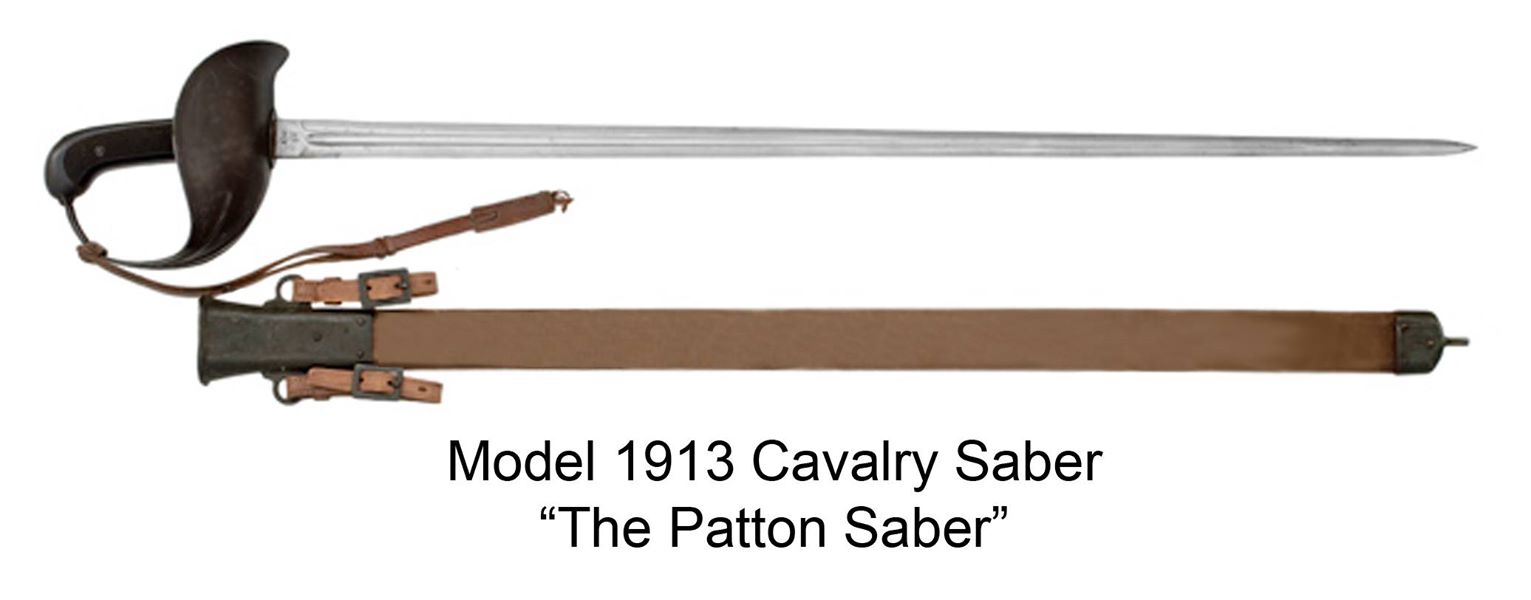
Source date (UTC): 2018-09-22 15:07:00 UTC
-
photos_and_videos/TimelinePhotos_SxeO6JU-xg/42292003_10156655183882264_340599171
photos_and_videos/TimelinePhotos_SxeO6JU-xg/42292003_10156655183882264_3405991718078644224_o_10156655183877264.jpg Gen Patton did extensive study and competition with swords, and as far as I know his mixture of saber and rapier is the final word on the matter if for no other reason than we don’t chop while riding on horses any longer. I have used foil, rapier, and saber and while one can exert more force with a saber, the rapier, it’s length, and it’s double edge simply mean that opponents are kept at a distance, and you are much, much faster than they are. The basic utility of the Machete, Saxon, Bowie are fantastic, but they are closer ranged weapons than the fast sword. While we all love our longswords they are primarily for use against armor, and gave way to harder metal with faster swords upon the arrival of gunpowder. And the saber was eventually replaced by a second pistol when soldiers could afford it.
Why? Well, i see a lot of knife and machete fights in the world thanks to the ubiquity of smart phones. Apparently no one in the third world has learned two fight with swords.Sascha Alexander GünterGood Swords are expensive, machetes are notSep 22, 2018, 3:14 PMDaniel Roland AndersonI thumbed through an old book on the lethality of edged weapons when I was a teenager. The officer that compiled the work noted that slash-type wounds, however gruesome, were far less lethal than stab-type wounds that managed to penetrate even a few inches.
This design fits with the lethality analysis.
Now, the analysis changes with knives if the Martial Blade Concepts people are correct, and a “stop” with a knife means severing nerves and tendons of an opponent and is less concerned with lethality.
Slashing/cutting is more important to immobilize an opponent at close range.
Makes sense.Sep 22, 2018, 3:14 PMSascha Alexander GünterMe personally, i like my katana. The edge is much harder than most swords, so it doesnt dull. I use it to shave, so its kinda important to have good edge retentionSep 22, 2018, 3:15 PMCroib MagaSaying “long swords are primarily for use against armor” is a lot like saying “paint was made primarily for use on canvas.”
Long swords spanned a long time and had many different roles, and the majority of material instructing their use is intended for unarmored combat.Sep 22, 2018, 3:18 PMSascha Alexander GünterIn the end, swords are just sharp edged metal rods. Nothing magic about that. There are heavy ones, light, short, long, curved, straight ones….
But yea. Id prefer a long and light one.Sep 22, 2018, 3:21 PMCurt Doolittlewhy were they replaced?Sep 22, 2018, 3:28 PMCurt DoolittleThe problem with light and fast is getting from bronze, to iron, to poor steel to crucible steel.Sep 22, 2018, 3:47 PMCroib MagaThey were difficult to construct and required much more specialized bladesmiths, and were a relic of an era where military combat and civilian combat resembled each other. Changing attitudes about aesthetics, shaped by every facet of that looooooong ass 16th century. Even then, hard bitten longsword guys held on into the 17th century, ie George Silver.Sep 22, 2018, 4:05 PMGuido TomassiniSwords are useless against armour (except gambeson), they were used as a secondary/self defence weapon, where people wasn’t wearing protection. In the battlefield one would use a spear, hammer, axe, etc.
And about the post, do not forget that those machetes and knifes come from China or other industrial places, the third world can’t even make their own weapons.Sep 22, 2018, 4:11 PMCroib MagaThe longsword intended for armored combat (plates, that is) often had a diamond cross section and were pretty stiff, made even stiffer by gripping the sword halfway down the blade. These swords were also very tapered to find areas protected by mailled and used to stab those areas, even pop apart links if possible.
“Swords are useless against armor”
That is a blanket statement that ignores the many different kinds of swords intended for use against armor.Sep 22, 2018, 4:12 PMGuido TomassiniWell, yes, it’s an overstatement, but the fact is that if you want to kill someone in armour, even a one handed hammer is way better than any sword.Sep 22, 2018, 4:15 PMCroib MagaTo answer your question precisely, Curt, each of their roles were eventually and slowly filled by other weapons that could do the respective jobs better.Sep 22, 2018, 4:16 PMCroib MagaIf we were cap a pie in 1400 armor, I had an Oakeshotte type XVIII, and you had a ball peen, I would kill you so goddamn fastSep 22, 2018, 4:18 PMGarioch MacYoostingreat observationsSep 22, 2018, 4:39 PMAlton R. Hughes IIhttps://m.youtube.com/watch?v=9qJBGlChcXUSep 22, 2018, 5:22 PMEric BumpusDo you watch “forged in fire”? Great show!Sep 22, 2018, 5:43 PMBill JoslinLearned this when living in the bush with a large population of feral dogs.
Swiping, swinging (slicing, chopping for an edged weapon) is easily anticipated and avoided.
Once the swing passes there is opportunity to pounce.
In short, don’t swing at an animal like you’re holding a bat, poke at them. It drives them back and you can easily “recharge” for the next “poke”. I expect this would be true for edge weapons too.Sep 22, 2018, 8:13 PMDaniel Roland AndersonWhich is why a decent spearman is likely to give a great swordsman a very bad time.Sep 22, 2018, 9:19 PMJared NeavesI had a heated discussion with someone when they assumed a rapier was better than a quarter staffSep 22, 2018, 9:49 PMKevin CoxWhich is why the sewing machine technique is so ubiquitous in prisons. Rapid series of straight forward thrusting stabs are very deadly and extremely difficult to counter.Sep 22, 2018, 10:10 PMChip SillsQuarter staff longer, can poke, bash and pivot quickly end for end.Sep 23, 2018, 5:57 AMBrad JordanYeah this is why the pike was the epitome of melee combat. Control your opponents, control the outcome.Sep 23, 2018, 6:13 AMBrad Jordanhttps://youtu.be/xuTU-Gby46MSep 23, 2018, 6:14 AMAaron KahlandThere was an example in a Japanese POW camp (for captured Dutch soldiers). The Japanese claimed to the Dutch that Samurai sword fighting techniques were superior to those of European. In the camp was a Dutch sword fighting champion. The Japanese put their best samurai-technique master against him.
The Dutchman obliterated the Samurai and the Japanese were forever silent on the subject thereafter.Sep 23, 2018, 6:47 AMJared NeavesChip Sills also considerably more lethal. There is a book that I can’t remember the name of atm that was written by a duelling contemporary that discussed the poor lethality of holes poked by rapiers compared to a good old fashioned bludgeoning or compared to a blow with a heavier edged sword that can deprive a man of his whole limb in one go.Sep 23, 2018, 7:46 AMMark FuhrmanA calvary sword is best used as a slashing weapon.Sep 23, 2018, 10:06 AMJim WaltersRead the works of Sykes, Applegate and Fairbairn have you? Amazing amount of knife fighting and back alley street fighting can be learned from them.Sep 23, 2018, 11:23 AMJim WaltersCheck out the 1917 Indian Calvary Saber made by Cold Steel. It has all the features one would want on a modern fighting swordSep 23, 2018, 11:25 AMDaniel Roland AndersonSome. Classic stuff.Sep 23, 2018, 11:39 AMCurt DoolittleYep. that’s about as good as it gets.Sep 23, 2018, 12:00 PMCurt DoolittleI should have made the point in the OP that sabers are better for warfare (multiple enemies) and rapiers are better for one on one (duels), since while longer and faster, it’s a harder to use as a shield because it’s harder to create an area of control other than at the point of the sword. That said, recent example of a poke taking out an opponent in ten seconds is circulating on the internet, and there are hundreds of deep machete cuts that people survive.Sep 23, 2018, 12:03 PMGarioch MacYoostinYou may laugh but my fighting blade is a barong.You can stab and slash with it and really its a secondary weapon anyway.Sep 23, 2018, 12:05 PMBill Joslinhttps://youtu.be/afqhBODc_8USep 23, 2018, 1:00 PMNoah J Revoyhttps://www.youtube.com/watch?v=Y3Wj6S2xE-gSep 24, 2018, 4:29 AMJames SantagataI am addicted to Filipino knife and machete fights on Youtube, with a post-mortem breakdown by a Kali instructor. Mexico and China have some as well but more human wave attack stuff.Sep 24, 2018, 6:41 AMAntonio E LoureiroCool, is there a link about it?Sep 24, 2018, 8:02 AMBrad JordanLloyd is great.Sep 25, 2018, 2:03 AMJared Neaveshttps://www.quora.com/Who-would-win-a-samurai-with-a-katana-or-the-European-swordsman-with-a-rapier?share=1Sep 27, 2018, 5:01 AMJared NeavesI really don’t believe a rapier is a good lethal weapon.Sep 27, 2018, 5:01 AMGen Patton did extensive study and competition with swords, and as far as I know his mixture of saber and rapier is the final word on the matter if for no other reason than we don’t chop while riding on horses any longer. I have used foil, rapier, and saber and while one can exert more force with a saber, the rapier, it’s length, and it’s double edge simply mean that opponents are kept at a distance, and you are much, much faster than they are. The basic utility of the Machete, Saxon, Bowie are fantastic, but they are closer ranged weapons than the fast sword. While we all love our longswords they are primarily for use against armor, and gave way to harder metal with faster swords upon the arrival of gunpowder. And the saber was eventually replaced by a second pistol when soldiers could afford it.
Why? Well, i see a lot of knife and machete fights in the world thanks to the ubiquity of smart phones. Apparently no one in the third world has learned two fight with swords.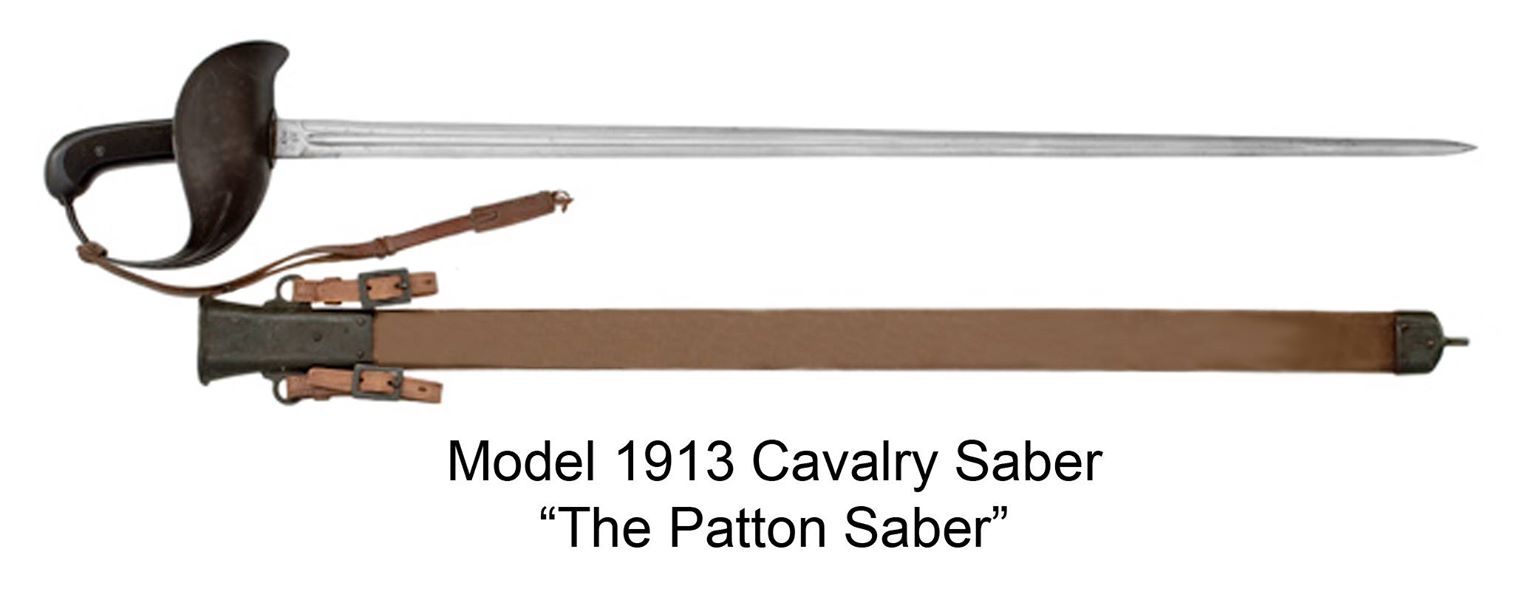
Source date (UTC): 2018-09-22 15:07:00 UTC
-
photos_and_videos/TimelinePhotos_43196237263/42292003_10156655183882264_34059917
photos_and_videos/TimelinePhotos_43196237263/42292003_10156655183882264_3405991718078644224_o_10156655183877264.jpg Gen Patton did extensive study and competition with swords, and as far as I know his mixture of saber and rapier is the final word on the matter if for no other reason than we don’t chop while riding on horses any longer. I have used foil, rapier, and saber and while one can exert more force with a saber, the rapier, it’s length, and it’s double edge simply mean that opponents are kept at a distance, and you are much, much faster than they are. The basic utility of the Machete, Saxon, Bowie are fantastic, but they are closer ranged weapons than the fast sword. While we all love our longswords they are primarily for use against armor, and gave way to harder metal with faster swords upon the arrival of gunpowder. And the saber was eventually replaced by a second pistol when soldiers could afford it.
Why? Well, i see a lot of knife and machete fights in the world thanks to the ubiquity of smart phones. Apparently no one in the third world has learned two fight with swords.Sascha Alexander GünterGood Swords are expensive, machetes are notSep 22, 2018 3:14pmDaniel Roland AndersonI thumbed through an old book on the lethality of edged weapons when I was a teenager. The officer that compiled the work noted that slash-type wounds, however gruesome, were far less lethal than stab-type wounds that managed to penetrate even a few inches.
This design fits with the lethality analysis.
Now, the analysis changes with knives if the Martial Blade Concepts people are correct, and a “stop” with a knife means severing nerves and tendons of an opponent and is less concerned with lethality.
Slashing/cutting is more important to immobilize an opponent at close range.
Makes sense.Sep 22, 2018 3:14pmSascha Alexander GünterMe personally, i like my katana. The edge is much harder than most swords, so it doesnt dull. I use it to shave, so its kinda important to have good edge retentionSep 22, 2018 3:15pmCroib MagaSaying “long swords are primarily for use against armor” is a lot like saying “paint was made primarily for use on canvas.”
Long swords spanned a long time and had many different roles, and the majority of material instructing their use is intended for unarmored combat.Sep 22, 2018 3:18pmSascha Alexander GünterIn the end, swords are just sharp edged metal rods. Nothing magic about that. There are heavy ones, light, short, long, curved, straight ones….
But yea. Id prefer a long and light one.Sep 22, 2018 3:21pmCurt Doolittlewhy were they replaced?Sep 22, 2018 3:28pmCurt DoolittleThe problem with light and fast is getting from bronze, to iron, to poor steel to crucible steel.Sep 22, 2018 3:47pmCroib MagaThey were difficult to construct and required much more specialized bladesmiths, and were a relic of an era where military combat and civilian combat resembled each other. Changing attitudes about aesthetics, shaped by every facet of that looooooong ass 16th century. Even then, hard bitten longsword guys held on into the 17th century, ie George Silver.Sep 22, 2018 4:05pmGuido TomassiniSwords are useless against armour (except gambeson), they were used as a secondary/self defence weapon, where people wasn’t wearing protection. In the battlefield one would use a spear, hammer, axe, etc.
And about the post, do not forget that those machetes and knifes come from China or other industrial places, the third world can’t even make their own weapons.Sep 22, 2018 4:11pmCroib MagaThe longsword intended for armored combat (plates, that is) often had a diamond cross section and were pretty stiff, made even stiffer by gripping the sword halfway down the blade. These swords were also very tapered to find areas protected by mailled and used to stab those areas, even pop apart links if possible.
“Swords are useless against armor”
That is a blanket statement that ignores the many different kinds of swords intended for use against armor.Sep 22, 2018 4:12pmGuido TomassiniWell, yes, it’s an overstatement, but the fact is that if you want to kill someone in armour, even a one handed hammer is way better than any sword.Sep 22, 2018 4:15pmCroib MagaTo answer your question precisely, Curt, each of their roles were eventually and slowly filled by other weapons that could do the respective jobs better.Sep 22, 2018 4:16pmCroib MagaIf we were cap a pie in 1400 armor, I had an Oakeshotte type XVIII, and you had a ball peen, I would kill you so goddamn fastSep 22, 2018 4:18pmGarioch MacYoostingreat observationsSep 22, 2018 4:39pmAlton R. Hughes IIhttps://m.youtube.com/watch?v=9qJBGlChcXUSep 22, 2018 5:22pmEric BumpusDo you watch “forged in fire”? Great show!Sep 22, 2018 5:43pmBill JoslinLearned this when living in the bush with a large population of feral dogs.
Swiping, swinging (slicing, chopping for an edged weapon) is easily anticipated and avoided.
Once the swing passes there is opportunity to pounce.
In short, don’t swing at an animal like you’re holding a bat, poke at them. It drives them back and you can easily “recharge” for the next “poke”. I expect this would be true for edge weapons too.Sep 22, 2018 8:13pmDaniel Roland AndersonWhich is why a decent spearman is likely to give a great swordsman a very bad time.Sep 22, 2018 9:19pmJared NeavesI had a heated discussion with someone when they assumed a rapier was better than a quarter staffSep 22, 2018 9:49pmKevin CoxWhich is why the sewing machine technique is so ubiquitous in prisons. Rapid series of straight forward thrusting stabs are very deadly and extremely difficult to counter.Sep 22, 2018 10:10pmChip SillsQuarter staff longer, can poke, bash and pivot quickly end for end.Sep 23, 2018 5:57amBrad JordanYeah this is why the pike was the epitome of melee combat. Control your opponents, control the outcome.Sep 23, 2018 6:13amBrad Jordanhttps://youtu.be/xuTU-Gby46MSep 23, 2018 6:14amAaron KahlandThere was an example in a Japanese POW camp (for captured Dutch soldiers). The Japanese claimed to the Dutch that Samurai sword fighting techniques were superior to those of European. In the camp was a Dutch sword fighting champion. The Japanese put their best samurai-technique master against him.
The Dutchman obliterated the Samurai and the Japanese were forever silent on the subject thereafter.Sep 23, 2018 6:47amJared Neaves@[1532420023:2048:Chip Sills] also considerably more lethal. There is a book that I can’t remember the name of atm that was written by a duelling contemporary that discussed the poor lethality of holes poked by rapiers compared to a good old fashioned bludgeoning or compared to a blow with a heavier edged sword that can deprive a man of his whole limb in one go.Sep 23, 2018 7:46amMark FuhrmanA calvary sword is best used as a slashing weapon.Sep 23, 2018 10:06amJim WaltersRead the works of Sykes, Applegate and Fairbairn have you? Amazing amount of knife fighting and back alley street fighting can be learned from them.Sep 23, 2018 11:23amJim WaltersCheck out the 1917 Indian Calvary Saber made by Cold Steel. It has all the features one would want on a modern fighting swordSep 23, 2018 11:25amDaniel Roland AndersonSome. Classic stuff.Sep 23, 2018 11:39amCurt DoolittleYep. that’s about as good as it gets.Sep 23, 2018 12:00pmCurt DoolittleI should have made the point in the OP that sabers are better for warfare (multiple enemies) and rapiers are better for one on one (duels), since while longer and faster, it’s a harder to use as a shield because it’s harder to create an area of control other than at the point of the sword. That said, recent example of a poke taking out an opponent in ten seconds is circulating on the internet, and there are hundreds of deep machete cuts that people survive.Sep 23, 2018 12:03pmGarioch MacYoostinYou may laugh but my fighting blade is a barong.You can stab and slash with it and really its a secondary weapon anyway.Sep 23, 2018 12:05pmBill Joslinhttps://youtu.be/afqhBODc_8USep 23, 2018 1:00pmNoah J Revoyhttps://www.youtube.com/watch?v=Y3Wj6S2xE-gSep 24, 2018 4:29amJames SantagataI am addicted to Filipino knife and machete fights on Youtube, with a post-mortem breakdown by a Kali instructor. Mexico and China have some as well but more human wave attack stuff.Sep 24, 2018 6:41amAntonio E LoureiroCool, is there a link about it?Sep 24, 2018 8:02amBrad JordanLloyd is great.Sep 25, 2018 2:03amJared Neaveshttps://www.quora.com/Who-would-win-a-samurai-with-a-katana-or-the-European-swordsman-with-a-rapier?share=1Sep 27, 2018 5:01amJared NeavesI really don’t believe a rapier is a good lethal weapon.Sep 27, 2018 5:01amGen Patton did extensive study and competition with swords, and as far as I know his mixture of saber and rapier is the final word on the matter if for no other reason than we don’t chop while riding on horses any longer. I have used foil, rapier, and saber and while one can exert more force with a saber, the rapier, it’s length, and it’s double edge simply mean that opponents are kept at a distance, and you are much, much faster than they are. The basic utility of the Machete, Saxon, Bowie are fantastic, but they are closer ranged weapons than the fast sword. While we all love our longswords they are primarily for use against armor, and gave way to harder metal with faster swords upon the arrival of gunpowder. And the saber was eventually replaced by a second pistol when soldiers could afford it.
Why? Well, i see a lot of knife and machete fights in the world thanks to the ubiquity of smart phones. Apparently no one in the third world has learned two fight with swords.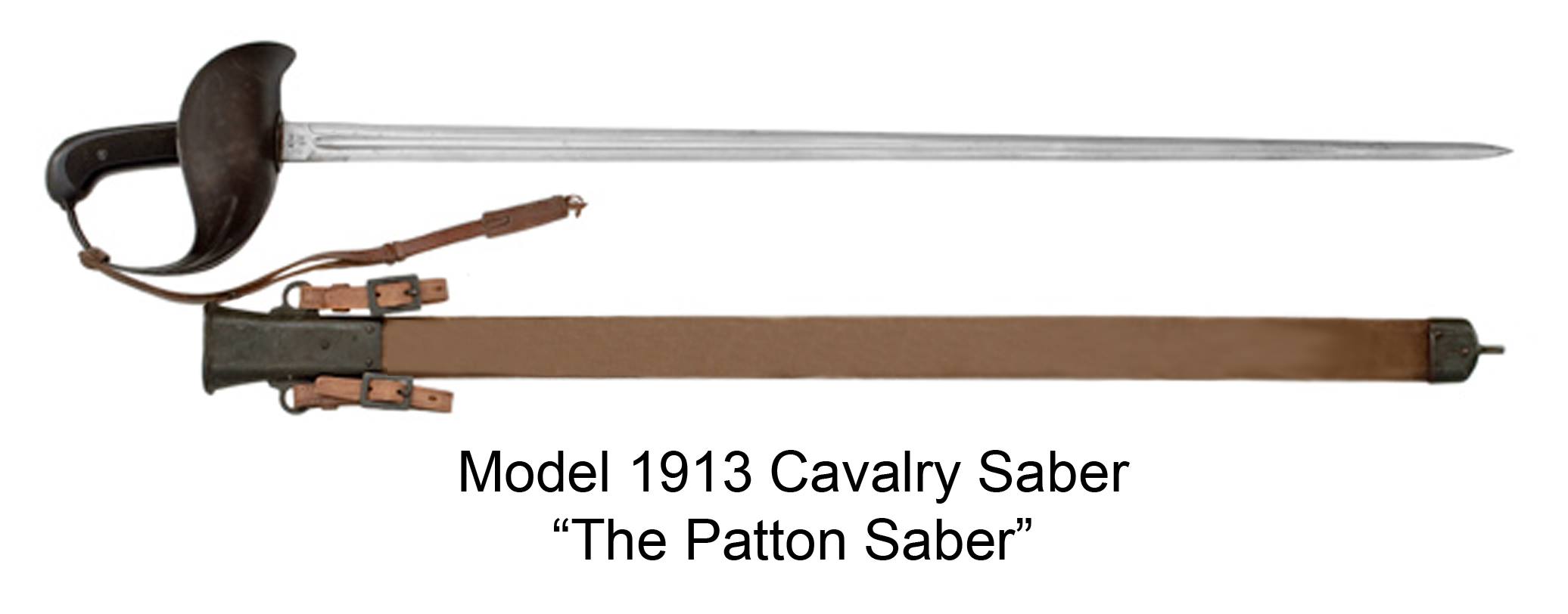
Source date (UTC): 2018-09-22 15:07:00 UTC
-
There Are No Caucasians Remaining in India?
September 22nd, 2018 12:46 PM THERE ARE NO CAUCASIANS REMAINING IN INDIA?
—“India has been underrepresented in genome-wide surveys of human variation. We analyze 25 diverse groups to provide strong evidence for two ancient populations, genetically divergent, that are ancestral to most Indians today. One, the âAncestral North Indiansâ (ANI), is genetically close to Middle Easterners, Central Asians, and Europeans, while the other, the âAncestral South Indiansâ (ASI), is as distinct from ANI and East Asians as they are from each other. By introducing methods that can estimate ancestry without accurate ancestral populations, we show that ANI ancestry ranges from 39-71% in India, and is higher in traditionally upper caste and Indo-European speakers. Groups with only ASI ancestry may no longer exist in mainland India. However, the Andamanese are an ASI-related group without ANI ancestry, showing that the peopling of the islands must have occurred before ANI-ASI gene flow on the mainland. Allele frequency differences between groups in India are larger than in Europe, reflecting strong founder effects whose signatures have been maintained for thousands of years due to endogamy. We therefore predict that there will be an excess of recessive diseases in India, different in each group, which should be possible to screen and map genetically.”—
-
September 22nd, 2018 10:39 AM THE SEVEN TYPES OF AMBIGUITY (CONFLATIONISM) by Wi
September 22nd, 2018 10:39 AM THE SEVEN TYPES OF AMBIGUITY (CONFLATIONISM)
by William Empson 1 – The first type of ambiguity is the metaphor, that is, when two things are said to be alike which have different properties. This concept is similar to that of metaphysical conceit. 2 – Two or more meanings are resolved into one. Empson characterizes this as using two different metaphors at once. 3 – Two ideas that are connected through context can be given in one word simultaneously. 4 – Two or more meanings that do not agree but combine to make clear a complicated state of mind in the speaker. 5 – When the author discovers his idea in the act of writing. Empson describes a simile that lies halfway between two statements made by the author. 6 – When a statement says nothing and the readers are forced to invent a statement of their own, most likely in conflict with that of the author. 7 – Two words that within context are opposites that expose a fundamental division in the author’s mind. -
Big Families Are Not Really Difficult
September 22nd, 2018 1:02 PM BIG FAMILIES ARE NOT REALLY DIFFICULT
by Nick Bailey—“Big families actually aren’t as much of a pain as the (((news media))) portrays. I had a carseat/stroller combo that lasted through the first 5 kids. I had 5 sons in a row, so baby clothes just got saved and passed to the next kid for years. Eventually, the workload of dealing with the younger kids gets spread out among both parents and the older kids. Feeding them is cheap if you just make one-pot meals at home.
The first kid is the most expensive. Each one after that is generally less expensive, especially once you realize you don’t need all the stuff the ‘experts’ say you need. Good medical insurance is an absolute must, though.”— -
Another Take on Indian Origins
September 22nd, 2018 12:53 PM ANOTHER TAKE ON INDIAN ORIGINS
by Mark Lanzarotta, The ancestors of the Dravidians, the Proto-Elamites, originated from a Zarzian (Nostratic) migration from the Zagros Mountains to Turkmenistan around 13,000 BC. They were driven from there in 8000 BC by Proto-Sumerians from the Altais and fled to Iran, where they gave rise to the Elamites, among others. They began to drift into India around 7000 BC and wrested it from the Nihalis (the new arrivals started the Mehrgarh civilization, a blend of Dravidians and native Nihalis). The Mundas didn’t exist yet, they came from Yunnan later. The Dravidians married the Australoid indigenes and became quite dark, though they imposed their language on the conquered people. In the Indus Valley was invented Dentistry by these people. The Iranian Dravidians (Elamites) drove the Kartvelians from Mazanderan to the Caucasus around 6000 BC. The Indus Valley people had terrible floods and plagues which drove them south. The Aryans, a mixture of Iranians and Hunas, began to filter into India around 1300 BC, absorbing some Dravidians and driving the others south. The Indo-Aryan kingdoms mentioned in the Mahabharata were established by 1100 BC. Bengal remained Dravidian much longer than western India, though they were eventually conquered. Bengal means “God’s Country” in the language of the Mundas, the original inhabitants. The Dravidians were related to but not the same as Elamites, since they arose as a mixture of Elamites and African settlers from the Horn of Africa in the Ormozgan area of southeastern Iran, around 7500 BC. The ancient Adivasis or Australoids originally spoke Australian languages before the Dravidians conquered them. The Dravidians are related to Austro-Asiatics like the Mundas through extensive admixture in India, though not by common origin. Dravidians are Nostratics with an Eritrean admixture, they have a separate origin from the Austric peoples. The Australoid Adivasis are among the oldest Indians of them all, they arrived in India in 60,000 BC. But they were preceded by the Negrito ancestors of the Andamese, who were in Uttar Pradesh as early as 85,000 BC. Before them Denisovan hominin and Homo Erectus lived in India for countless ages, and a few of their most ancient genes are still in the Indian people today.