Form: Excerpt

  • ON GENDER DIFFERENCES IN PERSONALITY Gender Differences in Personality across th

    http://psycnet.apa.org/doiLanding?doi=10.1037%2F0022-3514.93.5.880ABSTRACTS ON GENDER DIFFERENCES IN PERSONALITY

    Gender Differences in Personality across the Ten Aspects of the Big Five https://www.ncbi.nlm.nih.gov/pmc/articles/PMC3149680/

    Age differences in personality traits from 10 to 65: Big Five domains and facets in a large cross-sectional sample.

    —“Hypotheses about mean-level age differences in the Big Five personality domains, as well as 10 more specific facet traits within those domains, were tested in a very large cross-sectional sample (N = 1,267,218) of children, adolescents, and adults (ages 10-65) assessed over the World Wide Web. The results supported several conclusions. First, late childhood and adolescence were key periods. Across these years, age trends for some traits (a) were especially pronounced, (b) were in a direction different from the corresponding adult trends, or (c) first indicated the presence of gender differences. Second, there were some negative trends in psychosocial maturity from late childhood into adolescence, whereas adult trends were overwhelmingly in the direction of greater maturity and adjustment. Third, the related but distinguishable facet traits within each broad Big Five domain often showed distinct age trends, highlighting the importance of facet-level research for understanding life span age differences in personality.”—

    https://www.ncbi.nlm.nih.gov/pubmed/21171787/

    Gender Differences in Personality across the Ten Aspects of the Big Five

    –“This paper investigates gender differences in personality traits, both at the level of the Big Five and at the sublevel of two aspects within each Big Five domain. Replicating previous findings, women reported higher Big Five Extraversion, Agreeableness, and Neuroticism scores than men. However, more extensive gender differences were found at the level of the aspects, with significant gender differences appearing in both aspects of every Big Five trait. For Extraversion, Openness, and Conscientiousness, the gender differences were found to diverge at the aspect level, rendering them either small or undetectable at the Big Five level. These findings clarify the nature of gender differences in personality and highlight the utility of measuring personality at the aspect level.”—

    https://www.ncbi.nlm.nih.gov/pmc/articles/PMC3149680/

    Gender differences in personality traits across cultures: Robust and surprising findings.

    Costa Jr., Paul T.,Terracciano, Antonio,McCrae, Robert R.

    Journal of Personality and Social Psychology, Vol 81(2), Aug 2001, 322-331

    —“Secondary analyses of Revised NEO Personality inventory data from 26 cultures (N =23,031) suggest that gender differences are small relative to individual variation within genders; differences are replicated across cultures for both college-age and adult samples, and differences are broadly consistent with gender stereotypes: Women reported themselves to be higher in Neuroticism, Agreeableness, Warmth, and Openness to Feelings, whereas men were higher in Assertiveness and Openness to Ideas. Contrary to predictions from evolutionary theory, the magnitude of gender differences varied across cultures. Contrary to predictions from the social role model, gender differences were most pronounced in European and American cultures in which traditional sex roles are minimized. Possible explanations for this surprising finding are discussed, including the attribution of masculine and feminine behaviors to roles rather than traits in traditional cultures. (PsycINFO Database Record (c) 2017 APA, all rights reserved)”—

    Between facets and domains: 10 aspects of the Big Five.

    DeYoung, Colin G.,Quilty, Lena C.,Peterson, Jordan B.

    Journal of Personality and Social Psychology, Vol 93(5), Nov 2007, 880-896

    –“Factor analyses of 75 facet scales from 2 major Big Five inventories, in the Eugene-Springfield community sample (N=481), produced a 2-factor solution for the 15 facets in each domain. These findings indicate the existence of 2 distinct (but correlated) aspects within each of the Big Five, representing an intermediate level of personality structure between facets and domains. The authors characterized these factors in detail at the item level by correlating factor scores with the International Personality Item Pool (L. R. Goldberg, 1999). These correlations allowed the construction of a 100-item measure of the 10 factors (the Big Five Aspect Scales [BFAS]), which was validated in a 2nd sample (N=480). Finally, the authors examined the correlations of the 10 factors with scores derived from 10 genetic factors that a previous study identified underlying the shared variance among the Revised NEO Personality Inventory facets (K. L. Jang et al., 2002). The correspondence was strong enough to suggest that the 10 aspects of the Big Five may have distinct biological substrates. (PsycINFO Database Record (c) 2016 APA, all rights reserved)”—

    http://psycnet.apa.org/doiLanding?doi=10.1037%2F0022-3514.93.5.880

    Why can’t a man be more like a woman? Sex differences in Big Five personality traits across 55 cultures.

    —“Previous research suggested that sex differences in personality traits are larger in prosperous, healthy, and egalitarian cultures in which women have more opportunities equal with those of men. In this article, the authors report cross-cultural findings in which this unintuitive result was replicated across samples from 55 nations (N = 17,637). On responses to the Big Five Inventory, women reported higher levels of neuroticism, extraversion, agreeableness, and conscientiousness than did men across most nations. These findings converge with previous studies in which different Big Five measures and more limited samples of nations were used. Overall, higher levels of human development–including long and healthy life, equal access to knowledge and education, and economic wealth–were the main nation-level predictors of larger sex differences in personality. Changes in men’s personality traits appeared to be the primary cause of sex difference variation across cultures. It is proposed that heightened levels of sexual dimorphism result from personality traits of men and women being less constrained and more able to naturally diverge in developed nations. In less fortunate social and economic conditions, innate personality differences between men and women may be attenuated.”—

    PMID: 18179326 DOI: 10.1037/0022-3514.94.1.168

    Higher-order factors of the Big Five in a multi-informant sample.

    DeYoung, Colin G.

    Journal of Personality and Social Psychology, Vol 91(6), Dec 2006, 1138-1151

    —“In a large community sample (N=490), the Big Five were not orthogonal when modeled as latent variables representing the shared variance of reports from 4 different informants. Additionally, the standard higher-order factor structure was present in latent space: Neuroticism (reversed), Agreeableness, and Conscientiousness formed one factor, labeled Stability, and Extraversion and Openness/Intellect formed a second factor, labeled Plasticity. Comparison of two instruments, the Big Five Inventory and the Mini-Markers, supported the hypotheses that single-adjective rating instruments are likely to yield lower interrater agreement than phrase rating instruments and that lower interrater agreement is associated with weaker correlations among the Big Five and a less coherent higher-order factor structure. In conclusion, an interpretation of the higher-order factors is discussed, including possible neurobiological substrates. (PsycINFO Database Record (c) 2016 APA, all rights reserved)”—

    Personality and compatibility: a prospective analysis of marital stability and marital satisfaction.

    Kelly EL, Conley JJ.

    —The antecedents of marital stability (divorce or remaining married) and marital satisfaction (within the group that remains married) were investigated with a panel of 300 couples who were followed from their engagements in the 1930s until 1980. Twenty-two of the couples broke their engagements; of the 278 couples who married, 50 got divorced at some time between 1935 and 1980. Personality characteristics (measured by acquaintance ratings made in the 1930s) were important predictors of both marital stability and marital satisfaction. The three aspects of personality most strongly related to marital outcome were the neuroticism of the husband, the neuroticism of the wife, and the impulse control of the husband. In combination, the 17 major antecedent variables were moderately predictive of a criterion variable composed of both marital stability and marital satisfaction (R = .49). The three major aspects of personality accounted for more than half of the predictable variance. The remaining variance was accounted for by attitudinal, social-environment, and sexual history variables.”—

    Parental investment, sexual selection and sex ratios

    HANNA KOKKO MICHAEL D. JENNIONS

    First published: 06 May 2008 https://doi.org/10.1111/j.1420-9101.2008.01540.x Cited by: 392

    Hanna Kokko, Laboratory of Ecological and Evolutionary Dynamics, Department of Biological and Environmental Science, University of Helsinki, PO Box 65, Viikinkaari 1, FIN–00014, Helsinki, Finland.

    Tel.: +358 9 1915 7702; fax: +358 9 1915 7694; e‐mail: hanna.kokko@helsinki.fi

    —“Conventional sex roles imply caring females and competitive males. The evolution of sex role divergence is widely attributed to anisogamy initiating a self‐reinforcing process. The initial asymmetry in pre‐mating parental investment (eggs vs. sperm) is assumed to promote even greater divergence in post‐mating parental investment (parental care). But do we really understand the process? Trivers [Sexual Selection and the Descent of Man 1871–1971 (1972), Aldine Press, Chicago] introduced two arguments with a female and male perspective on whether to care for offspring that try to link pre‐mating and post‐mating investment. Here we review their merits and subsequent theoretical developments. The first argument is that females are more committed than males to providing care because they stand to lose a greater initial investment. This, however, commits the ‘Concorde Fallacy’ as optimal decisions should depend on future pay‐offs not past costs. Although the argument can be rephrased in terms of residual reproductive value when past investment affects future pay‐offs, it remains weak. The factors likely to change future pay‐offs seem to work against females providing more care than males. The second argument takes the reasonable premise that anisogamy produces a male‐biased operational sex ratio (OSR) leading to males competing for mates. Male care is then predicted to be less likely to evolve as it consumes resources that could otherwise be used to increase competitiveness. However, given each offspring has precisely two genetic parents (the Fisher condition), a biased OSR generates frequency‐dependent selection, analogous to Fisherian sex ratio selection, that favours increased parental investment by whichever sex faces more intense competition. Sex role divergence is therefore still an evolutionary conundrum. Here we review some possible solutions. Factors that promote conventional sex roles are sexual selection on males (but non‐random variance in male mating success must be high to override the Fisher condition), loss of paternity because of female multiple mating or group spawning and patterns of mortality that generate female‐biased adult sex ratios (ASR). We present an integrative model that shows how these factors interact to generate sex roles. We emphasize the need to distinguish between the ASR and the operational sex ratio (OSR). If mortality is higher when caring than competing this diminishes the likelihood of sex role divergence because this strongly limits the mating success of the earlier deserting sex. We illustrate this in a model where a change in relative mortality rates while caring and competing generates a shift from a mammalian type breeding system (female‐only care, male‐biased OSR and female‐biased ASR) to an avian type system (biparental care and a male‐biased OSR and ASR).”—


    Source date (UTC): 2018-12-08 10:56:00 UTC
  • SEX DIFFERENCES IN PERSONALITY – REFERENCES 1. Buss DM. Psychological sex differ

    SEX DIFFERENCES IN PERSONALITY – REFERENCES

    1. Buss DM. Psychological sex differences: Origins through sexual selection. Am Psychol. 1995;50:164–168. [PubMed]

    2. Del Giudice M. On the real magnitude of psychological sex differences. Evol Psychol. 2009;7:264–279.

    3. Eagly AH. The science and politics of comparing women and men. Am Psychol. 1995;50:145–158.

    4. Eagly AH, Wood W. The origins of sex differences in human behavior: Evolved dispositions versus social roles. Am Psychol. 1999;54:408–423.

    5. Ellis L, Hershberger S, Field E, Wersinger S, Pellis S, et al. Sex differences: Summarizing more than a century of scientific research. New York: Psychology Press; 2008.

    6. Fausto-Sterling A. Myths of gender: Biological theories about women and men (2nd ed.) New York: Basic Books; 1992.

    7. Geary DC. Male, female: The evolution of human sex differences (2nd ed.) Washington, DC: American Psychological Association; 2010.

    8. Halpern DF, Benbow CP, Geary DC, Gur RC, Hyde JS, et al. The science of sex differences in science and mathematics. Psychol Sci Public Interest. 2007;8:1–51. [PMC free article] [PubMed]

    9. Hyde JS. The gender similarities hypothesis. Am Psychol. 2005;60:581–592. [PubMed]

    10. Lippa RA. The gender reality hypothesis. Am Psychol. 2006;61:639–640. [PubMed]

    11. Lippa RA. Gender differences in personality and interests: When, where, and why? Pers Soc Psychol Compass. 2010;3:1–13.

    12. Maccoby EE, Jacklin CN. The psychology of sex differences. Stanford, CA: Stanford University Press; 1974.

    13. Cohen J. Statistical power analysis for the behavioral sciences. Hillsdale, NJ: Erlbaum; 1988.

    14. Hedges LV. What are effect sizes and why do we need them? Child Dev Perspect. 2008;2:167–171.

    15. Davies APC, Shackelford TK. Two human natures: How men and women evolved different psychologies. In: Crawford C, Krebs D, editors. Foundations of evolutionary psychology. New York: Erlbaum; 2008. pp. 261–280.

    16. Schmitt DP, Realo A, Voracek M, Allik J. Why can’t a man be more like a woman? Sex differences in big five personality traits across 55 cultures. J Pers Soc Psychol. 2008;94:168–182. [PubMed]

    17. Trivers RL. Parental investment and sexual selection. In: Campbell B, editor. Sexual selection and the descent of man 1871–1971. Chicago, IL: Aldine; 1972. pp. 136–179.

    18. Kokko H, Jennions M. Parental investment, sexual selection and sex ratios. J Evol Biol. 2008;21:919–948. [PubMed]

    19. Buss DM, Schmitt DP. Evolutionary psychology and feminism. Sex Roles. 2011 doi: 10.1007/s11199-011-9987-3.

    20. Ashton MC, Lee K, Pozzebon JA, Visser BA, Worth NC. Status-driven risk taking and the major dimensions of personality. J Res Pers. 2010;44:734–737.

    21. Bourdage JS, Lee K, Ashton MC, Perry A. Big Five and HEXACO model personality correlates of sexuality. Pers Indiv Diff. 2007;43:1506–1516.

    22. Del Giudice M, Angeleri R, Brizio A, Elena MR. The evolution of autistic-like and schizotypal traits: A sexual selection hypothesis. Front Psychol. 2010;1:41. [PMC free article] [PubMed]

    23. Haselton MG, Miller GF. Women’s fertility across the cycle increases the short-term attractiveness of creative intelligence. Hum Nat. 2006;17:50–73. [PubMed]

    24. Jonason PK, Li NP, Webster GD, Schmitt DP. The dark triad: Facilitating a short-term mating strategy in men. Eur J Pers. 2009;23:5–18.

    25. Lee K, Ogunfowora B, Ashton MC. Personality traits beyond the Big Five: Are they within the HEXACO space? J Pers. 2005;73:1437–1463. [PubMed]

    26. Markey PM, Markey CN. The interpersonal meaning of sexual promiscuity. J Res Pers. 2007;41:1199–1212.

    27. Miller GF, Tal IR. Schizotypy versus openness and intelligence as predictors of creativity. Schizophr Res. 2007;93:317–324. [PubMed]

    28. Nettle D, Clegg H. Schizotypy, creativity and mating success in humans. Proc R Soc Lond B. 2006;273:611–615. [PMC free article] [PubMed]

    29. Schmitt DP. The big five related to risky sexual behavior across 10 world regions: Differential personality associations of sexual promiscuity and relationship infidelity. Eur J Pers. 2004;18:301–319.

    30. Schmitt DP, Buss DM. Sexual dimensions of person description: Beyond or subsumed by the big five? J Res Pers. 2000;34:141–177.

    31. Schmitt DP, Shackelford TK. Big five traits related to short-term mating: From personality to promiscuity across 46 nations. Evol Psychol. 2008;6:246–282.

    32. Bentler PM, Newcomb MD. Longitudinal study of marital success and failure. J Consult Clin Psych. 1978;46:1053–1070.

    33. Kelly EL, Conley JJ. Personality and compatibility: A prospective analysis of marital stability and marital satisfaction. J Pers Soc Psychol. 1987;52:27–40. [PubMed]

    34. Nettle D. Individual differences. In: Dunbar R, Barrett L, editors. Oxford handbook of evolutionary psychology. New York: Oxford University Press; 2007. pp. 479–490.

    35. Wiebe RP. Delinquent behavior and the five-factor model: Hiding in the adaptive landscape. Indiv Diff Res. 2004;2:38–62.

    36. Hyde JS. Gender similarities still rule. Am Psychol. 2006;61:641–642. [PubMed]

    37. Costa PTJ, McCrae RR. Domains and facets: Hierarchical personality assessment using the Revised NEO Personality Inventory. J Pers Assess. 1995;64:21–50. [PubMed]

    38. Ashton MC, Lee K. Empirical, theoretical, and practical advantages of the HEXACO model of personality structure. Pers Soc Psychol Rev. 2007;11:150–166. [PubMed]

    39. Zuckerman M, Kuhlman DM, Joireman J, Teta P, Kraft M. A comparison of three structural models for personality: The big three, the big five, and the alternative five. J Pers Soc Psychol. 1993;65:757–768.

    40. DeYoung CG. Higher-order factors of the Big Five in a multi-informant sample. J Pers Soc Psychol. 2006;91:1138–1151. [PubMed]

    41. Digman JM. Higher-order factors of the Big Five. J Pers Soc Psychol. 1997;73:1246–1256. [PubMed]

    42. Musek J. A general factor of personality: Evidence for the Big One in the five-factor model. J Res Pers. 2007;41:1213–1235.

    43. Just C. A review of literature on the general factor of personality. Pers Indiv Diff. 2011;50:765–771.

    44. Rushton JP, Irwing P. The general factor of personality: Normal and abnormal. In: Chamorro-Premuzic T, von Stumm S, Furnham A, editors. The Wiley-Blackwell handbook of individual differences. London: Blackwell; 2011.

    45. Saucier G. What are the most important dimensions of personality? Evidence from studies of descriptors in diverse languages. Pers Soc Psychol Compass. 2009;3:620–637.

    46. DeYoung CG, Quilty LC, Peterson JB. Between facets and domains: 10 aspects of the big five. J Pers Soc Psychol. 2007;93:880–896. [PubMed]

    47. Cattell RB, Cattell HEP. Personality Structure and the new Fifth Edition of the 16PF. Educ Psychol Meas. 1995;55:926–937.

    48. Cattell HEP, Mead AD. The Sixteen Personality Factor Questionnaire (16PF). In: Boyle GJ, Matthews G, Saklofske DH, editors. The Sage Handbook of Personality Theory and Assessment: Personality Measurement and Testing. London: Sage; 2008.

    49. Costa PTJ, Terracciano A, McCrae RR. Gender differences in personality traits across cultures: Robust and surprising findings. J Pers Soc Psychol. 2001;81:322–331. [PubMed]

    50. Hough LM, Oswald FL, Ployhart RE. Determinants, detection and amelioration of adverse impact in personnel selection procedures: Issues, evidence and lessons learned. Int J Select Assess. 2001;9:152–194.

    51. Lucas RE, Deiner E, Grob A, Suh EM, Shao L. Cross-cultural evidence for the fundamental features of extraversion. J Pers Soc Psychol. 2000;79:452–468. [PubMed]

    52. Powell DM, Goffin RD, Gellatly IR. Gender differences in personality scores: Implications for differential hiring rates. Pers Indiv Diff. 2011;50:106–110.

    53. Weisberg YJ, DeYoung CG, Hirsh JB. Gender differences in personality across the ten aspects of the Big Five. Front Psychol. 2011;2:178. [PMC free article] [PubMed]

    54. Booth T, Irwing P. Sex differences in the 16PF5, test of measurement invariance and mean differences in the US standardisation sample. Pers Indiv Diff. 2011;50:553–558.

    55. Soto CJ, John OP, Gosling SD, Potter J. Age differences in personality traits from 10 to 65: Big Five domains and facets in a large cross-sectional sample. J Pers Soc Psychol. 2011;100:330–348. [PubMed]

    56. French BF, Finch WH. Confirmatory factor analytic procedures for the determination of measurement invariance. Struct Equ Modeling. 2006;13:378–402.

    57. Meredith W. Measurement invariance, factor analysis and factorial invariance. Psychometrika. 1993;58:525–543.

    58. Widaman KF, Reise KF. Exploring the measurement invariance of psychological instruments: Applications in the substance use domain. In: Bryant KJ, Windle M, editors. The science of prevention: Methodological advances from alcohol and substance abuse research. Washington, DC: American Psychological Association; 1997. pp. 281–324.

    59. Church AT, Burke PJ. Exploratory and confirmatory tests of the Big 5 and Tellegen’s 3-dimensional and 4-dimensional models. J Pers Soc Psychol. 1994;66:93–114. [PubMed]

    60. Harner EJ, Whitmore RC. Multivariate measures of niche overlap using discriminant analysis. Theor Popul Biol. 1977;12:21–36. [PubMed]

    61. Reiser B. Confidence intervals for the Mahalanobis distance. Commun Stat-Simul C. 2001;30:37–45.

    62. Zou GY. Exact confidence interval for Cohen’s effect size is readily available. Stat Med. 2007;26:3054–3056. [PubMed]

    63. Huberty CJ. Mahalanobis distance. In: Everitt BS, Howell DC, editors. Encyclopedia of statistics in behavioral science. Chichester: Wiley; 2005.

    64. De Maesschalck R, Jouan-Rimbaud D, Massart DL. The Mahalanobis distance. Chemometr Intell Lab. 2000;50:1–18.

    65. Noftle EE, Shaver PR. Attachment dimensions and the big five personality traits: associations and comparative ability to predict relationship quality. J Res Pers. 2006;40:179–208.

    66. Merz EL, Roesch SC. A latent profile analysis of the Five Factor Model of personality: modeling trait interactions. Pers Indiv Diff. 2011;51:915–919. [PMC free article] [PubMed]

    67. Conn SR, Rieke ML, editors. The 16PF fifth edition technical manual. Champagne, IL: Institute for Personality and Ability Testing, Inc; 1994.

    68. Rossier J, Meyer de Stadelhofen F, Berthoud S. The hierarchical structures of the NEO PI-R and the 16 PF 5. Eur J Pers Assess. 2004;20:27–38.

    69. R Development Core Team. R: A language and environment for statistical computing. 2010. R Foundation for Statistical Computing, Vienna, Austria. URL http://www.R-project.org/

    70. Archer J. Does sexual selection explain human sex differences in aggression? Behav Brain Sci. 2009;32:249–266. [PubMed]

    71. Biernat M. Toward a broader view of social stereotyping. Am Psychol. 2003;58:1019–1027. [PubMed]


    Source date (UTC): 2018-12-08 10:25:00 UTC

  • photos_and_videos/TimelinePhotos_SxeO6JU-xg/47048758_10156816116342264_446070692

    photos_and_videos/TimelinePhotos_SxeO6JU-xg/47048758_10156816116342264_4460706927151677440_n_10156816116337264.jpg photos_and_videos/TimelinePhotos_SxeO6JU-xg/47356078_10156816116697264_7198913500800876544_n_10156816116692264.jpg photos_and_videos/TimelinePhotos_SxeO6JU-xg/47151740_10156816113127264_3632448468670218240_n_10156816113122264.jpg photos_and_videos/TimelinePhotos_SxeO6JU-xg/47249479_10156816112927264_8917371452559196160_n_10156816112922264.jpg Bryan Nova BreyFor the Hayekian Triangle there is “stages of production” but there is not “stages of consumption.”

    I don’t like when there is asymmetry in measurements.

    I understand price x demand curves, yet I’m not sure what is edifying about these triangles.Dec 4, 2018, 12:37 AMBryan Nova BreyAdd stages of consumption.

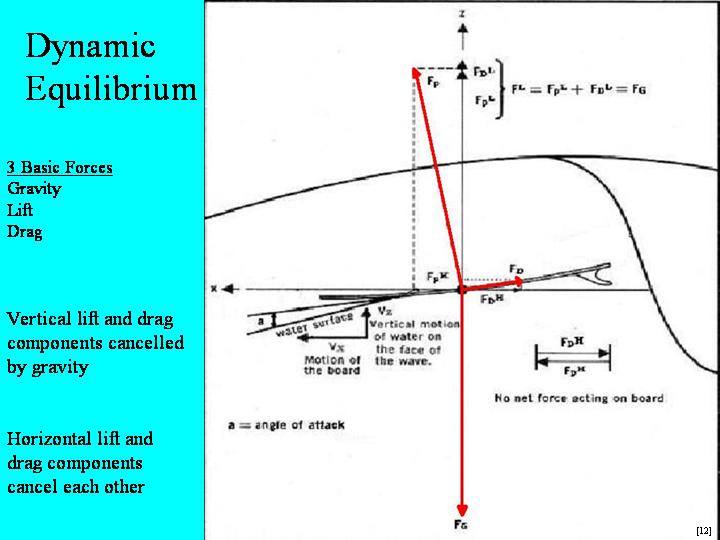
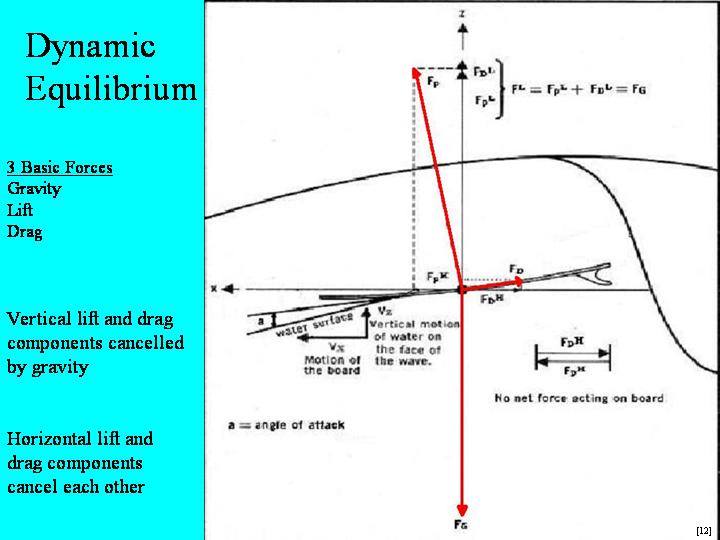
    I see that both you and Bill clarify what each of these stages are. If both lines have staged then you’d get a grid inside the triangle.Dec 4, 2018, 12:59 AM photos_and_videos/TimelinePhotos_SxeO6JU-xg/47391831_10156816124077264_590423106867167232_n_10156816124072264.jpg Bryan Nova BreyThat’s cool it’s a surfing calculation.Dec 1, 2018, 11:03 AMKari Anne DorstadI would not even be able to begin to figure this out ? LolJan 7, 2019, 9:01 PMACQUISITION AND THE SUPPLY DEMAND CURVE (And Hayekian Triangles).

    by Bill Joslin

    (Important concept) (“The Grammar of Social Relations.”)

    We (Propertarians) often use spectrums, but do so in a linear fashion a-b-c etc. A line in a single dimension, possibly two. Start to end or minimum to maximum. There is always, for any point on the spectrum, a vertical dimension which is context or frame. (CD: usually it’s scale.) We presume, properly, the existential frame, but without explicit expression it leaves us open to frame manipulation.

    The vertical dimension would be context – we’re always low context, but there might be something to including in what domain of existence we’re referring to for a spectrum, or accounting for all domains along with the spectrum.

    An example: aquisitionalism on a base biological level (domain)-> acquisition of calories and mating opportunities.

    Aquisitionalism on an individual level (domain) -> pursuit of “goods’

    Aquisitionalism on a social level (domain)-> acquisition of signals and opportunity

    Aquisitionalism on a societal level (domain) -> acquisition of advantage

    Without specifying or accounting for all domains, we tend to be mistaken for reductionists

    —-

    (Curt Doolittle Responds: )

    Correct.

    So we have some spectrum, some time series, and some range of context(conceptual) or conditions (existential).

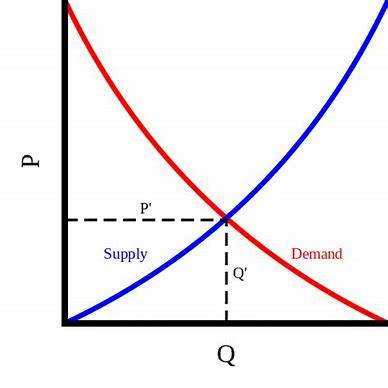
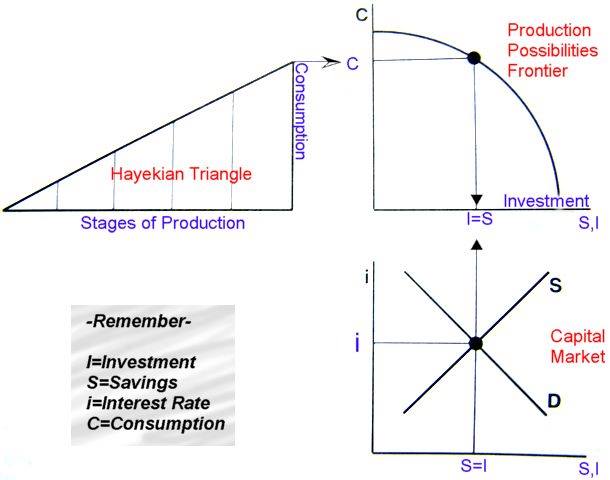
    So, because of (a) w can repeat series indefinitely in text, and this trains people through repetition. (b) text (This venue) does not assist us in creating graphs (supply demand curves), and (c) most people are unfamiliar with Hayekian Triangles, which is how these things are optimally communicated. (d) I am … let us say ‘leery’ of illustrating all these concepts in hayekian triangles, despite the fact that in my mind, I model all these concepts in Gary Becker’s supply and demand curves of Social Science Incentives. (Which is how I plan to teach the class: getting the students to draw all of them.) This converts the textual to the graphical.

    So. *A series should define a supply demand curve.*

    —THE GRAMMARS OF SOCIAL RELATIONS —

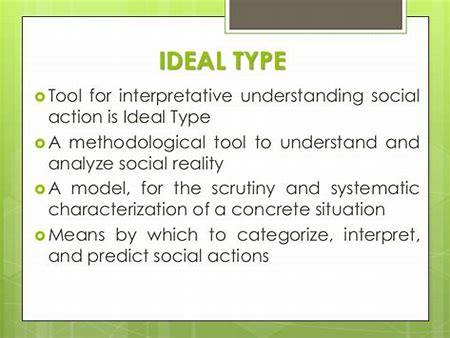
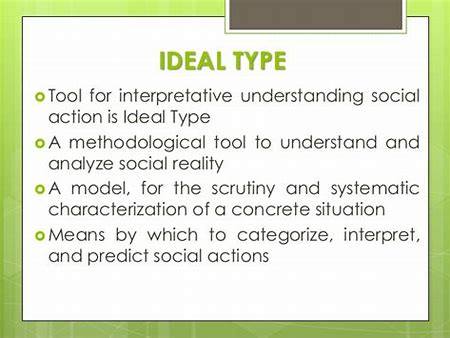
    IDEAL TYPE

    Hyper Generalization (overgeneralization). an Ideal. This is how most people converse in ordinary language.

    SERIES

    Hierarchy (series) = The Production Cycle (commonly)

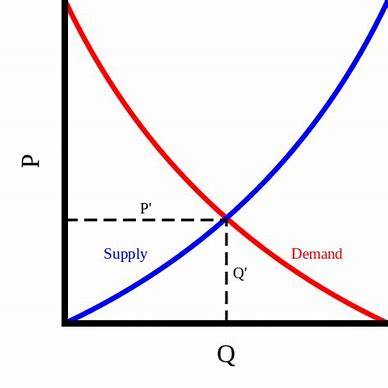
    CURVE

    Supply = Volume (quantity, amount)

    Demand = Criteria for Choice

    Intersection = Choice

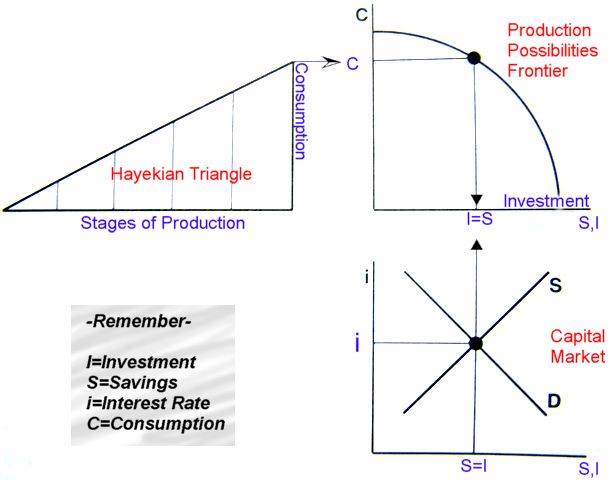
    TRIANGLES

    Production Cycle

    Possible Production Range

    Amount of investment vs trust required.

    EQUILIBRIUM BETWEEN COMPETING TRIANGLES

    (Mapping two or more curves together)

    DYNAMIC STOCHASTIC EQUILIBRIUM MODELS

    (how economics is performed today)

    So please forgive me if I speak in legal argument using series presuming the user can grasp that I speak in curves not lines.

    Because if I wrote at any greater level of complexity, (a) the demand on my time would be logarithmic, (b) it would only be fit for academic publication, and not for production of LAW COMPREHENSIBLE BY MEN.

    –GRAMMARS–

    Note that this pattern of grammars exists EVERYWHERE in every discipline.


    Source date (UTC): 2018-12-01 10:13:00 UTC

  • photos_and_videos/TimelinePhotos_SxeO6JU-xg/47048758_10156816116342264_446070692

    photos_and_videos/TimelinePhotos_SxeO6JU-xg/47048758_10156816116342264_4460706927151677440_n_10156816116337264.jpg photos_and_videos/TimelinePhotos_SxeO6JU-xg/47356078_10156816116697264_7198913500800876544_n_10156816116692264.jpg photos_and_videos/TimelinePhotos_SxeO6JU-xg/47151740_10156816113127264_3632448468670218240_n_10156816113122264.jpg photos_and_videos/TimelinePhotos_SxeO6JU-xg/47249479_10156816112927264_8917371452559196160_n_10156816112922264.jpg Bryan Nova BreyFor the Hayekian Triangle there is “stages of production” but there is not “stages of consumption.”

    I don’t like when there is asymmetry in measurements.

    I understand price x demand curves, yet I’m not sure what is edifying about these triangles.Dec 4, 2018, 12:37 AMBryan Nova BreyAdd stages of consumption.

    I see that both you and Bill clarify what each of these stages are. If both lines have staged then you’d get a grid inside the triangle.Dec 4, 2018, 12:59 AM photos_and_videos/TimelinePhotos_SxeO6JU-xg/47391831_10156816124077264_590423106867167232_n_10156816124072264.jpg Bryan Nova BreyThat’s cool it’s a surfing calculation.Dec 1, 2018, 11:03 AMACQUISITION AND THE SUPPLY DEMAND CURVE (And Hayekian Triangles).

    by Bill Joslin

    (Important concept) (“The Grammar of Social Relations.”)

    We (Propertarians) often use spectrums, but do so in a linear fashion a-b-c etc. A line in a single dimension, possibly two. Start to end or minimum to maximum. There is always, for any point on the spectrum, a vertical dimension which is context or frame. (CD: usually it’s scale.) We presume, properly, the existential frame, but without explicit expression it leaves us open to frame manipulation.

    The vertical dimension would be context – we’re always low context, but there might be something to including in what domain of existence we’re referring to for a spectrum, or accounting for all domains along with the spectrum.

    An example: aquisitionalism on a base biological level (domain)-> acquisition of calories and mating opportunities.

    Aquisitionalism on an individual level (domain) -> pursuit of “goods’

    Aquisitionalism on a social level (domain)-> acquisition of signals and opportunity

    Aquisitionalism on a societal level (domain) -> acquisition of advantage

    Without specifying or accounting for all domains, we tend to be mistaken for reductionists

    —-

    (Curt Doolittle Responds: )

    Correct.

    So we have some spectrum, some time series, and some range of context(conceptual) or conditions (existential).

    So, because of (a) w can repeat series indefinitely in text, and this trains people through repetition. (b) text (This venue) does not assist us in creating graphs (supply demand curves), and (c) most people are unfamiliar with Hayekian Triangles, which is how these things are optimally communicated. (d) I am … let us say ‘leery’ of illustrating all these concepts in hayekian triangles, despite the fact that in my mind, I model all these concepts in Gary Becker’s supply and demand curves of Social Science Incentives. (Which is how I plan to teach the class: getting the students to draw all of them.) This converts the textual to the graphical.

    So. *A series should define a supply demand curve.*

    —THE GRAMMARS OF SOCIAL RELATIONS —

    IDEAL TYPE

    Hyper Generalization (overgeneralization). an Ideal. This is how most people converse in ordinary language.

    SERIES

    Hierarchy (series) = The Production Cycle (commonly)

    CURVE

    Supply = Volume (quantity, amount)

    Demand = Criteria for Choice

    Intersection = Choice

    TRIANGLES

    Production Cycle

    Possible Production Range

    Amount of investment vs trust required.

    EQUILIBRIUM BETWEEN COMPETING TRIANGLES

    (Mapping two or more curves together)

    DYNAMIC STOCHASTIC EQUILIBRIUM MODELS

    (how economics is performed today)

    So please forgive me if I speak in legal argument using series presuming the user can grasp that I speak in curves not lines.

    Because if I wrote at any greater level of complexity, (a) the demand on my time would be logarithmic, (b) it would only be fit for academic publication, and not for production of LAW COMPREHENSIBLE BY MEN.

    –GRAMMARS–

    Note that this pattern of grammars exists EVERYWHERE in every discipline.


    Source date (UTC): 2018-12-01 10:13:00 UTC

  • SIGNALS AND RELIGION by Luke Weinhagen Signals are like a drug. You get the dopa

    SIGNALS AND RELIGION

    by Luke Weinhagen

    Signals are like a drug. You get the dopamine hit from doing the signalling without having to expose yourself to the costs of doing the being.

    Signals are passive. Being is active. Your actions are always the expression of your truth .Where your passive state does not match your active state, your passive state is a lie. It is the exposure of this lie that people are responding to.

    It is the trappings of these belief systems that are, and should be, under attack first. The trapping are the passive decorations of belief, not the costly actions of belief. One can wear them and signal their belonging and righteousness. These are merely the demands the religion makes of its believers. Stripping this away is the first attack. There is no action here so there is no agency here. The response is all upset

    Once the trapping are stripped away you can know what the religion actually demands of its adherents. You learn what actions one must take as a practitioner, not just one that signals belief, but puts that belief into action. Where the attack on religion meets the practitioner is where agency begins to be available. It is at this point where practitioner of and critics of can meet with cooperation, boycott or violence. Where we have the opportunity to strip away those actions that impose an external cost and use the good that remains to help guide men to transcendence.

    Cooperation to remove the errors and lies and retain that which allows transcendence.

    Boycott to deny the external costs of errors and lies and allow the practitioners able to do so to keep their faith with full internal accounting. (Bill’s “Ending Brother Wars”)

    Violence to end the external costs of error and lies for practitioners unable to practice full accountability.

    (my guess is that when we get to a point where natural law is implemented, we will see cooperation, boycott and violence line up with Christianity, Judaism and Islam)

    In the exploration of religious belief, dogma and ideology I think Curt’s recent “No More Lies” post is one of his most important (even if you believe he got every single detail wrong) as it shows the effect of stripping away the trappings –

    https://www.facebook.com/curt.doolittle/posts/10156800621732264


    Source date (UTC): 2018-11-26 11:46:00 UTC

  • Untitled

    https://www.youtube.com/attribution_link?a=p8YMST5b4IE&u=%2Fwatch%3Fv%3Ddwd8-edj6BM%26feature%3Dshare

    Source date (UTC): 2018-11-18 02:12:00 UTC

  • RT @DegenRolf: Tomorrow never comes: Apes and monkeys are unable to look into th

    RT @DegenRolf: Tomorrow never comes: Apes and monkeys are unable to look into the future beyond the current day, a foresight that only emer…


    Source date (UTC): 2018-11-16 00:12:01 UTC

    Original post: https://twitter.com/i/web/status/1063223125989605378

  • by BobJohnsonIsRight The United States Government has extensively studied the co

    by BobJohnsonIsRight

    The United States Government has extensively studied the concept of second American Civil War (along the assumption that it will be left versus right. HMM. I WONDER WHY THEY MIGHT POSSIBLY DO THAT.)

    Their conclusion is as follows: They don’t have a snowball’s chance in Hell of winning. The moment civil war is declared, the government loses. No scenario or outcome ends in their success. Period. It’s just a matter of how long it takes.

    A longer analysis will follow, but here are the salient points.

    30% of the American population will actively revolt.

    This alone is enormous and damning. Historically, you only need 10% of the population to actively participate in a rebellion to successfully overthrow the establishment: We only had 15% of the population actively attempting to throw out the British during the Revolutionary War; roughly 70% of what remained was neutral and simply stood by. By contrast, 30% of Americans in modern America would support a revolution to stop their own government if it happened tomorrow That’s how discontent the people are and how much the people don’t support the government.

    The government would need infrastructure more than rebels would.

    Already working with significant handicaps, the establishment would need electricity, access to the Internet, bridges, and airports to coordinate any active campaign against the rebellion. By contrast, the rebellion can work in the dark. Considering how easy it would be to sabotage US infrastructure, one of the first things the rebellion would do is collapse bridges, destroy, or seize power plants, and cover the Interstate in IEDs. This is relatively simple to accomplish, and it would inflict enormous damage on the establishment’s ability to restore order. It would also cost an enormous amount of time and effort to fix any sabotage, because the establishment would need to provide military protection to any workers attempting to rebuild, which is a drain their active fighting personnel resources that they could not afford.

    Taking America in a land war is almost impossible.

    The United States is absolutely full of natural terrain chokepoints, making marching an army across it against armed resistance almost impossible, and it is large enough that no sustained air campaign would be possible. The Japanese Admiralty realized this themselves during WWII, which is why many of them were against attempting to invade. Also, by an interesting coincidence, most of those chokepoints are in hard conservative states, where the resistance would be strongest. The government would lack the ability to reclaim its own land by force, especially when the previous point about infrastructure is taken into account. President Lincoln, on the matter of potential European involvement in the first American Civil War, stated, “All the armies of Europe with a Bonaparte as a commander, could not take a drink from the Ohio.”

    A significant majority–between 55 and 70%–of the military would defect to the side of the citizens.

    The problem with suppressing the people with a military, that literature and fantasy tend to overlook or ignore, is that the military is the people, too. In order to get any military to fight their own, you first have to convince them that it is necessary to do so–that it is justified. The Communists also ran into this problem, but they overcame it with psychological conditioning and creating a dog-eat-dog atmosphere within the military. The American government having actively recruited people who are patriotic, practical, brave, who have civilian families, and having reinforced those values throughout their training process, lacks the ability to convince the majority of their fighting force to engage against their own people. The moment a civil war breaks out, over half of the American military will defect to the rebel side. They will bring military gear with them and, more dangerous, military training. lt only takes one Navy Seal or Army Ranger to potentially train hundreds of civilians into a dangerous resistance force. They’ve done it before, in other nations. You can be damn sure they can do it on their own home turf.

    But it gets better.

    At least 10% of the people who defect to the civilian side would not do so openly, and they would not abandon their posts.

    The moment a civil war starts, not only does America lose over half its military to the cause, but their own command structure will suddenly be infested with moles, plants, and “traitors.” There would be almost no way of knowing who is actually on their side and who is supporting the uprising. Worse yet, if one of those people happens to be the captain of one of the nuclear submarines on standby in dark water, the civil war is already lost before it even gets started.

    Russia has already publicly stated that it will support any rebellion in the United States against the established government and will send troops and aid to support the resistance. This is pretty self-explanatory. The last thing the government would need during a civil war is Russia breathing down its neck, but they would get exactly that. To supplement two-thirds of their own military leaving and civilians being trained by military elites, Spetsnaz would drop in and the resistance would get armor and air support from the only other nation on the planet that stands a decent chance of fighting us openly and winning.

    The media fearmongers because it’s profitable.

    The media, for all of its paid shillery, would give coverage of everything the resistance does because it is immensely profitable for them to do so. It would be guaranteed views. The only response the establishment would have would be to either allow it or order a total media blackout on the rebellion. Either way they lose, because both outcomes would awaken hundreds of thousands–if not millions–of people. We can only win on the media arena, and they can only lose. It’s merely a matter of what they think will minimize their losses.

    American civilians are armed and dangerous.

    In spite of all of the illegal attempts from the political left to disarm the American people, there are approximately 89 guns for every 100 Americans. Furthermore, we are one of the top three arms manufacturers on the planet (the others being Russia and France). The establishment would be in trouble even if their opponents were unarmed, but any rebellion of the people in America is, by definition, an armed one. They could be easily armed further by stealing weapons or even outright being given them by sympathetic interests (unsurprisingly, an overwhelming number of weapons manufacturers on American soil are deeply traditionalist, and the odds are good that many minor–and at least one major–would side with the rebels).

    The last resort Catch 22.

    The United States has an enormous stockpile of munitions and explosives, up to and including a massive number of nuclear warheads. But they cannot use any of this in this Civil War. The establishment has to play a game of “we’re the good guys” with the rest of the world while this is all taking place. There will be lines they cannot cross, because to do so would elevate the issue from being an internal matter to an international one. The moment they throw an ICBM at Ohio or drop a nuke on Austin, Texas, it stops being a civil war and becomes an international relief effort where the other militaries of the other first world nations come to save the American people from their own out-of-control and tyrannical government. The rebellion, meanwhile, is not nearly so limited re: the hypothetical nuclear submarine captain. The rebels could threaten–without bluffing–to nuke Washington DC, but the establishment has no equivalent threat they could return.

    Share

    Report

    Save

    Give gold

    level 4

    BobJohnsonIsRight

    3 points

    ·

    2 years ago

    Former red team planner for the government here. If there was a revolution in the US, the rest of the world would get involved, fast. Depending on the type of uprising, there is a large chance that it would not be a quick affair. It would be brutal, it would be bloody, and the US government could start a global scale war. Here are the top ten issues that came up.

    The US power grid can be taken down by a series of “surgical strikes” with the exception of the Texas grid. By surgical strikes, I mean a few marksmen (US army-tier Marksmen–the minimum requirement) hitting certain spots on the grid would fuck a lot of the military and government because they need the grid more than Bubba and his friends do. Additionally, while all government agencies have backup generators, they will be hard pressed dealing with the resultant looting and other madness that would come with power outages. This would effectively create another front for the military. It would also turn the people against the government more quickly and paralyze the government’s propaganda machine. Worse still–the key points of the US power grid are publicly obtainable information, and not only are the points too many to be effectively guarded, they are not guarded anyway.

    The estimated desertion rate in case of a civil war is 75% in the case of a left-wing president. 50% of that would be assumed to immediately betray the president. The remaining (treasonous) military would be fighting its own. Yet another front created in the war. Additionally, there is an assumed 25-50% desertion or outright betrayal rate in three letter government agencies (FBI, CIA, NSA, ATC, TSA, etc.). Additionally, it is assumed that 5% of the initial 50% betrayers would stay in their job and become saboteurs. 10% of that 50% would contain key information that would be of critical danger to the US government. Of that 10%, 1% would be able to deliver that information to the US’ foreign enemies. What you should get from this is that the second the United States government declares war on its own is the second it ceases to exist as the state we know it.

    “Tea baggers,” “right-wing extremists,” and “oath keepers” which are considered untrained racists who aren’t “good with a gun” often are A) veterans who now have more time to have fun at the range, sometimes more than some Army units or Marine units. In addition to previous military training, B) often camp and do other outdoor activities–more than many in the military do, as the focus has gone away from field exercises, and C) often have better equipment–outside of armor and heavy weapons–than the military. However, C) is kind of irrelevant because many of the places in which these people could hide would make the kind of war the US fights with the equipment they use pointless.

    Outside influence is a huge problem. Russia has already stated they would back a Texas separatist movement, and right now we already have enough problem keeping Islam in check. The second the US has to fight in a “civil war” is the second it becomes a proxy war between NATO and whoever wants to mess with America. While America has amazing nuclear and air defense, if it comes to a civil war you have to assume that in a best cast scenario the US military is going to be operating at 50% capacity at best. Shit would go down. Hard. And fast. And if Russia–spoiler alert: one of the best militaries in the world at fighting in an urban environment–sent trainers and helpers to rebels, you can reliably bet that they would also possibly deliver weapons to them. So instead of fighting “Timmy TeaBagger,” you are fighting “Timmy TeaBagger who is buddies with Vlad.”

    A civil war is not just the US versus the rebels. There will be looting. There will be rioting. Cities will burn. The National Guard cannot fight both the rebels and rioters in a city that would also cut off their supplies. Additionally, if you don’t think that the rebels will send in instigators into the cities–or worse, stand alone actors (A Lone Wolf on steroids. Think Timothy McVeigh, but instead of one van they have a whole fleet of them. A good movie example would be Bane)–you would be mistaken. If the US government cannot even help its own people, why would its own people support the remaining (treasonous) military? Worse yet, if someone emptied out prisons (There are more prisoners in the US than there are people in the entire Chinese Army), you would have more crime than the police could ever handle.

    Logistics and infrastructure in the US are crumbling and failing. Any war fought against a rebellion in the US would be a logistical nightmare, even before the rebels started going full Al-Qaida and putting IEDs in the road. A retired general who was contracting with us on the team said, “The only thing holding together the US’ infrastructure is duct tape and the will of the Department of Transportation. And often enough, there isn’t enough duct tape.” Your most loyal cities to the US government, as we polled, are also the most logistically easy to cut off. NYC? San Fran? L.A.? D.C.? Baltimore? Most of them require crossing water to enter, from certain directions. Most of them have critical airports. Some of them have critical ocean ports. If anything happened to just TWO of the cities on the list, it would create a logistical clusterfuck.

    Your “Johnny Reb” and “Timmy TeaBagger” states (i.e., “red” states) all have something most of your “oh so progressive,” “Aren’t we so European,” “Oh my god, we are just like Sweden,” blue states don’t. Blues are mainly consumer states. Reds are producer states. Urban areas don’t have farms. The second that shit goes down, realize a lot of those blue areas are likely to starve. In a civil war scenario, we predicted that at least 10,000 people would die of starvation if the war was not finished in a year. The numbers get worse after that. Or better, rather, for the country after the war.

    The US has way too many choke points, and the government forces would often be on the wrong side of them. This ties into the logistical nightmare, but it also has to do with an odd phenomena. Liberals like to live near the ocean. Many of the dividers of the country, like the Rocky Mountains, the Mississippi River, Appalachia, the Missouri River (fun fact: the biggest choke point for the US government is in Missouri) are red state areas. Sure, air travel is a thing, but a majority of the US government’s needs would have to travel by ground. Even still, many of the major airports are outside of the city. Of course, the US would use military base air fields, but if civil war did break out… which bases would be safe? Which ones would have fallen to the deserters?

    PR Nightmare. Every rebel killed on CNN would be spun as “the US government killed X Civilians today in a strike” on foreign news and pirate media not owned by the government. That is–as pointed out earlier–if the US media could even function in a civil war or uprising. Your “rebel scum” know that the main thing that holds together the US–nay life in the US as we know it–is the 24 hour news cycle and the media. The second it’s gone, you are going to have urban anarchy. If you are from America, can you imagine a day without TV, newspaper, or Internet? Your average urban youth can’t. If you don’t think that isn’t going to cause rioting, you must have a real high regard for how much restraint they have. Assume in a civil war that your ability to talk to the people is compromised. Also assume that in the case of a civil war that rebels may know how to monitor conversations like the US does, as there are manuals online on how to do so.

    This one is either 1 or 10, depending on who is asked. The US will never nuke its own. The second it does, they have lost the civil war and other countries will come to “liberate” the US from its own “repressive regime.” Additionally, if any general, minuteman, nuke tech, or nuke sub captain decided to side with the rebellion, the US government is immediately SOL.

    In short: The second that a “civilian uprising” or “extremist group terrorist attack” turns into “civil war” is the second the US loses. As a result, you will never see a civil war. You will see Waco, you will see Bundy Ranch, you will see all sorts of militant group confrontations and maybe even some skirmishes. But the US government fears its own people way the fuck too much to ever start a civil war.

    As an American, I want all other Americans here to remember this. The government is against you, almost openly now, but they also know that they cannot win if it comes to open war. We have a trump card they cannot match. If it comes to a fight, THEY WILL LOSE, so there are elements in the establishment who will do absolutely everything in their power to prevent it from coming to that. The US Government is not in support of its people, and the people are not in support of the government.

    It is within the means of certain interests to start World War III simply as a distraction to avoid an American Civil War, because, by their reckoning, it is better to ruin other “lesser” nations like Syria and spill the blood of patriots than lose their own grip on power. YOU HEARD RIGHT. WORLD WAR III ITSELF COULD BE A DELIBERATE FALSE FLAG TO PREVENT A POWER CHANGE IN AMERICA. REMEMBER THIS.

    Share

    Report

    Save

    Give gold


    Source date (UTC): 2018-11-12 11:11:00 UTC

  • LOVE by Nick’s Reason Love is not something that needs to be ‘found’ or ‘felt’ i

    LOVE

    by Nick’s Reason

    Love is not something that needs to be ‘found’ or ‘felt’ in any great intuitive way. Love is a skill that requires discipline. I can love anyone. In a sexual relationship, all that is required is a sexual attraction and the rest of the love thing is the application and discipline of the skill, love.

    Now, taking it the next step further, to love someone for a lifetime will require other calculations to be made which are again not something that needs to be ‘found’ or ‘felt’ but simply measured, understood and reciprocal. These include character, values & goals.

    With the ingredients of sexual attraction, the application of the loving skill and the measured reciprocation of character, values, and goals you have the recipe of a lifelong relationship.

    The love of a sexual relationship by this definition isn’t any different to how one would love all their other kin (minus the sexuality)

    —“I Love You” means “I promise that if you test the hypothesis that my happiness depends on your own, against my actions, you will not find it untrue”— Eli Harman


    Source date (UTC): 2018-11-12 10:14:00 UTC

  • Curt Doolittle updated his status.

    CONTINUING YOUR EXISTENCE
    by Bill Joslin In three generations (150 years), pretty much all people on the planet will not only be dead – but forgotten. People – average Joe’s – who lived 150 years ago are pretty much forgotten. What impact will you have on the world, during your life, which will still be relevant or even just remembered in 150 years? The point at which the impact of your life upon the world becomes irrelevant and forgotten marks the point where your existence ends. Unless you leave a mark on history, you’re life remains inconsequential, arbitrary and irrelevant – it makes no difference… So, this adds a new dimension to why having kids is meaningful – if you can’t affect an impact on the world via action, you can continue your existence via reproduction.