photos_and_videos/TimelinePhotos_kg5QueHwVw/84618660_206573627407465_547290356631207936_o_206573620740799.jpg PHILOSOPHY BEING MADE….
Luke Weinhagen:
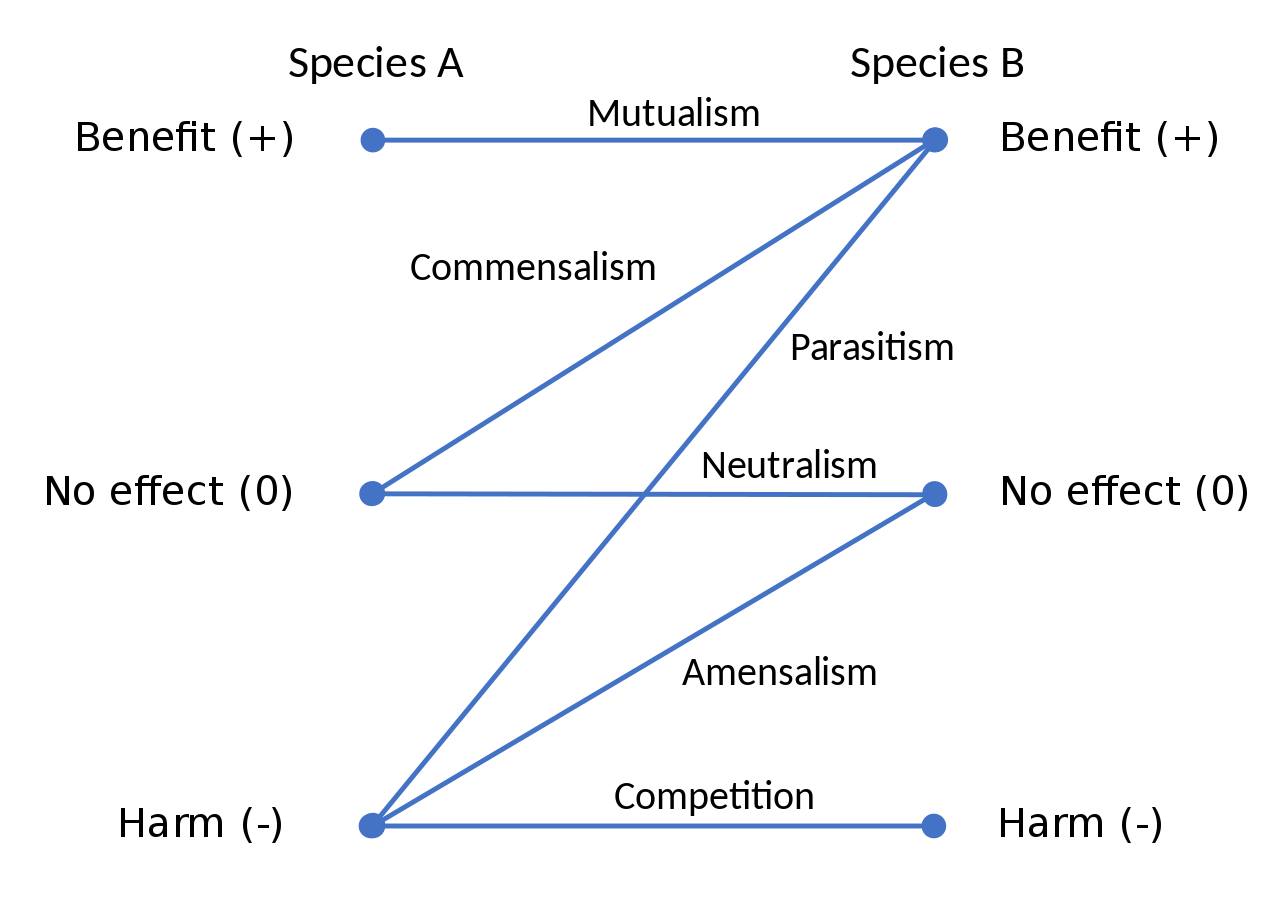
As I understand it, even in a symbiotic arrangement this effect – harm to the practitioner and harm to the non-practitioner, is classified as competition –
We could use “Internecitic Religion” pulling from “internecine: destructive to both sides”. –
Internecitic Religion – harm to the practitioner and harm to the non-practitioner
And for completeness add – Neutralitic Religion – no benefit to the practitioner and no cost to the non-practitioner
Bill Joslin:
To point out the obvious, this isn’t specific to just religion but maps the calculation of reciprocity – its the algorithmic map of natural law.
Luke Weinhagen:
Yeah, it just came up in the conversation about religion so that is what I started with in its application – if it holds up I can see it being useful in many ways.
Check out the link above and read the first comment – I am trying to flesh out a bit of the scope. Help/feedback is appreciated.
Bill Joslin:
The one element that’s missing is porportionality
(man this is fantastic)
Luke Weinhagen:
Missing proportionality is part of why I am suggesting symbiosis may be a superior frame to compatibility.
The ratios/proportions are not static. Each discovery opens up new opportunities for decidability, each decision under decidability opens up new possibilities for interaction that step into what we do not know that we do not know. The interplay is always fluid at the limits.
Bill Joslin:
I was thinking something similar. initially i was gazing at the graphic wondering if disproportionate reciprocity would simply be a means falling back to another category. for example a disproportionate mutualism would be calculated as commensalism. but this doesn’t work, because the calculation would be that of opportunity cost, and we can’t calculate a foregone cost. so now I’m not sure proportionality is required. as long as the option of returning to neutralism is preserved (right of disassociation, preserve the right to defect of boycott) then market forces would naturally approximate proportionality (so there isn’t a need to calculate porportion)
Bill Joslin:
And further to that, the calculation of harm vs benefit, being one of cost benefit (whereby asymmetric benefit being benefit, and asymmetric cost being harm) would fill this calculation gap
Luke Weinhagen:
Exactly – “market forces would naturally approximate proportionality (so there isn’t a need to calculate porportion)” <- this is exactly where I was going.
Bill Joslin:
So afaics this might be a complete graph of natural law
Luke Weinhagen
Introduces graceful failure to resolving market entry and market exit
(also addresses a possible “why” people have such a strong intuition for the necessity of belief systems as it demonstrates that role in this graceful failure into and out of markets)
Bill Joslin:
Religion, from an evolutionary stand point may have been the first means by which we made these calculation – or at least religions that survived did so because it afforded an intuition on calculating reciprocity (but also maybe included ways of compensating for irreciprocity)…
So maybe the argument that humans have evolved religiosity may actually not have anything to do with religion but rather to have a system to calculate these transactions and also for systems of graceful failure, which we view as religiosity.
[image: By Ian Alexander – Own work, CC BY-SA 4.0, https://commons.wikimedia.org/w/index.php?curid=71067142]
https://www.facebook.com/luke.weinhagen/posts/10218928910706454PHILOSOPHY BEING MADE….
Luke Weinhagen:
As I understand it, even in a symbiotic arrangement this effect – harm to the practitioner and harm to the non-practitioner, is classified as competition –
We could use “Internecitic Religion” pulling from “internecine: destructive to both sides”. –
Internecitic Religion – harm to the practitioner and harm to the non-practitioner
And for completeness add – Neutralitic Religion – no benefit to the practitioner and no cost to the non-practitioner
Bill Joslin:
To point out the obvious, this isn’t specific to just religion but maps the calculation of reciprocity – its the algorithmic map of natural law.
Luke Weinhagen:
Yeah, it just came up in the conversation about religion so that is what I started with in its application – if it holds up I can see it being useful in many ways.
Check out the link above and read the first comment – I am trying to flesh out a bit of the scope. Help/feedback is appreciated.
Bill Joslin:
The one element that’s missing is porportionality
(man this is fantastic)
Luke Weinhagen:
Missing proportionality is part of why I am suggesting symbiosis may be a superior frame to compatibility.
The ratios/proportions are not static. Each discovery opens up new opportunities for decidability, each decision under decidability opens up new possibilities for interaction that step into what we do not know that we do not know. The interplay is always fluid at the limits.
Bill Joslin:
I was thinking something similar. initially i was gazing at the graphic wondering if disproportionate reciprocity would simply be a means falling back to another category. for example a disproportionate mutualism would be calculated as commensalism. but this doesn’t work, because the calculation would be that of opportunity cost, and we can’t calculate a foregone cost. so now I’m not sure proportionality is required. as long as the option of returning to neutralism is preserved (right of disassociation, preserve the right to defect of boycott) then market forces would naturally approximate proportionality (so there isn’t a need to calculate porportion)
Bill Joslin:
And further to that, the calculation of harm vs benefit, being one of cost benefit (whereby asymmetric benefit being benefit, and asymmetric cost being harm) would fill this calculation gap
Luke Weinhagen:
Exactly – “market forces would naturally approximate proportionality (so there isn’t a need to calculate porportion)” <- this is exactly where I was going.
Bill Joslin:
So afaics this might be a complete graph of natural law
Luke Weinhagen
Introduces graceful failure to resolving market entry and market exit
(also addresses a possible “why” people have such a strong intuition for the necessity of belief systems as it demonstrates that role in this graceful failure into and out of markets)
Bill Joslin:
Religion, from an evolutionary stand point may have been the first means by which we made these calculation – or at least religions that survived did so because it afforded an intuition on calculating reciprocity (but also maybe included ways of compensating for irreciprocity)…
So maybe the argument that humans have evolved religiosity may actually not have anything to do with religion but rather to have a system to calculate these transactions and also for systems of graceful failure, which we view as religiosity.
[image: By Ian Alexander – Own work, CC BY-SA 4.0, https://commons.wikimedia.org/w/index.php?curid=71067142]
Source date (UTC): 2020-02-13 14:33:00 UTC