Theology to escape choice, philosophy to choose, science to decide.
Theme: Truth
-
Three
-
IS PROPERTARIANISM A COMPLETION OF THE HEGELIAN PROJECT? by Ryan Drummond I ofte
IS PROPERTARIANISM A COMPLETION OF THE HEGELIAN PROJECT?
by Ryan Drummond
I often see P as a…completion, almost, of Hegel’s work, without the room for logical error (and the dirty path to Marxism opening as a result). His model, as you’ll see, touches on many truths. Only it is nowhere near as advanced as P, grammatically or scientifically.
Basically, Hegel made an effort to come to what might be considered a “total” understanding of philosophy and existence – much like yourself. Only he wrote using all resources available to him in the late 1700’s/early 1800’s.
So a lot of his understandings are premature, not scientifically accurate, and lie in the realm of honest speculation etc.
He had the concept that through logic, nature and human consciousness, God could be considered real but not definable. That we could know of it, but not know It. So he called God, or the universal absolute, “The Idea”.
This “Idea”, he said, could be realised through dialectic…and as dialectic occurs both in the natural realm and within the human psyche, it would be our inevitable path to eventually reach it.
This is where the problems come in – because he wrote of dialectic in such wishy-washy prose, and used language that hardly anyone could decipher accurately enough to take consistent meaning from, there were basically two schools born from his ideas, both offering an “Idea” that could be seemingly supported by varying ‘interpretations’ of his work, whereby an ideal could be theoretically reached.
One path was through what we would now call Marxism, I suppose, where equality reigns supreme…dysgenia through eugenic ideals (The false, yet morally appeasing way at odds with natural law but not at odds with human consciousness).
During Hegel’s time advocates of this kind of philosophy, later to be characterised by Marx, were known as young Hegelians. It was another example of the young generation wanting to usurp the old guard.
The other path, to me at least, appears to be very much like P – Eugenia through eugenic ideals (the true, yet sometimes morally disturbing way – not at odds with natural law, but often found to be at odds with human consciousness and what we see, at our earthly level, to be right or wrong).
Advocates of this school were the ‘gammon’ of the day, so to speak: Old Hegelians.
So from Hegelian philosophy we ended up with the two behemoths we see at war today, really – Marxism/The Left/Dysgenia proper, and it’s nemesis Fascism/The Right/Eugenia proper.
Had he written his philosophy as concisely as P, I don’t believe that there would have been room for Marxism to ever exist within it’s bounds, and gain a foothold in the minds of the population.
P is ‘essentially’ Old Hegelianism + Accurate terminology + Scientific Justification + So much more.
Had he done the job he set out to do properly (I believe he always intended his work to be interpreted the Right way, so to speak), we wouldn’t have found ourselves in the mess we are in today.
Your work basically completes his initial goal, only doesn’t use wishy-washy, unknowable language, but language of almost mathematical precision and meaning.
You finish the job he started. You’ve created the total philosophy I believe he envisaged in some way.
But creating it and applying it are two different things. Especially from the position we are in now. He often wrote of the French Revolution that humanity had taken a bright dawn and turned it into a dusk. If he witnessed a dusk, then we must exist in the early hours of the morning. It’s cold and dark.
But if we can overcome the hurdles in front of us, we will push humanity to Godhood. We will realise The Idea. We can beat the red queen, or get so damn close to it we can be proud of our efforts.
I hope that clarifies a little where I get the connections to Hegelian philosophy from.
That, and he was addicted to using trinities to explain everything. You do the same thing, really, through P, only do it all more accurately.
If Old Hegelian philosophy was the child, P is the man it could be considered to grow up to become.
Source date (UTC): 2020-02-13 15:42:00 UTC
-
Is Propertarianism a Completion of the Hegelian Project?
Feb 13, 2020, 3:42 PM IS PROPERTARIANISM A COMPLETION OF THE HEGELIAN PROJECT? by Ryan Drummond [I] often see P as a…completion, almost, of Hegel’s work, without the room for logical error (and the dirty path to Marxism opening as a result). His model, as you’ll see, touches on many truths. Only it is nowhere near as advanced as P, grammatically or scientifically. Basically, Hegel made an effort to come to what might be considered a “total” understanding of philosophy and existence – much like yourself. Only he wrote using all resources available to him in the late 1700’s/early 1800’s. So a lot of his understandings are premature, not scientifically accurate, and lie in the realm of honest speculation etc. He had the concept that through logic, nature and human consciousness, God could be considered real but not definable. That we could know of it, but not know It. So he called God, or the universal absolute, “The Idea”. This “Idea”, he said, could be realised through dialectic…and as dialectic occurs both in the natural realm and within the human psyche, it would be our inevitable path to eventually reach it. This is where the problems come in – because he wrote of dialectic in such wishy-washy prose, and used language that hardly anyone could decipher accurately enough to take consistent meaning from, there were basically two schools born from his ideas, both offering an “Idea” that could be seemingly supported by varying ‘interpretations’ of his work, whereby an ideal could be theoretically reached. One path was through what we would now call Marxism, I suppose, where equality reigns supreme…dysgenia through eugenic ideals (The false, yet morally appeasing way at odds with natural law but not at odds with human consciousness). During Hegel’s time advocates of this kind of philosophy, later to be characterised by Marx, were known as young Hegelians. It was another example of the young generation wanting to usurp the old guard. The other path, to me at least, appears to be very much like P – Eugenia through eugenic ideals (the true, yet sometimes morally disturbing way – not at odds with natural law, but often found to be at odds with human consciousness and what we see, at our earthly level, to be right or wrong). Advocates of this school were the ‘gammon’ of the day, so to speak: Old Hegelians. So from Hegelian philosophy we ended up with the two behemoths we see at war today, really – Marxism/The Left/Dysgenia proper, and it’s nemesis Fascism/The Right/Eugenia proper. Had he written his philosophy as concisely as P, I don’t believe that there would have been room for Marxism to ever exist within it’s bounds, and gain a foothold in the minds of the population. P is ‘essentially’ Old Hegelianism + Accurate terminology + Scientific Justification + So much more. Had he done the job he set out to do properly (I believe he always intended his work to be interpreted the Right way, so to speak), we wouldn’t have found ourselves in the mess we are in today. Your work basically completes his initial goal, only doesn’t use wishy-washy, unknowable language, but language of almost mathematical precision and meaning. You finish the job he started. You’ve created the total philosophy I believe he envisaged in some way. But creating it and applying it are two different things. Especially from the position we are in now. He often wrote of the French Revolution that humanity had taken a bright dawn and turned it into a dusk. If he witnessed a dusk, then we must exist in the early hours of the morning. It’s cold and dark. But if we can overcome the hurdles in front of us, we will push humanity to Godhood. We will realise The Idea. We can beat the red queen, or get so damn close to it we can be proud of our efforts. I hope that clarifies a little where I get the connections to Hegelian philosophy from. That, and he was addicted to using trinities to explain everything. You do the same thing, really, through P, only do it all more accurately. If Old Hegelian philosophy was the child, P is the man it could be considered to grow up to become.
-
Is Propertarianism a Completion of the Hegelian Project?
Feb 13, 2020, 3:42 PM IS PROPERTARIANISM A COMPLETION OF THE HEGELIAN PROJECT? by Ryan Drummond [I] often see P as a…completion, almost, of Hegel’s work, without the room for logical error (and the dirty path to Marxism opening as a result). His model, as you’ll see, touches on many truths. Only it is nowhere near as advanced as P, grammatically or scientifically. Basically, Hegel made an effort to come to what might be considered a “total” understanding of philosophy and existence – much like yourself. Only he wrote using all resources available to him in the late 1700’s/early 1800’s. So a lot of his understandings are premature, not scientifically accurate, and lie in the realm of honest speculation etc. He had the concept that through logic, nature and human consciousness, God could be considered real but not definable. That we could know of it, but not know It. So he called God, or the universal absolute, “The Idea”. This “Idea”, he said, could be realised through dialectic…and as dialectic occurs both in the natural realm and within the human psyche, it would be our inevitable path to eventually reach it. This is where the problems come in – because he wrote of dialectic in such wishy-washy prose, and used language that hardly anyone could decipher accurately enough to take consistent meaning from, there were basically two schools born from his ideas, both offering an “Idea” that could be seemingly supported by varying ‘interpretations’ of his work, whereby an ideal could be theoretically reached. One path was through what we would now call Marxism, I suppose, where equality reigns supreme…dysgenia through eugenic ideals (The false, yet morally appeasing way at odds with natural law but not at odds with human consciousness). During Hegel’s time advocates of this kind of philosophy, later to be characterised by Marx, were known as young Hegelians. It was another example of the young generation wanting to usurp the old guard. The other path, to me at least, appears to be very much like P – Eugenia through eugenic ideals (the true, yet sometimes morally disturbing way – not at odds with natural law, but often found to be at odds with human consciousness and what we see, at our earthly level, to be right or wrong). Advocates of this school were the ‘gammon’ of the day, so to speak: Old Hegelians. So from Hegelian philosophy we ended up with the two behemoths we see at war today, really – Marxism/The Left/Dysgenia proper, and it’s nemesis Fascism/The Right/Eugenia proper. Had he written his philosophy as concisely as P, I don’t believe that there would have been room for Marxism to ever exist within it’s bounds, and gain a foothold in the minds of the population. P is ‘essentially’ Old Hegelianism + Accurate terminology + Scientific Justification + So much more. Had he done the job he set out to do properly (I believe he always intended his work to be interpreted the Right way, so to speak), we wouldn’t have found ourselves in the mess we are in today. Your work basically completes his initial goal, only doesn’t use wishy-washy, unknowable language, but language of almost mathematical precision and meaning. You finish the job he started. You’ve created the total philosophy I believe he envisaged in some way. But creating it and applying it are two different things. Especially from the position we are in now. He often wrote of the French Revolution that humanity had taken a bright dawn and turned it into a dusk. If he witnessed a dusk, then we must exist in the early hours of the morning. It’s cold and dark. But if we can overcome the hurdles in front of us, we will push humanity to Godhood. We will realise The Idea. We can beat the red queen, or get so damn close to it we can be proud of our efforts. I hope that clarifies a little where I get the connections to Hegelian philosophy from. That, and he was addicted to using trinities to explain everything. You do the same thing, really, through P, only do it all more accurately. If Old Hegelian philosophy was the child, P is the man it could be considered to grow up to become.
-
photos_and_videos/TimelinePhotos_kg5QueHwVw/84618660_206573627407465_54729035663
photos_and_videos/TimelinePhotos_kg5QueHwVw/84618660_206573627407465_547290356631207936_o_206573620740799.jpg PHILOSOPHY BEING MADE….
Luke Weinhagen:
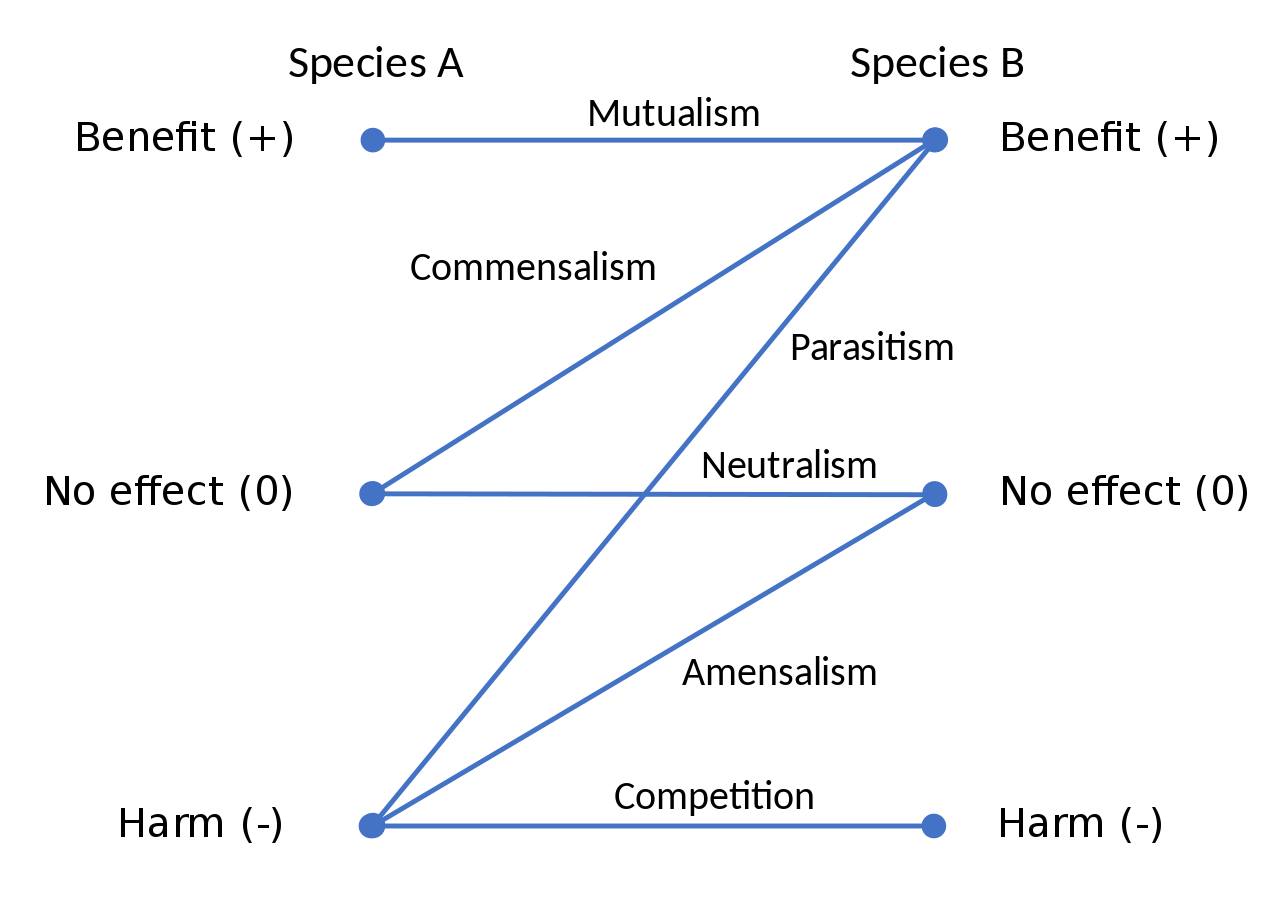
As I understand it, even in a symbiotic arrangement this effect – harm to the practitioner and harm to the non-practitioner, is classified as competition –
We could use “Internecitic Religion” pulling from “internecine: destructive to both sides”. –
Internecitic Religion – harm to the practitioner and harm to the non-practitioner
And for completeness add – Neutralitic Religion – no benefit to the practitioner and no cost to the non-practitioner
Bill Joslin:
To point out the obvious, this isn’t specific to just religion but maps the calculation of reciprocity – its the algorithmic map of natural law.
Luke Weinhagen:
Yeah, it just came up in the conversation about religion so that is what I started with in its application – if it holds up I can see it being useful in many ways.
Check out the link above and read the first comment – I am trying to flesh out a bit of the scope. Help/feedback is appreciated.
Bill Joslin:
The one element that’s missing is porportionality
(man this is fantastic)
Luke Weinhagen:
Missing proportionality is part of why I am suggesting symbiosis may be a superior frame to compatibility.
The ratios/proportions are not static. Each discovery opens up new opportunities for decidability, each decision under decidability opens up new possibilities for interaction that step into what we do not know that we do not know. The interplay is always fluid at the limits.
Bill Joslin:
I was thinking something similar. initially i was gazing at the graphic wondering if disproportionate reciprocity would simply be a means falling back to another category. for example a disproportionate mutualism would be calculated as commensalism. but this doesn’t work, because the calculation would be that of opportunity cost, and we can’t calculate a foregone cost. so now I’m not sure proportionality is required. as long as the option of returning to neutralism is preserved (right of disassociation, preserve the right to defect of boycott) then market forces would naturally approximate proportionality (so there isn’t a need to calculate porportion)
Bill Joslin:
And further to that, the calculation of harm vs benefit, being one of cost benefit (whereby asymmetric benefit being benefit, and asymmetric cost being harm) would fill this calculation gap
Luke Weinhagen:
Exactly – “market forces would naturally approximate proportionality (so there isn’t a need to calculate porportion)” <- this is exactly where I was going.
Bill Joslin:
So afaics this might be a complete graph of natural law
Luke Weinhagen
Introduces graceful failure to resolving market entry and market exit
(also addresses a possible “why” people have such a strong intuition for the necessity of belief systems as it demonstrates that role in this graceful failure into and out of markets)
Bill Joslin:
Religion, from an evolutionary stand point may have been the first means by which we made these calculation – or at least religions that survived did so because it afforded an intuition on calculating reciprocity (but also maybe included ways of compensating for irreciprocity)…
So maybe the argument that humans have evolved religiosity may actually not have anything to do with religion but rather to have a system to calculate these transactions and also for systems of graceful failure, which we view as religiosity.[image: By Ian Alexander – Own work, CC BY-SA 4.0, https://commons.wikimedia.org/w/index.php?curid=71067142]
https://www.facebook.com/luke.weinhagen/posts/10218928910706454PHILOSOPHY BEING MADE….
Luke Weinhagen:
As I understand it, even in a symbiotic arrangement this effect – harm to the practitioner and harm to the non-practitioner, is classified as competition –
We could use “Internecitic Religion” pulling from “internecine: destructive to both sides”. –
Internecitic Religion – harm to the practitioner and harm to the non-practitioner
And for completeness add – Neutralitic Religion – no benefit to the practitioner and no cost to the non-practitioner
Bill Joslin:
To point out the obvious, this isn’t specific to just religion but maps the calculation of reciprocity – its the algorithmic map of natural law.
Luke Weinhagen:
Yeah, it just came up in the conversation about religion so that is what I started with in its application – if it holds up I can see it being useful in many ways.
Check out the link above and read the first comment – I am trying to flesh out a bit of the scope. Help/feedback is appreciated.
Bill Joslin:
The one element that’s missing is porportionality
(man this is fantastic)
Luke Weinhagen:
Missing proportionality is part of why I am suggesting symbiosis may be a superior frame to compatibility.
The ratios/proportions are not static. Each discovery opens up new opportunities for decidability, each decision under decidability opens up new possibilities for interaction that step into what we do not know that we do not know. The interplay is always fluid at the limits.
Bill Joslin:
I was thinking something similar. initially i was gazing at the graphic wondering if disproportionate reciprocity would simply be a means falling back to another category. for example a disproportionate mutualism would be calculated as commensalism. but this doesn’t work, because the calculation would be that of opportunity cost, and we can’t calculate a foregone cost. so now I’m not sure proportionality is required. as long as the option of returning to neutralism is preserved (right of disassociation, preserve the right to defect of boycott) then market forces would naturally approximate proportionality (so there isn’t a need to calculate porportion)
Bill Joslin:
And further to that, the calculation of harm vs benefit, being one of cost benefit (whereby asymmetric benefit being benefit, and asymmetric cost being harm) would fill this calculation gap
Luke Weinhagen:
Exactly – “market forces would naturally approximate proportionality (so there isn’t a need to calculate porportion)” <- this is exactly where I was going.
Bill Joslin:
So afaics this might be a complete graph of natural law
Luke Weinhagen
Introduces graceful failure to resolving market entry and market exit
(also addresses a possible “why” people have such a strong intuition for the necessity of belief systems as it demonstrates that role in this graceful failure into and out of markets)
Bill Joslin:
Religion, from an evolutionary stand point may have been the first means by which we made these calculation – or at least religions that survived did so because it afforded an intuition on calculating reciprocity (but also maybe included ways of compensating for irreciprocity)…
So maybe the argument that humans have evolved religiosity may actually not have anything to do with religion but rather to have a system to calculate these transactions and also for systems of graceful failure, which we view as religiosity.
[image: By Ian Alexander – Own work, CC BY-SA 4.0, https://commons.wikimedia.org/w/index.php?curid=71067142]
Source date (UTC): 2020-02-13 14:33:00 UTC
-
Theology to escape choice, philosophy to choose, science to decide
Theology to escape choice, philosophy to choose, science to decide.
Source date (UTC): 2020-02-13 11:24:00 UTC
-
What is the purpose of GSRRM? Truth suppression. And why do they suppress the tr
What is the purpose of GSRRM? Truth suppression. And why do they suppress the truth of human differences? Truth suppression. And why? Theft. And why? Dysgenia.
Source date (UTC): 2020-02-13 10:29:00 UTC
-
Under P-Law suppression of truth by GSRRM is illegal
Under P-Law suppression of truth by GSRRM is illegal.
Source date (UTC): 2020-02-13 10:28:00 UTC
-
“Free speech is free TRUTHFUL speech. Not carte blanche to spread false allegati
—“Free speech is free TRUTHFUL speech. Not carte blanche to spread false allegations, lies, deception, or accusations without a demonstrated attempt at due diligence for truth. You don’t get to be a lying parasite. Your resistance proves your desire for continued parasitism. Under P-Law, truthful speech is always protected. P-Law serves as the Raid for lying deceitful parasites that the left tends to breed like roaches. Your continued slander proves only that you have no real invested time in learning Propertarianism, or do not have the cranial capacity to fully understand Propertarianism. Neither are a good excuse to troll these pages with your ill conceived illogical commentary on a subject matter you clearly have no understanding of… ..”—Clinton McLaggan
Source date (UTC): 2020-02-13 07:52:00 UTC
-
THE PRESUMPTIONS IN DISCOURSE AND ARGUMENT IN THE POSITIVA AND NEGATIVA TRADITIO
THE PRESUMPTIONS IN DISCOURSE AND ARGUMENT IN THE POSITIVA AND NEGATIVA TRADITIONS
I would rather let this conversation go forward without my interjection to let the team demonstrate their skills but to save time
0) I use falsification. Falsification in science, evolved from falsification by contest (competition, adversarial) in european law. And falsification by adversarial competition in law is our oldest continuous political tradition after sovereignty.
1) I do not presume people have agency, or that they have other than the minimum consciousness and self reflection and self regulation to engage in negotiation deception, parasitism and predation to minimize the costs of obtaining wants and needs by productive voluntary exchange (people only demonstrate the minimum morality necessary to act in their interests.)
2) I do not presume that people seek truth but that people seek to justify priors, to lie, or sow social constructions for manipulation in pursuit of a discount, to engage in fraud, or to engage, or to conspire.
3) I do not presume when I dont know the answer – I say something from the spectrum “We don’t know, I don’t know yet”, or as far as I know, or “we only know x so far”, or” we only know x so far and these possibilities are consistent with what we know so far”, or as far as I know thats false, or that can’t be true – as that is the only truthful testimony I can give.
4) The history of all thought consists of the history of falsification of all causal claims other than realism naturalism under operationalism
5) All alternatives, all knowledge claims that are consistent with failure of all alternatives to realism, naturalism, under operationalism, must depend on some incentive other than “we don’t know yet, but all causality will depend upon realism, naturalization under operationalism”.
6) while we can testify to causes of real ism naturalism operationalism and empiricism including subjective testing of incentives (rational choice), we cannot possibly testify to any claim that is not dependent upon realism, naturalism, under operationalism, because we cannot claim to have that knowledge,
7) If we can identify incentive, meaning, means motive and opportunity, for giving false testimony, by claiming the untestifiable then there is nothing else to determine – the person is lying.
8) In other words, theology and philosophy, negotiation and chit chat (exchange of signals of safety) seek opportunity for agreement or consent by means motive and opportunity, while, mathematics, logic, science, and law seek opportunity for falsification or decidability in dispute resolution by means motive and opportunity.
In other words, if you can’t testify to a claim you’re starting out informing, negotiating, persuading, threatening by lying. Now, in a public forum at distance without direct physical contact I can’t engage in physical punishment for lying. But as a european man, defending the informational commons, i do the best I can in by prose.
Source date (UTC): 2020-02-12 21:16:00 UTC