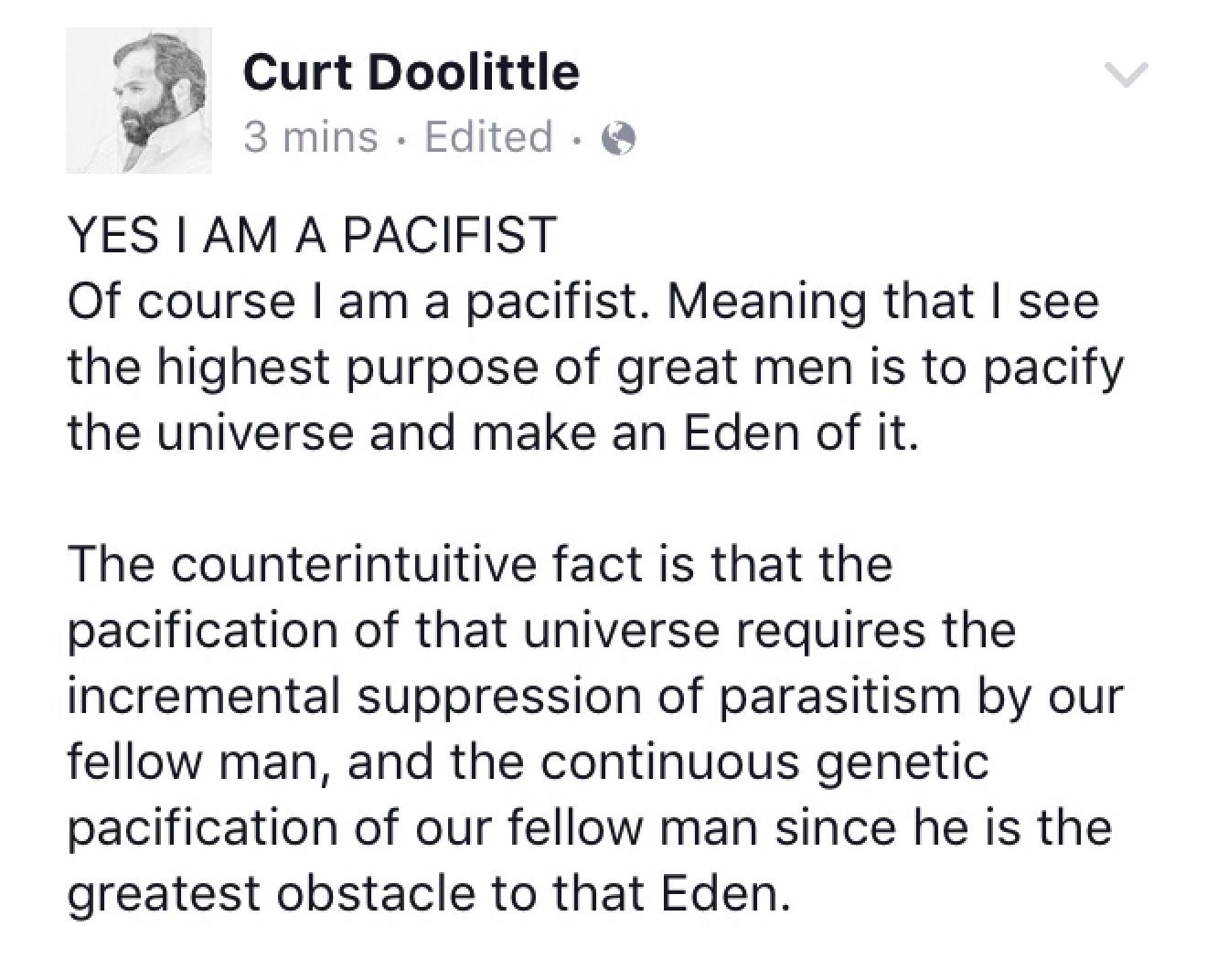
photos_and_videos/TimelinePhotos_43196237263/28235122_10156157555237264_627741177381892060_o_10156157555237264.jpg Neil A. Bucklewno different than pulling weeds from the garden.Feb 25, 2018 2:05pmMea CulbaPls discribe ‘Eden’, as if I see it?Feb 25, 2018 4:10pmMegan K. UsuiHow is Curt (and Duchesne’s) Eden different than Peterson’s?Feb 25, 2018 10:48pmLeonard RuggieroKinda like a master race?Feb 26, 2018 8:31am
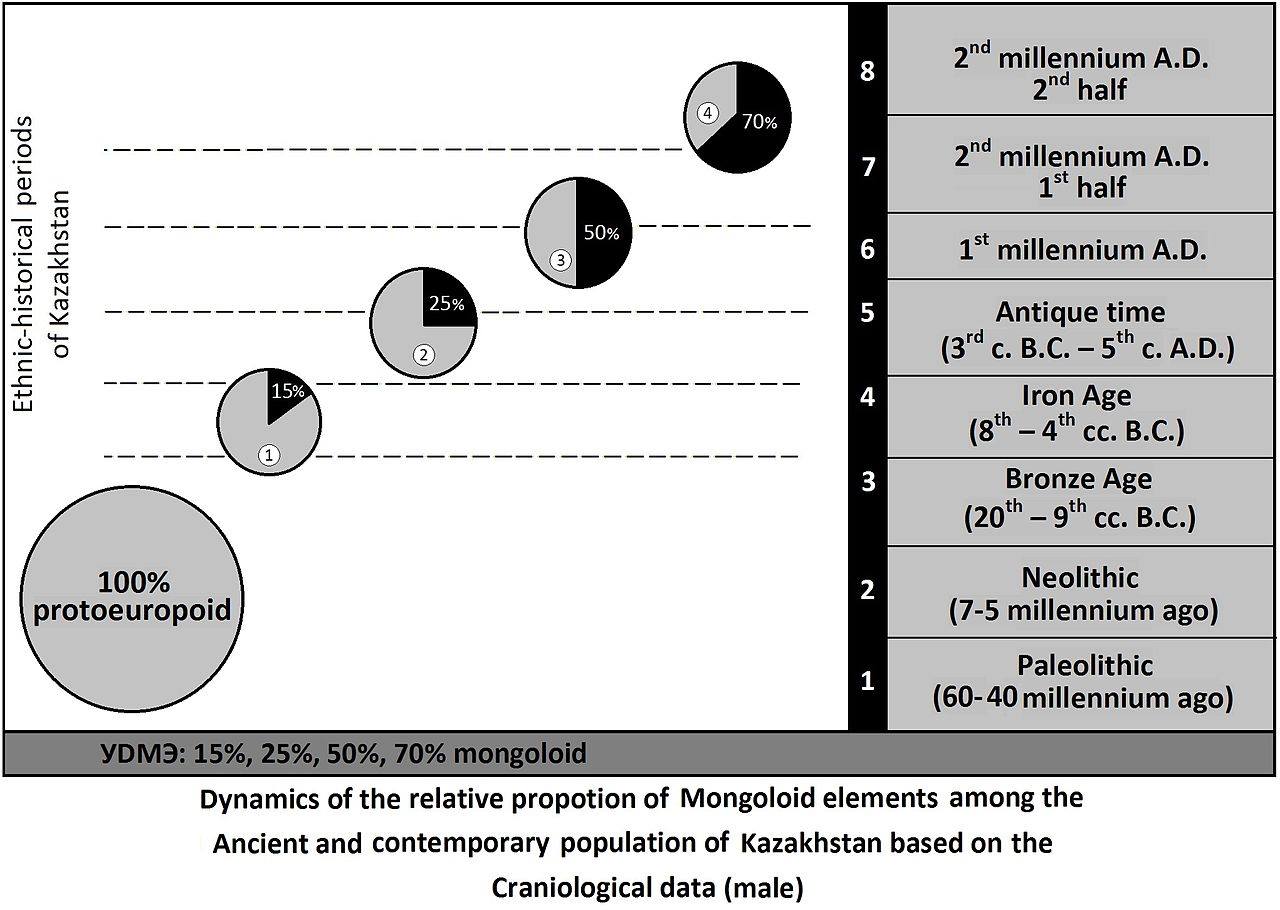
photos_and_videos/TimelinePhotos_43196237263/28336676_10156157552027264_6584371858146365426_o_10156157552027264.jpg THE DEATH OF THE EASTERN ARYANS THROUGH DIVERSITY
by Alexander Zavialov
The entire history of the East Aryans is an absolutely unfathomable tragedy. They went from being the masters of the world – inventing the wagon, the chariot and innovating in metalworking and warfare – to exogamous fools who shared their technology as frivolously as they shared their genes. By the time the West Roman Empire fell, they went extinct by their own hands.Neil A. Bucklewthe first thing we did after inventing the air plane was share it with everyone.Feb 25, 2018 1:34pmSimon StrömF A U S T I A NFeb 25, 2018 3:55pmWilliam L. BengeLacking better technology, Alexander’s empire was reliant on the willfulness, spirit and marshal/intellectual prowess of remote agents. A thousand times a day and in as many ways the West’s careful hold on power could go awry.
Meanwhile, local tribalism, esoteric and invisible, was forever at the advantage of organizing budgetary measures through operating cabals intent on building up secret reserves and to employ a program of subterfuge and deception for a long and drawn out recourse.
Death by a thousand cuts.
Note today is different at least with respect to technology, meaning a remote agent is no longer remote. For the same reason, no secret cabal can realistically expect to operate secretively.
The shoe is now on the other foot!
That’s why I believe the pendulum could swing back to western expansionism diplomatically, backed up by a new more atomized military; light, fleet, swift, super efficient, fierce and effective. []Feb 25, 2018 3:55pmDeenot YeboemSame with food stamps. They went extinct when I applied for them.Feb 25, 2018 8:30pmIsaac Post@[100002847260764:2048:Alexander Peplow] RIP the KazahksFeb 26, 2018 3:50pmTHE DEATH OF THE EASTERN ARYANS THROUGH DIVERSITY
by Alexander Zavialov
The entire history of the East Aryans is an absolutely unfathomable tragedy. They went from being the masters of the world – inventing the wagon, the chariot and innovating in metalworking and warfare – to exogamous fools who shared their technology as frivolously as they shared their genes. By the time the West Roman Empire fell, they went extinct by their own hands.
photos_and_videos/TimelinePhotos_43196237263/28424247_10156157523942264_1722161048202258663_o_10156157523942264.jpg Neil A. Bucklewthe virus is partly conceptual. it is not contagious in the normal sense, but there is clearly vectors associated with its spread. the core is seems to be the education system and it flows through and is magnified by the whole of modern media.Feb 25, 2018 1:38pmRoss LampersI want this as a bumper sticker.Feb 25, 2018 3:26pmJames CohenSome of them have 115IQs.Feb 25, 2018 4:39pm
In the end, Indo Europeans went under (were destroyed) wherever they failed to supplant the host population; the biggest contrast being Britain – where the entire host population was wiped out – and basically all Indo-Iranian cultures – where the host population took over and kept only the religion and the languages of their former masters.
WHY I WRITE NATURAL LAW (SCIENCE) NOT PHILOSOPHY (CHOICE).
Human nature invests minimum to gain maximum and is quite lazy when it comes to unnecessary precision, but then attempts to use imprecise terms (and ideas) to solve precise problems.
Human experties in sciences (deflationary grammars) serves to deflate any given level of abstraction. I have a chart you need to see.
I understand the unification of the sciences and I think plenty of other people do – but it’s just very different from what we’d expected.
—“the inference would be that a corresponding language of specificity would be a part of that.”—
Well, exactly.
–“However, that is not why we have failed at achieving”—
The reason we failed is that there is a market for agency via deception (non-correspondence, inconsistency, and in-coherence), just as much as there is a market for agency via truthfulness(correspondence, consistency, and coherence).
Ergo, just as we have eliminated the markets for violence, theft, fraud, free riding, etc, we can eliminate the market for falsehoods: by law. The problem was (and is no longer) a criteria for warranty of due diligence against falsehood of information entered intot he informational commons.
In other words, I’m not ‘selling’. I’m not interested in convincing people that crime is crime, only in producing law that states what crime is, and therefore outlaws it.
People will then respond accordingly – as they always have done – to incremental suppression of parasitism.
And that is the means by which we have produced civilization: the incremental suppression of parasitism through the incremental expansion of the law, by the discovery and cataloging the means by which man engages in parasitism.
So I am not really writing philosophy (choice and preference), but law (necessity and truth).
Hence my lack of concern for what ‘people think’. People have ‘thought’ that outlawing each form of parasitism was bad in every generation because it forces them into survival in the service of others in the market – and non-survival if they do not.
Pardon me for restating in language less exacting. We use Truth to create models that corresponde with reality. We use that model for heuristics.
—“definition: a heuristic, is any approach to problem solving, learning, or discovery that employs a practical method not guaranteed to be optimal or perfect, but sufficient for the immediate goals”—
We need these models for prediction so that we can make choices, and take actions, to survive.
We seek novelty to improve our models.
Novelty-seeking saves time and energy – where we use pattern recognition and our predictive power of neurons to identify where others have done the processing for us.
When we consider what someone else has said (running it through our pattern recognition and predictive “wiring”, and then integrate it into a new model) we save time/processing power that we can use for other endeavors (survival reinforcement for our genetics).
This is an efficient use of social information processing…
But, if and only if you know enough about the problem to predict someone else’s processing result has a high probability of being right.
But, it is disastrous if you have a very weak model on the subject. Because then you can be INDOCTRINATED – where a biased model can be learned (installed) and then be extraordinarily difficult to overcome with future information (novelty).
This is where we rely on experts who have processed answers for us. It is dangerous however to take answers on faith.
Without digging into their model and having done some processing on your own, you leave yourself open to have your foundations supplanted by some entities’ agenda.
You become a pawn, or sheep, or cuck…etc. e.g. you surrender your agency for a modicum of processing savings.
Being well read is an insurance policy against indoctrination (which disenfranchises your agency(freedom to make decisions for survival))
Click for video: photos_and_videos/videos/30661913_435550606935110_3330923084122895673_n_10156157336557264.mp4 THE HISTORY OF OUR PEOPLE
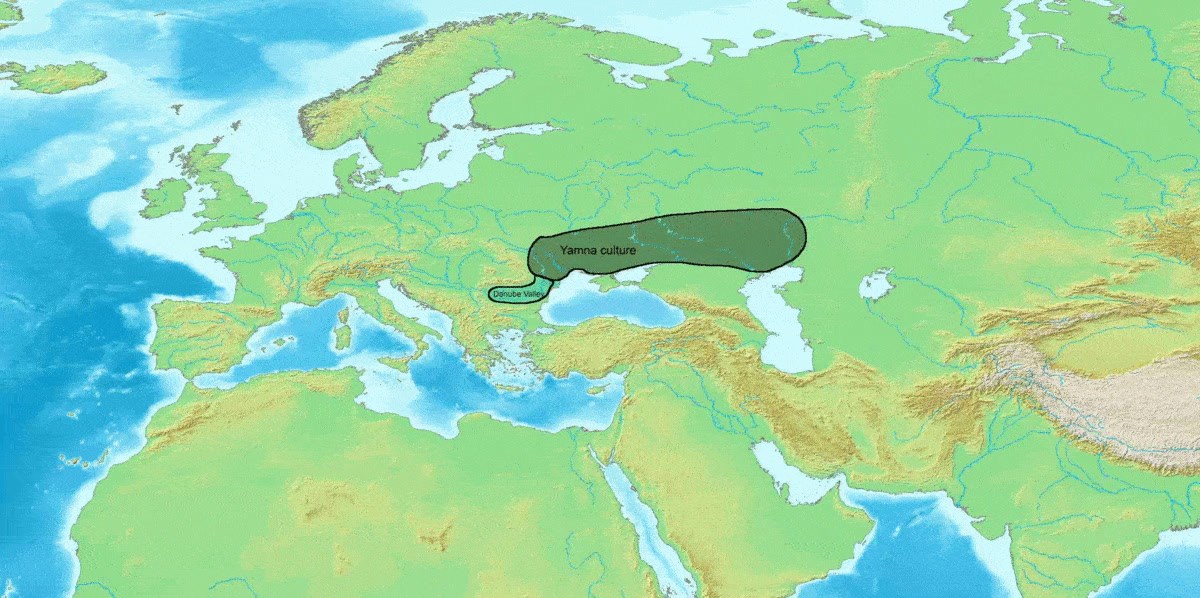
Indo-European migrations were the migrations of pastoral peoples speaking the Proto-Indo-European language, who departed from the Yamnaya and related cultures in the Pontic–Caspian steppe, starting at c. 4000 BCE. They spread throughout Europe and Asia, forming new cultures with the people they met on their way, including the Corded Ware culture in Northern Europe and the Vedic culture in India.
Modern knowledge of these migrations is based on data from (a) linguistics, (b)archaeology, (c) anthropology and (d) genetics.
a) Linguistics describes the similarities between various languages, and the linguistic laws at play in the changes in those languages.
b/c) Archaeological data, describes the spread of the Proto-Indo-European language and culture in several stages from the Proto-Indo-European Eurasian homeland in the Pontic–Caspian steppe, into Western Europe and Central and South Asia, by migrations, and by language shift through elite-recruitment as described by anthropological research.
d) Recent genetic research has a growing contribution to the understanding of the historical relations between various historical cultures.
The Indo-European languages and cultures spread in various stages.
Early migrations from c. 4200–3000 BCE brought archaic proto-Indo-European into:
1) the lower Danube valley,
2) Anatolia, and the
3) Altai region
4) Pre-Celtic and pre-Italic probably spread into Europe after new migrations into the Danube Valley,
5) While pre-Germanic and pre-Balto-Slavic developed east of the Carpathian mountains, at present-day Ukraine, moving north and spreading with the Corded Ware culture in Middle Europe (third millennium BCE).
6) The Indo-Iranian language and culture emerged at the Sintashta culture (c. 2100–1800 BCE), at the eastern border of the Yamna horizon and the Corded ware culture,growing into the Andronovo culture (c. 1800–800 BCE).
7) Indo-Aryans moved into the Bactria–Margiana Archaeological Complex (c. 2300–1700 BCE) and spread to the Levant (Mitanni), northern India (Vedic people, c. 1500 BCE), and China (Wusun).
8) The Iranian languages spread throughout the steppes with the Scyths and into Iran with the Medes, Parthians and Persians from ca. 800 BCE.
(Straight from Wikipedia. This isn’t controversial. It’s just how it is.)Kimberly Ashberry-MoxleyINTERESTING….however, thats all about to change…Mar 28, 2018 2:32amTHE HISTORY OF OUR PEOPLE
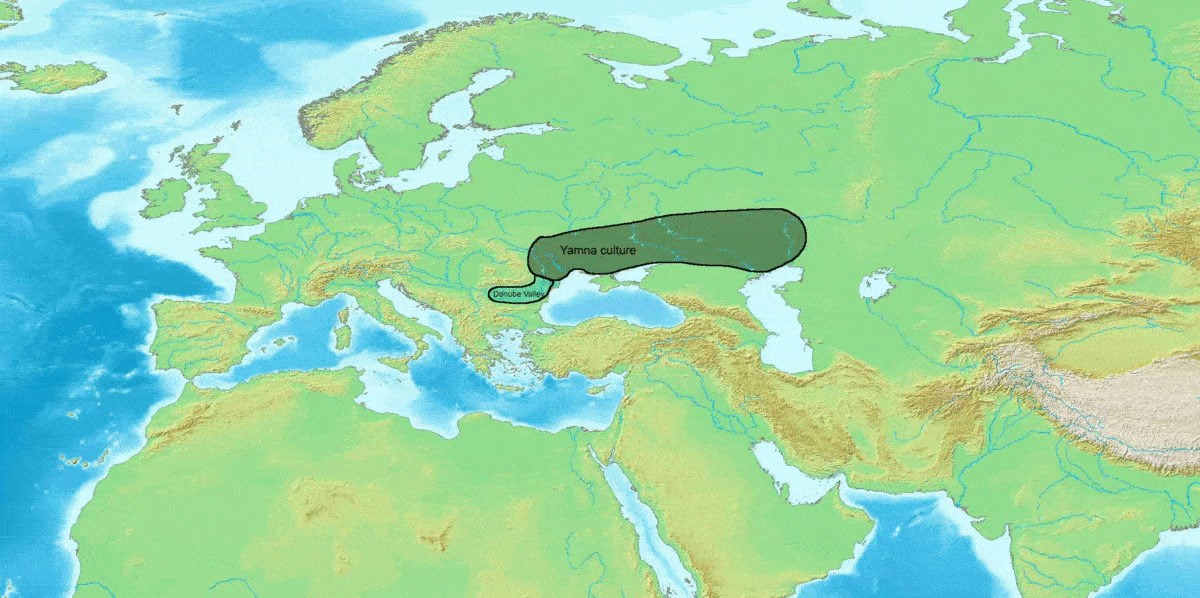
Indo-European migrations were the migrations of pastoral peoples speaking the Proto-Indo-European language, who departed from the Yamnaya and related cultures in the Pontic–Caspian steppe, starting at c. 4000 BCE. They spread throughout Europe and Asia, forming new cultures with the people they met on their way, including the Corded Ware culture in Northern Europe and the Vedic culture in India.
Modern knowledge of these migrations is based on data from (a) linguistics, (b)archaeology, (c) anthropology and (d) genetics.
a) Linguistics describes the similarities between various languages, and the linguistic laws at play in the changes in those languages.
b/c) Archaeological data, describes the spread of the Proto-Indo-European language and culture in several stages from the Proto-Indo-European Eurasian homeland in the Pontic–Caspian steppe, into Western Europe and Central and South Asia, by migrations, and by language shift through elite-recruitment as described by anthropological research.
d) Recent genetic research has a growing contribution to the understanding of the historical relations between various historical cultures.
The Indo-European languages and cultures spread in various stages.
Early migrations from c. 4200–3000 BCE brought archaic proto-Indo-European into:
1) the lower Danube valley,
2) Anatolia, and the
3) Altai region
4) Pre-Celtic and pre-Italic probably spread into Europe after new migrations into the Danube Valley,
5) While pre-Germanic and pre-Balto-Slavic developed east of the Carpathian mountains, at present-day Ukraine, moving north and spreading with the Corded Ware culture in Middle Europe (third millennium BCE).
6) The Indo-Iranian language and culture emerged at the Sintashta culture (c. 2100–1800 BCE), at the eastern border of the Yamna horizon and the Corded ware culture,growing into the Andronovo culture (c. 1800–800 BCE).
7) Indo-Aryans moved into the Bactria–Margiana Archaeological Complex (c. 2300–1700 BCE) and spread to the Levant (Mitanni), northern India (Vedic people, c. 1500 BCE), and China (Wusun).
8) The Iranian languages spread throughout the steppes with the Scyths and into Iran with the Medes, Parthians and Persians from ca. 800 BCE.
(Straight from Wikipedia. This isn’t controversial. It’s just how it is.)
Click for video: videos/33585335_971200939713942_809718436866767527_n_10156157336557264.mp4 THE HISTORY OF OUR PEOPLE
Indo-European migrations were the migrations of pastoral peoples speaking the Proto-Indo-European language, who departed from the Yamnaya and related cultures in the Pontic–Caspian steppe, starting at c. 4000 BCE. They spread throughout Europe and Asia, forming new cultures with the people they met on their way, including the Corded Ware culture in Northern Europe and the Vedic culture in India.
Modern knowledge of these migrations is based on data from (a) linguistics, (b)archaeology, (c) anthropology and (d) genetics.
a) Linguistics describes the similarities between various languages, and the linguistic laws at play in the changes in those languages.
b/c) Archaeological data, describes the spread of the Proto-Indo-European language and culture in several stages from the Proto-Indo-European Eurasian homeland in the Pontic–Caspian steppe, into Western Europe and Central and South Asia, by migrations, and by language shift through elite-recruitment as described by anthropological research.
d) Recent genetic research has a growing contribution to the understanding of the historical relations between various historical cultures.
The Indo-European languages and cultures spread in various stages.
Early migrations from c. 4200–3000 BCE brought archaic proto-Indo-European into:
1) the lower Danube valley,
2) Anatolia, and the
3) Altai region
4) Pre-Celtic and pre-Italic probably spread into Europe after new migrations into the Danube Valley,
5) While pre-Germanic and pre-Balto-Slavic developed east of the Carpathian mountains, at present-day Ukraine, moving north and spreading with the Corded Ware culture in Middle Europe (third millennium BCE).
6) The Indo-Iranian language and culture emerged at the Sintashta culture (c. 2100–1800 BCE), at the eastern border of the Yamna horizon and the Corded ware culture,growing into the Andronovo culture (c. 1800–800 BCE).
7) Indo-Aryans moved into the Bactria–Margiana Archaeological Complex (c. 2300–1700 BCE) and spread to the Levant (Mitanni), northern India (Vedic people, c. 1500 BCE), and China (Wusun).
8) The Iranian languages spread throughout the steppes with the Scyths and into Iran with the Medes, Parthians and Persians from ca. 800 BCE.
(Straight from Wikipedia. This isn’t controversial. It’s just how it is.)