Source: Facebook

  • photos_and_videos/TimelinePhotos_43196237263/35349367_10156428265112264_87474739

    photos_and_videos/TimelinePhotos_43196237263/35349367_10156428265112264_8747473970942443520_n_10156428265107264.jpg photos_and_videos/TimelinePhotos_43196237263/35347200_10156428260322264_2280705428918632448_o_10156428260312264.jpg photos_and_videos/TimelinePhotos_43196237263/35298477_10156428263427264_7732486620946890752_n_10156428263422264.jpg END THE 19th. NEVER OPEN THE BOX AGAIN….

    I am, unfortunately, firmly convinced, that women vote for whomever they are least not attracted to – and like everything else, merely justify it. Those who vote by party, vote economically.

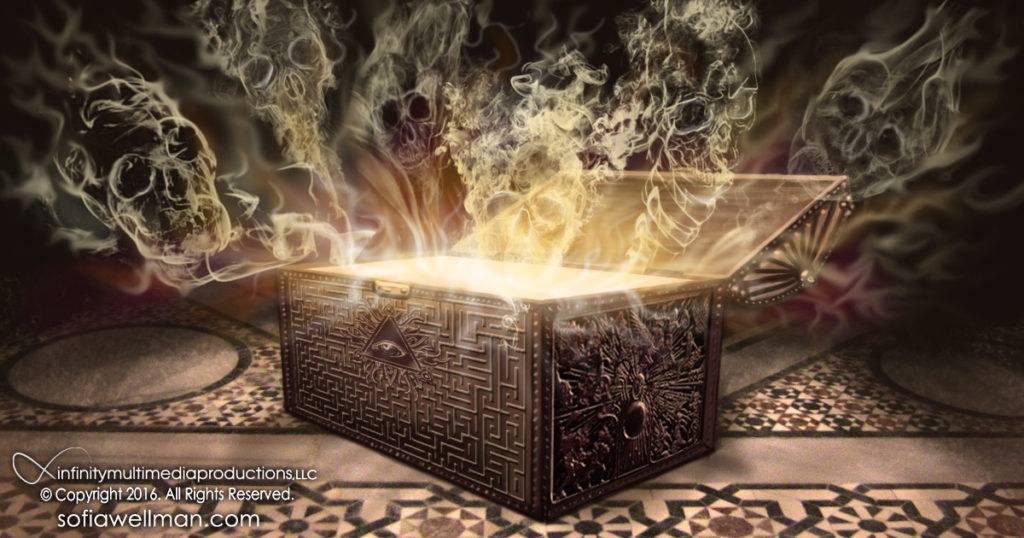
    Pandora was the horror the ancients warned us of.


    Source date (UTC): 2018-06-15 13:07:00 UTC

  • photos_and_videos/your_posts/35296881_10156428238912264_9010980445164142592_n_10

    photos_and_videos/your_posts/35296881_10156428238912264_9010980445164142592_n_10156428238907264.jpg


    Source date (UTC): 2018-06-15 12:52:00 UTC

  • photos_and_videos/GodEmperorTrumpArt_10156410406187264/35296881_1015642823891226

    photos_and_videos/GodEmperorTrumpArt_10156410406187264/35296881_10156428238912264_9010980445164142592_n_10156428238907264.jpg


    Source date (UTC): 2018-06-15 12:52:00 UTC

  • photos_and_videos/your_posts/35387789_10156428236707264_7788423673714573312_o_10

    photos_and_videos/your_posts/35387789_10156428236707264_7788423673714573312_o_10156428236697264.jpg


    Source date (UTC): 2018-06-15 12:51:00 UTC

  • photos_and_videos/GodEmperorTrumpArt_10156410406187264/35387789_1015642823670726

    photos_and_videos/GodEmperorTrumpArt_10156410406187264/35387789_10156428236707264_7788423673714573312_o_10156428236697264.jpg


    Source date (UTC): 2018-06-15 12:51:00 UTC

  • Curt Doolittle shared a post

    Curt Doolittle shared a post.


    Source date (UTC): 2018-06-15 12:47:00 UTC

  • THOR’S OAK —“Donar’s Oak (Thor’s Oak) (Donnar=Thundee) was a legendary ancient

    THOR’S OAK

    —“Donar’s Oak (Thor’s Oak) (Donnar=Thundee) was a legendary ancient tree sacred to the Germanic tribe of the Chatti, ancestors of the Hessians, and one of the most important sacred sites of the pagan Germanic peoples.

    According to the legend the tree stood at a location near the village of Geismar (today part of the town of Fritzlar) in northern Hesse, and was the main point of veneration of the Germanic deity known among the West Germanic Chatti tribes and most other Germanic tribes as ‘Donar (High German: Donner = thunder) and northern Germanics as Thor. It was deliberately chopped down in 723 and marked the beginning of the Christianization of the non-Frankish tribes of northern Germany.”—


    Source date (UTC): 2018-06-15 12:46:00 UTC

  • THE BALTICS SURVIVED ABRAHAMISM THE LONGEST: AND THEY PRESERVE OUR HISTORY —-“

    THE BALTICS SURVIVED ABRAHAMISM THE LONGEST: AND THEY PRESERVE OUR HISTORY

    —-“Based on historical data, it is estimated that there are around 2500 sacred natural sites in Estonia, the largest of them covering up to 100 hectares. Although rather exceptional among most of the technologically developed countries, in Estonia both the sacred natural sites and indigenous customs connected to them are still in use. Therefore, the heritage that is connected to sacred natural sites has great importance to the national identity and environment of Estonians.

    In collaboration between followers of Estonian native religion (Maausk) and governmental ministries, a national plan was prepared in 2008: “Sacred Natural Sites in Estonia: Study and Conservation 2008–2012” which includes about 550 hiis (sacred groves). The National Plan on Sacred Natural Sites consists of a historical overview about sacred natural sites in Estonia, a current situation analysis, and several concrete conservation measures and instructions on how to apply them. The coordinating steering committee of the Conservation Plan consist of Environment, Agriculture, Internal Affairs and Education and Research ministries, National Heritage Board and MK. The University of Tartu is the implementing agency. Measures of the Conservation Plan are designed to handle natural sanctuaries and values connected to them in all aspects.

    The Conservation Plan foresees creating a database which supports researching and managing natural sanctuaries. The database would consist of folkloric, archaeological, natural, historical and other data on sacred natural sites and provide information on the exact location, condition and form of ownership of each site.[13]”—-


    Source date (UTC): 2018-06-15 12:43:00 UTC
  • GROVES: THE CHRISTIAN DESECRATION OF THE THE SACRED. —“Sacred groves have surv

    https://en.wikipedia.org/wiki/Sacred_grovehttps://en.wikipedia.org/wiki/Sacred_groveSACRED GROVES: THE CHRISTIAN DESECRATION OF THE THE SACRED.

    —“Sacred groves have survived in the Baltic states longer than in other parts of Europe. The main Baltic Prussian sanctuary, which is also considered a sacred grove was Romowe. An important wave of destruction of sacred groves was carried out in the lands of present-day Lithuania after its Christianization in 1387, and in Samogitia in 1413. However, some groves, such as in Šventybrastis, still survive in Lithuania. A sacred grove is known as alka(s) in Lithuanian and svētbirz(i)s in Latvian. Conversely, in Estonia numerous sacred groves (hiis) have survived to the present day and have recently been protected by the government of the country.”—


    Source date (UTC): 2018-06-15 12:40:00 UTC

  • GROVES: THE CHRISTIAN DESECRATION OF THE THE SACRED. —“Sacred groves have surv

    https://en.wikipedia.org/wiki/Sacred_groveSACRED GROVES: THE CHRISTIAN DESECRATION OF THE THE SACRED.

    —“Sacred groves have survived in the Baltic states longer than in other parts of Europe. The main Baltic Prussian sanctuary, which is also considered a sacred grove was Romowe. An important wave of destruction of sacred groves was carried out in the lands of present-day Lithuania after its Christianization in 1387, and in Samogitia in 1413. However, some groves, such as in Šventybrastis, still survive in Lithuania. A sacred grove is known as alka(s) in Lithuanian and svētbirz(i)s in Latvian. Conversely, in Estonia numerous sacred groves (hiis) have survived to the present day and have recently been protected by the government of the country.”—


    Source date (UTC): 2018-06-15 12:40:00 UTC