Form: Quote Commentary

  • RT @Peter_Turchin: In another article, also published in Sci Adv, we show that t

    RT @Peter_Turchin: In another article, also published in Sci Adv, we show that the spread of cavalry warfare had huge consequences for the…


    Source date (UTC): 2023-04-02 22:14:26 UTC

    Original post: https://twitter.com/i/web/status/1642651731090702337

  • RT @Peter_Turchin: Effective horse riding making cavalry possible appeared only

    RT @Peter_Turchin: Effective horse riding making cavalry possible appeared only c. 1000 BCE. It took more than 2,000 years for this technol…


    Source date (UTC): 2023-04-02 22:14:17 UTC

    Original post: https://twitter.com/i/web/status/1642651694302412801

  • RT @Peter_Turchin: A new and very interesting study in Sci Adv found evidence of

    RT @Peter_Turchin: A new and very interesting study in Sci Adv found evidence of horse riding in Yamnaya people ca 3,000 BCE, as indicated…


    Source date (UTC): 2023-04-02 22:14:08 UTC

    Original post: https://twitter.com/i/web/status/1642651655308017670

  • RT @aakashg0: 4. Mutes & unfollows hurt All of the following hurt your engagemen

    RT @aakashg0: 4. Mutes & unfollows hurt

    All of the following hurt your engagement:

    • Mutes
    • Blocks
    • Unfollows
    • Spam reports
    • Abuse re…


    Source date (UTC): 2023-04-02 14:47:41 UTC

    Original post: https://twitter.com/i/web/status/1642539302427959299

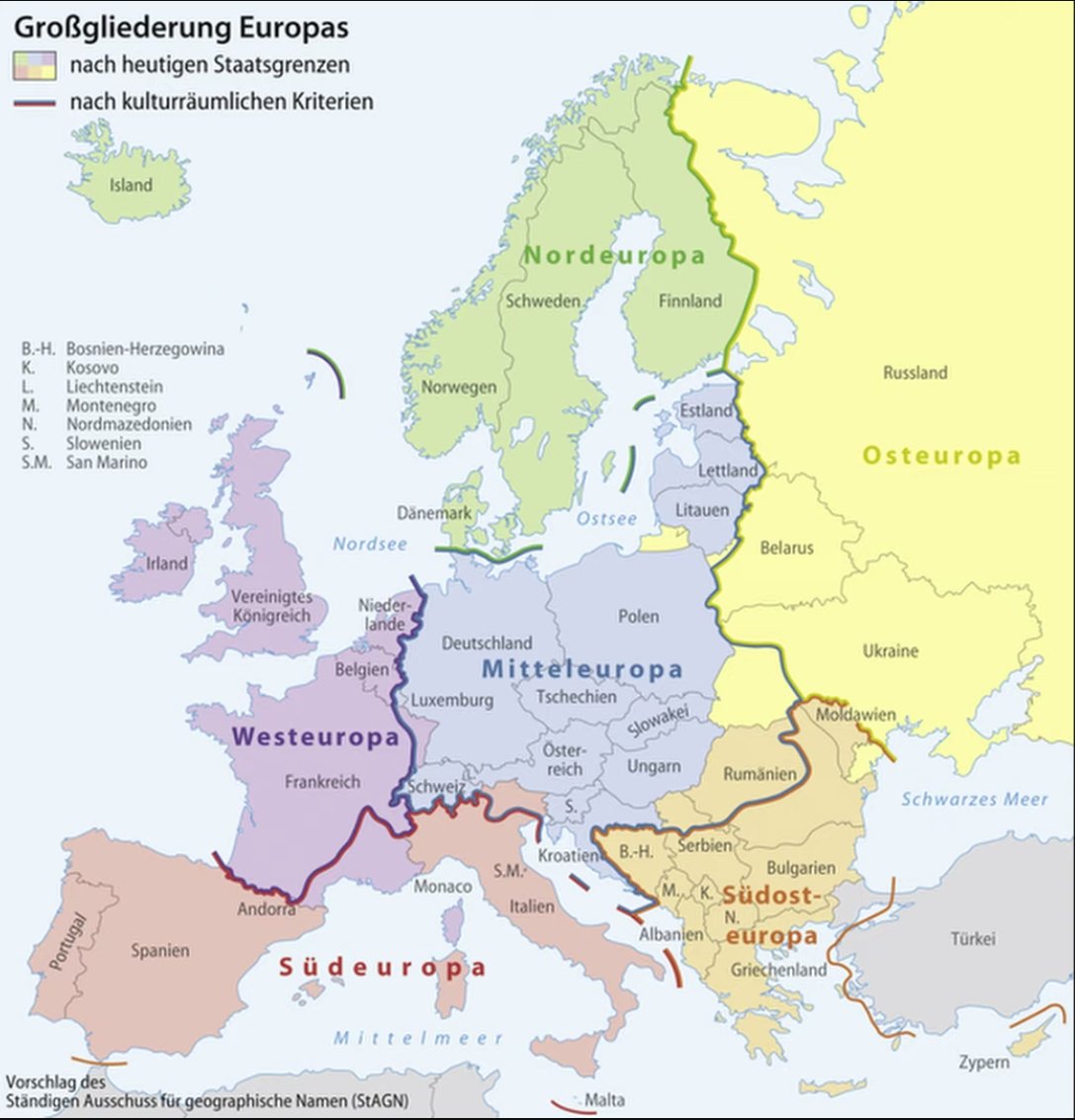
  • European Sub-Civilizations vs States (Pretty good.) At least one more dimension

    European Sub-Civilizations vs States
    (Pretty good.)
    At least one more dimension necessary… https://t.co/uMsBw2W1ww


    Source date (UTC): 2023-04-02 13:33:07 UTC

    Original post: https://twitter.com/i/web/status/1642520536554131456

  • RT @whatifalthist: What the current system shows is that you can have a democrat

    RT @whatifalthist: What the current system shows is that you can have a democratic “humane” “enlightened” government and it can still end u…


    Source date (UTC): 2023-04-01 18:03:21 UTC

    Original post: https://twitter.com/i/web/status/1642226155578163202

  • CHAT GPT ON MACDONALD AND DOOLITTLE (Was curious how it would spin this question

    CHAT GPT ON MACDONALD AND DOOLITTLE
    (Was curious how it would spin this question, but it’s not bad)

    Prompt:
    –“What is the difference between the work of american philosopher and social scientist Curt Doolittle and American psychologist and historian Kevin Macdonald?”-

    Curt Doolittle and Kevin MacDonald are both influential figures in their respective fields, but their work differs in terms of focus, scope, and objectives.

    Curt Doolittle is an American philosopher and social scientist who has developed Propertarianism, a political philosophy that emphasizes property rights, rule of law, and reciprocity as essential components of social cooperation and stability. His work seeks to create a framework for understanding human behavior, social systems, and governance, with the goal of promoting cooperation, trust, and prosperity. Doolittle’s ideas revolve around the importance of demonstrated interests, property rights, and the enforcement of reciprocity in human societies.

    Kevin MacDonald, on the other hand, is an American psychologist and historian who is best known for his controversial work on group evolutionary strategies, particularly in relation to Jewish culture and history. MacDonald has written extensively on the subject, with his most notable work being “The Culture of Critique” series, where he posits that certain characteristics of Jewish culture have evolved as part of a group strategy to enhance survival and reproductive success. MacDonald’s work is focused on understanding the evolutionary basis of group behavior and the impact of these behaviors on broader society.

    In summary, the main differences between Curt Doolittle and Kevin MacDonald’s work are:

    Focus: Doolittle’s work is centered on political philosophy, property rights, and reciprocity, while MacDonald’s work focuses on group evolutionary strategies and their impact on society.

    Scope: Doolittle’s Propertarianism seeks to provide a general framework for understanding human behavior and social systems, whereas MacDonald’s work is more narrowly focused on the evolutionary basis of specific group behaviors, particularly in relation to Jewish culture and history.

    Objectives: Doolittle aims to develop a political philosophy that fosters cooperation, trust, and prosperity, while MacDonald seeks to understand the evolutionary origins and consequences of group behaviors.

    It is important to note that both Doolittle and MacDonald have attracted criticism for their ideas, with some critics arguing that their work is overly reductionist, biased, or potentially harmful.

    Source date (UTC): 2023-04-01 17:32:32 UTC

    Original post: https://twitter.com/i/web/status/1642218402054799363

  • CHAT GPT ON MACDONALD AND DOOLITTLE (Was curious how it would spin this question

    CHAT GPT ON MACDONALD AND DOOLITTLE
    (Was curious how it would spin this question, but it’s not bad)

    Prompt:
    –“What is the difference between the work of american philosopher and social scientist Curt Doolittle and American psychologist and historian Kevin Macdonald?”-

    Curt Doolittle and Kevin MacDonald are both influential figures in their respective fields, but their work differs in terms of focus, scope, and objectives.

    Curt Doolittle is an American philosopher and social scientist who has developed Propertarianism, a political philosophy that emphasizes property rights, rule of law, and reciprocity as essential components of social cooperation and stability. His work seeks to create a framework for understanding human behavior, social systems, and governance, with the goal of promoting cooperation, trust, and prosperity. Doolittle’s ideas revolve around the importance of demonstrated interests, property rights, and the enforcement of reciprocity in human societies.

    Kevin MacDonald, on the other hand, is an American psychologist and historian who is best known for his controversial work on group evolutionary strategies, particularly in relation to Jewish culture and history. MacDonald has written extensively on the subject, with his most notable work being “The Culture of Critique” series, where he posits that certain characteristics of Jewish culture have evolved as part of a group strategy to enhance survival and reproductive success. MacDonald’s work is focused on understanding the evolutionary basis of group behavior and the impact of these behaviors on broader society.

    In summary, the main differences between Curt Doolittle and Kevin MacDonald’s work are:

    Focus: Doolittle’s work is centered on political philosophy, property rights, and reciprocity, while MacDonald’s work focuses on group evolutionary strategies and their impact on society.

    Scope: Doolittle’s Propertarianism seeks to provide a general framework for understanding human behavior and social systems, whereas MacDonald’s work is more narrowly focused on the evolutionary basis of specific group behaviors, particularly in relation to Jewish culture and history.

    Objectives: Doolittle aims to develop a political philosophy that fosters cooperation, trust, and prosperity, while MacDonald seeks to understand the evolutionary origins and consequences of group behaviors.

    It is important to note that both Doolittle and MacDonald have attracted criticism for their ideas, with some critics arguing that their work is overly reductionist, biased, or potentially harmful.


    Source date (UTC): 2023-04-01 17:32:32 UTC

    Original post: https://twitter.com/i/web/status/1642218401840898048

  • MORE GPT4 – BRANDING (I have no idea how I’m going to move the identity from pro

    MORE GPT4 – BRANDING
    (I have no idea how I’m going to move the identity from propertarianism (just the ethics) to natural law (the whole system))

    –“Can you summarize Curt Doolittle’s background please?”–

    Curt Doolittle is an American philosopher, social scientist, and entrepreneur. He is the founder of the Propertarian Institute, where he has developed Propertarianism, a political philosophy focused on property rights, rule of law, and reciprocity as essential components of social cooperation and stability.

    Doolittle’s educational background includes studying economics, history, and computer science. He has also worked in various industries, including technology, software development, and venture capital. This diverse experience has influenced his philosophical work and understanding of human behavior, social systems, and governance.

    His work on Propertarianism has attracted both supporters and critics. While some appreciate the emphasis on property rights and the rule of law as a means of fostering cooperation and social cohesion, others criticize his ideas as overly reductionist or argue that they might lead to undesirable social and political consequences.


    Source date (UTC): 2023-04-01 17:28:31 UTC

    Original post: https://twitter.com/i/web/status/1642217391785402368

  • MORE GPT4 – BRANDING (I have no idea how I’m going to move the identity from pro

    MORE GPT4 – BRANDING
    (I have no idea how I’m going to move the identity from propertarianism (just the ethics) to natural law (the whole system))

    –“Can you summarize Curt Doolittle’s background please?”–

    Curt Doolittle is an American philosopher, social scientist, and entrepreneur. He is the founder of the Propertarian Institute, where he has developed Propertarianism, a political philosophy focused on property rights, rule of law, and reciprocity as essential components of social cooperation and stability.

    Doolittle’s educational background includes studying economics, history, and computer science. He has also worked in various industries, including technology, software development, and venture capital. This diverse experience has influenced his philosophical work and understanding of human behavior, social systems, and governance.

    His work on Propertarianism has attracted both supporters and critics. While some appreciate the emphasis on property rights and the rule of law as a means of fostering cooperation and social cohesion, others criticize his ideas as overly reductionist or argue that they might lead to undesirable social and political consequences.


    Source date (UTC): 2023-04-01 17:28:31 UTC

    Original post: https://twitter.com/i/web/status/1642217391638605825