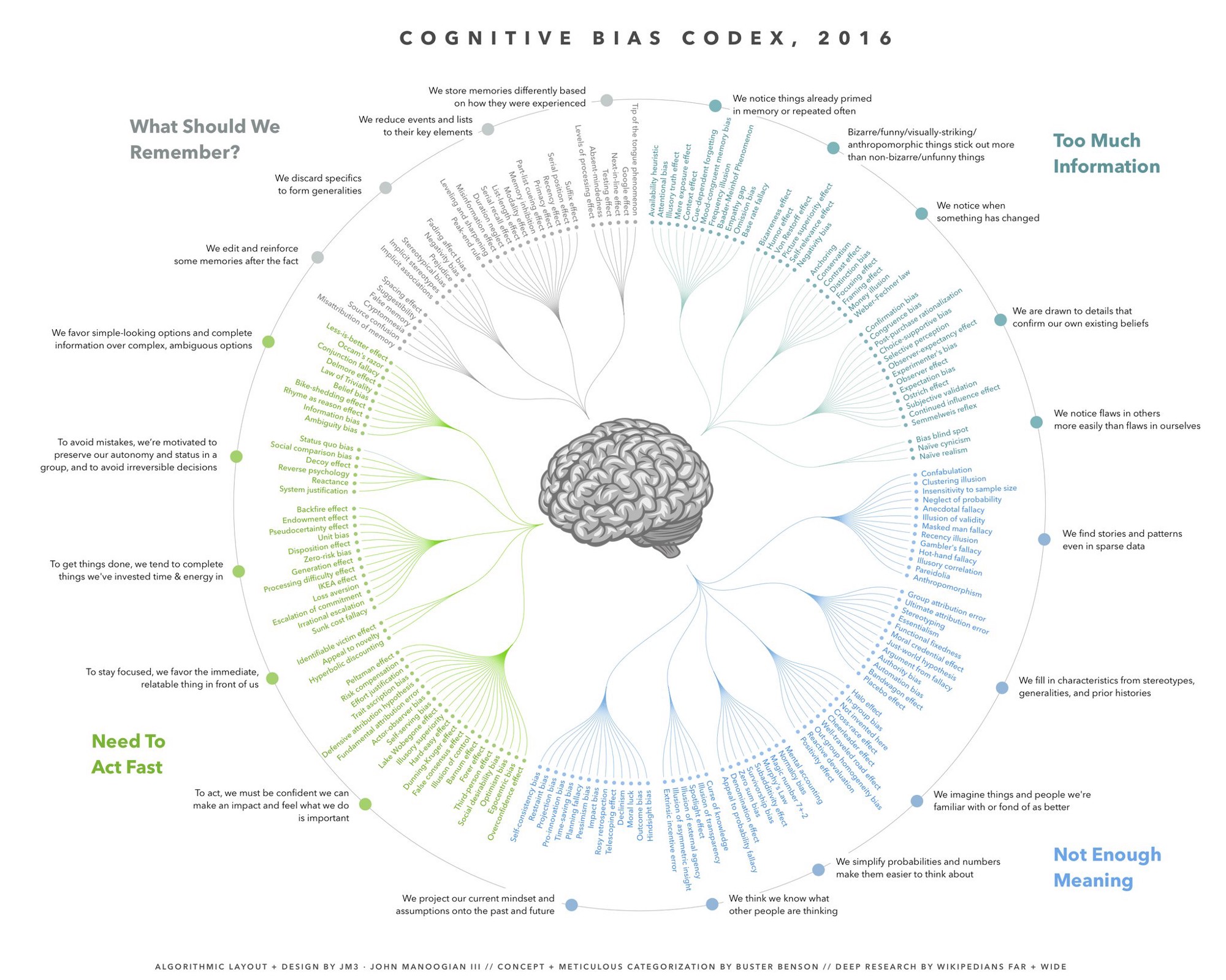
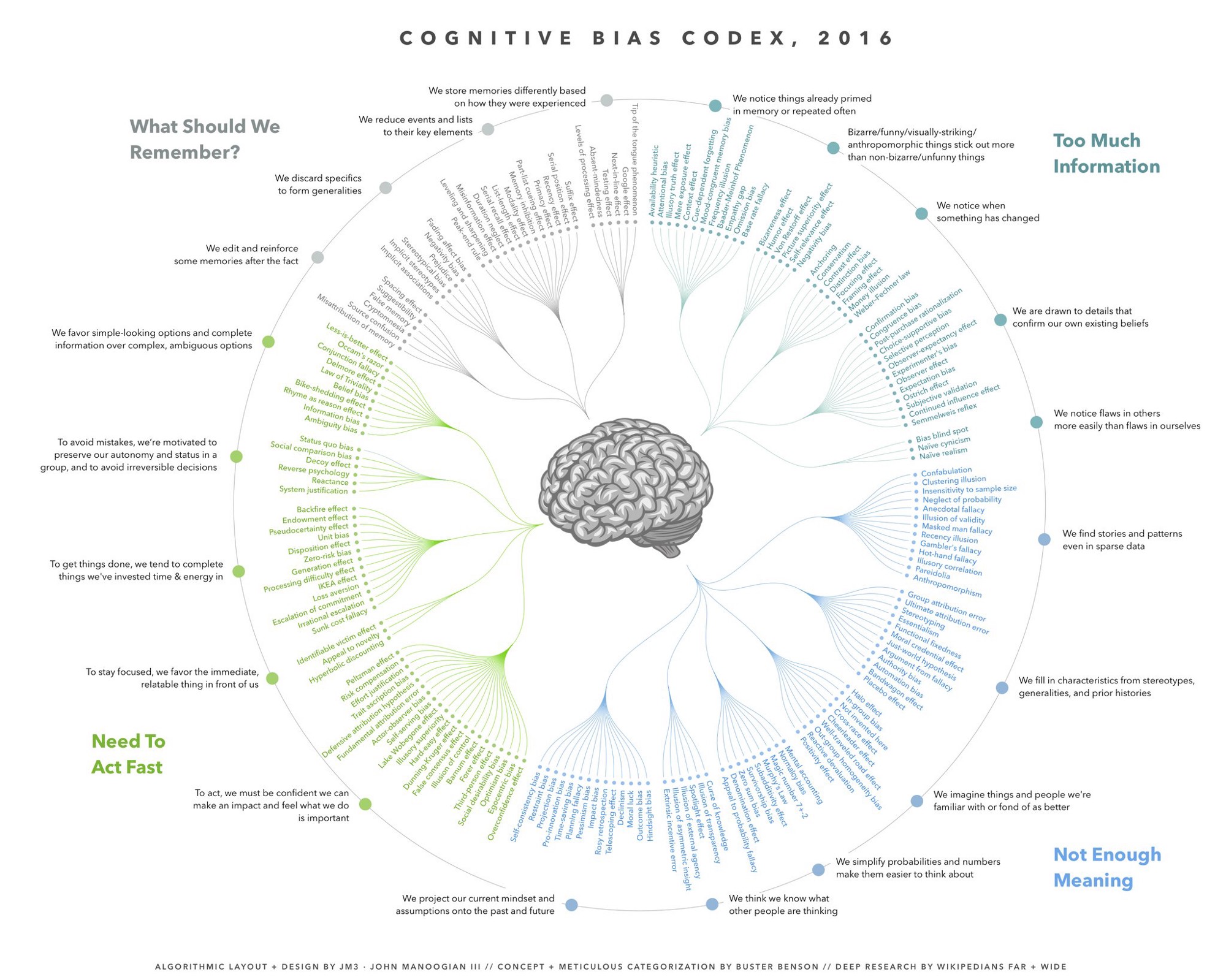
***Modernity limits the accumulation of damage to our cells, but it increases intellectual and emotional stresses dramatically. Neurons have taken the damage in the information era, that physical stresses have in prior eras.**** The Anglo world is as ‘crazy’ as the medieval. The difference is that the current ‘crazy’ is even worse for us than the previous forms of crazy. (thanks Ricky Saini for reminding me of this post. I’d forgotten about it, and it’s worth repeating.)
Category: Human Behavior and Cognitive Science
-
Reproductive Classes
REPRODUCTIVE CLASSES Elite – Extremely desirable Upper – Desirable throughout life. Middle – Desirable through fertility, Upper Lower – Desirable during peak fertility. Lower – Desirable only as ‘settling’ (last resort) Lowest – Undesirable
-
Reproductive Classes
REPRODUCTIVE CLASSES Elite – Extremely desirable Upper – Desirable throughout life. Middle – Desirable through fertility, Upper Lower – Desirable during peak fertility. Lower – Desirable only as ‘settling’ (last resort) Lowest – Undesirable
-
Amoral Propertarian Analysis
AMORAL PROPERTARIAN ANALYSIS: 1 – I do understand ‘domestication as defensive measure’ 2 – I do understand ‘profiting from domestication’ – an industry. 3 – I do understand that human domestication has produced the same goods for humanity that the domestication of animals and plants and ‘physics’ have provided. 4 – I do understand ‘transcendence’ as the last most intertemporal decidable criteria in the dispute between preferences. I think ‘white man’s burden is bit of masturbatory a signal nonsense’
-
Amoral Propertarian Analysis
AMORAL PROPERTARIAN ANALYSIS: 1 – I do understand ‘domestication as defensive measure’ 2 – I do understand ‘profiting from domestication’ – an industry. 3 – I do understand that human domestication has produced the same goods for humanity that the domestication of animals and plants and ‘physics’ have provided. 4 – I do understand ‘transcendence’ as the last most intertemporal decidable criteria in the dispute between preferences. I think ‘white man’s burden is bit of masturbatory a signal nonsense’
-
Domestication Causes More Meaningful Evolution Than Mutation
Sep 02, 2016 10:59pm As far as I know: 1) In the past 30k and certainly in the past 10K years, the driving force in selection has not been mutation, but ‘group domestication’. There are environmental selection pressures ( dairy, wheat, disease resistance) sure. But the primary difference has been, just like domesticated animals, domestication of mankind using the same techniques: maturity. 2) the primary change that has caused the major differences between the groups has been (a) rate of sexual maturity (b) degree of sexual maturity, (c) sexual dimorphism. Ergo, the primary differences are in endocrine expression. And from the data I’ve seen it’s pretty obvious that the majority of the difference in maturity has been testosterone levels. 3) the secondary major change has been how aggressively some groups domesticated their members (east asia, western europe), or how groups have been unable to domesticate their members (africa and the middle east). 4) of the mutations that do occur, these appear to be relatively minor trade-offs that are related to these differences (speed vs endurance). So as far as I now, evolution by mutation, has been trivial compared to evolution by domestication. This inverts the multi-level selection argument: most genetic mutation and drift is ‘noise’ and domestication has been the primary influence (culture), with the secondary influence being territory. The genome stores ‘options’ which we seem to express. I am not sure there is much of a case to be made for terribly meaningful genetic variation. In my work (which seems to have pleasantly shocked the Africans), as far as I can tell, the major differences between regional groups is how successful they have been at eliminating the underclasses and redistributing reproduction upwards. Unfortunately, it’s impolitic. But it is what it is. Curt Doolittle The Propertarian Institute Kiev, Ukraine
-
Domestication Causes More Meaningful Evolution Than Mutation
Sep 02, 2016 10:59pm As far as I know: 1) In the past 30k and certainly in the past 10K years, the driving force in selection has not been mutation, but ‘group domestication’. There are environmental selection pressures ( dairy, wheat, disease resistance) sure. But the primary difference has been, just like domesticated animals, domestication of mankind using the same techniques: maturity. 2) the primary change that has caused the major differences between the groups has been (a) rate of sexual maturity (b) degree of sexual maturity, (c) sexual dimorphism. Ergo, the primary differences are in endocrine expression. And from the data I’ve seen it’s pretty obvious that the majority of the difference in maturity has been testosterone levels. 3) the secondary major change has been how aggressively some groups domesticated their members (east asia, western europe), or how groups have been unable to domesticate their members (africa and the middle east). 4) of the mutations that do occur, these appear to be relatively minor trade-offs that are related to these differences (speed vs endurance). So as far as I now, evolution by mutation, has been trivial compared to evolution by domestication. This inverts the multi-level selection argument: most genetic mutation and drift is ‘noise’ and domestication has been the primary influence (culture), with the secondary influence being territory. The genome stores ‘options’ which we seem to express. I am not sure there is much of a case to be made for terribly meaningful genetic variation. In my work (which seems to have pleasantly shocked the Africans), as far as I can tell, the major differences between regional groups is how successful they have been at eliminating the underclasses and redistributing reproduction upwards. Unfortunately, it’s impolitic. But it is what it is. Curt Doolittle The Propertarian Institute Kiev, Ukraine
-
Graphing Societies By Neuroticism and Individualism
Once we evolved sentience we required a fanciful positive incentive in order to deal with the fact that the universe is hostile to us, does not care about us, and will exterminate us in a heartbeat if we cease the struggle. And that our collective consciousnesses in each tribe constitute the god we speak to so that together we maintain the illusion that there is some ‘hope’ for us. So some cultures look to the past(china, japan), some to the future(the west), and some to fantasy (Islam, Christianity, but most certainly Hinduism), and some to the rejection of reality altogether (Buddhism). That describes all possible extremes of present-avoidance available to man. I did not say that spirituality provided what is good for man. In fact, other than Stoicism, I think all cults in history are as destructive in some sense while constructive in another (But why does Christianity create prosperity?) But they all provide the same escape from stresses in the present through membership in a virtual ‘pack’ or ‘herd’ that we can appeal to through direct subjective introspection of the patterns in that system of thought. All of which is largely an external consequence of sentience without the ‘internet’ equivalent of constant communication from mind to mind that seems to occur between pack and herd animals. Individual thought comes at a high price. As an aside: stress is created by what psychologists call ‘neuroticism’. So some personalities feel this need greatly, and some personalities feel it very little. If we combine this with intelligence, we see some people have a trust issue because of dunning Kruger effects (they cannot tell whether someone lies or not). So if we combine intelligence vs neuroticism we get a pretty obvious way of graphing different populations and societies.Westerners have higher creativity, and this seems to be correlated with the fact that we have higher neuroticism. It may be that either higher demand for individualism produces higher neuroticism or the inverse.