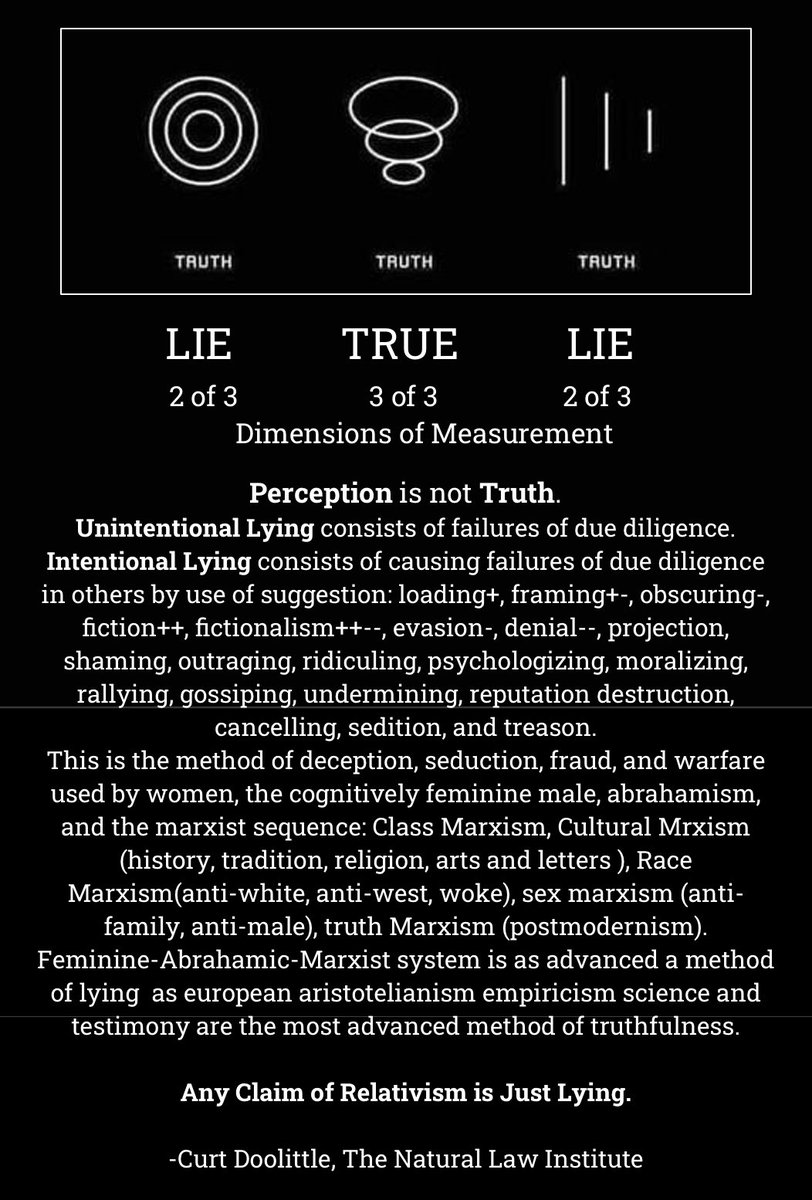
–“Q: CURT: “RE: aihinger’s Philosophy of “As If” – How do fictions and fictionalisms relate to your work, and what do they imply?”— Kevin Mackay
I wish I received more interesting questions like this one. lol.
Well, you know, this is one of those cases where an author writes a book for what really amounts to a paper. ;). But he was a man of his time, and he probably should have more substantially limited his theory to that of philosophy (choice) and religion (wisdom).
Now what he was defending, by criticizing the limits of the sciences at the time, was the use of wisdom, tradition, philosophy, and religion to solve questions.
His point is that epistemically speaking, all presumptions, myths, narratives, histories, rules, theories, and even to lesser degree, scientific laws, carry at least the following information and consequence:
1) an objective (a question that satisfies a purpose).
2) a paradigm of decision making ( commensurability) for that purpose.
3) a level of precision (error).
4) a dense network of meaning (dimensions) within that paradigm that has, by the process of evolution of that paradigm, been useful for solving some set of problems within a set of presumptions, premises, and wants.
6) Where the question being asked requires only the level of precision provided by the paradigm, where a paradigm like all applications of language consists and must consist of a system of measurement for the satisfaction of understanding, choice or decidabilty for some purpose.
7) And where anything more ‘true’, meaning a much more precise paradigm of decision making, may remove the subjective content, bias, want, and preference that carries weight in many human understandings, decisions, and wants. Or worse would be incomprehensible and unusable by the individual because he or she lacks the requisite knowledge to employ it, or even interpret it’s outputs.
So as in all things, the question is, are we seeking wisdom (religion-theology), choice (philosophy), truth (testifiable testimony), or decidability (science as I use the term: surviving both evidence and first principles) – which is merely a difference in a degree of precision as questions evolve from the general to the particular.
Affections
CD
Reply addressees: @KevinDMackay