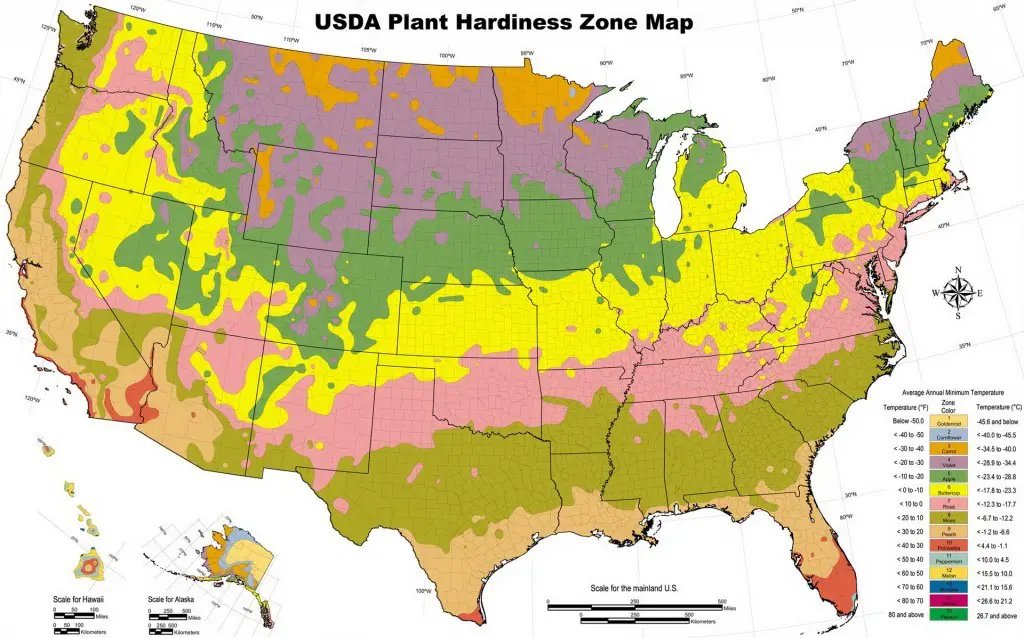
US AGRARIAN CAPACITY MAP
Why were there small farms in the north and large plantations in the south? Climate: North for Subsistence crops vs South for Cash Crops.
Geographical and Climatic Conditions
North: The Northern states have a temperate climate with shorter growing seasons and less fertile soil compared to the South. These conditions were less conducive to the cultivation of labor-intensive cash crops on a large scale. Instead, the land was more suitable for diverse, small-scale farming that produced a variety of crops and livestock, which could sustain a family and possibly generate a modest surplus for sale.
South: The Southern states benefit from a warmer climate and longer growing seasons, along with fertile soil that is ideal for the cultivation of cash crops such as tobacco, cotton, and rice. These crops were highly labor-intensive and profitable, particularly when grown on a large scale, leading to the development of extensive plantations.
Economic Factors
Cash Crops vs. Subsistence Farming: The Southern economy became heavily dependent on cash crops that were in high demand in both domestic and international markets, making large-scale agricultural operations more economically viable. In contrast, the Northern economy was more diversified, including industry and small-scale agriculture that focused on subsistence and local markets.
Labor Systems: The profitability of large plantations in the South was closely tied to the use of enslaved labor, which provided a cost-effective workforce for the labor-intensive cultivation and harvesting of cash crops. The North, with its smaller farms and diverse economy, relied more on family labor and paid workers, making large-scale plantation agriculture less common.
Social and Political Factors
Land Ownership Patterns: In the South, land was more readily available and often sold in large parcels, which favored the establishment of large plantations. The social and economic prestige in the South was associated with the ownership of extensive lands and the use of slave labor. In the North, land ownership patterns, inheritance laws, and a more industrialized economy encouraged smaller, family-run farms.
Slavery: The institution of slavery was foundational to the Southern plantation system, enabling the large-scale production of cash crops. The moral, economic, and political opposition to slavery in the North led to a very different labor system and, consequently, a different agricultural model.
These factors combined to create distinct agricultural systems in the North and South. The large plantations of the South were economically oriented towards producing a few cash crops for both domestic consumption and export, relying on a labor system based on slavery. In contrast, the North’s smaller farms were more diversified, producing a range of crops and livestock for local consumption and markets, with a labor system that increasingly moved away from slavery and towards free labor as the industrial economy grew.