Author: Curt Doolittle

  • (Help? MU outpost? Mouse Utopia? πŸ˜‰ )

    (Help? MU outpost? Mouse Utopia? πŸ˜‰ )


    Source date (UTC): 2024-03-28 18:16:32 UTC

    Original post: https://twitter.com/i/web/status/1773413881756495908

    Reply addressees: @Tysenberg @whatifalthist

    Replying to: https://twitter.com/i/web/status/1773412632600412522

  • NYC is being forced into a transient economy where there are no families just si

    NYC is being forced into a transient economy where there are no families just single and childless until they rotate out of the city to areas where raising children is affordable. That leaves only the immigrants and unemployable underclass lowinvestment parents that are a drain on the productive people. However, this trategy means that businesses will continue to exit. And (my) the other strategy is the movement of the financial sector out of NYC. Which is almost certain to happen. And if we are able to enact my suggested constitutional and policy reforms the financial sector in NYC wll be vaporized and distributed around the country.


    Source date (UTC): 2024-03-28 18:15:21 UTC

    Original post: https://twitter.com/i/web/status/1773413584829087747

  • Pennsylvania German < --- > Anglo New England territorial distribution. However,

    Pennsylvania German < — > Anglo New England territorial distribution.
    However, anglo civ was germanic until about 1830, when the british and then the americans adopted jewish financialism instead of german production. So for quite a while we had the optimum distribution of…


    Source date (UTC): 2024-03-28 18:11:48 UTC

    Original post: https://twitter.com/i/web/status/1773412690699931806

    Replying to: https://twitter.com/i/web/status/1773411381196288038

  • Why are you so confident despite so obviously incompetent at comprehending the d

    Why are you so confident despite so obviously incompetent at comprehending the data? You made category errors in the last post and you’re doubling down in this post. How many Spartans were there compared to their Helots? How many Athenians vs the conquered and the slaves? What is the genetic composition between the Macedonians Athenians, Spartans, and Hittites? What difference in genetic composition between the Spartans and the helots, and what cultural (civilizational) differences were there, and even then in the cline from the core of western evolution (corded ware) in the north to expansion (because of sea trade) in greece the aegean islands and aegian anaatolia? What was the genetic composition of those indo europeans along that cline?

    You’ll keep using theh feminine left tactic of rolling accusation, despite each being falsified, you ignore that y ou’ve been wrong and keep attempting undermine by new aspersons. Defeating you idiots is time consuming but does serve to educate the audience as a byproduct.

    Are you sure you aren’t either Ashekanzi or possessing a vagina? πŸ˜‰ I mean, you’re entirely feminine in cognition and speech.

    Reply addressees: @JakeLemons59660 @TabbyTeamster


    Source date (UTC): 2024-03-28 18:09:12 UTC

    Original post: https://twitter.com/i/web/status/1773412035729948673

    Replying to: https://twitter.com/i/web/status/1773409197410906481

  • What region is ‘unremarkable’? I’m not sure there are any in the USA other than

    What region is ‘unremarkable’? I’m not sure there are any in the USA other than some not-yet-vacated rust belt cities.


    Source date (UTC): 2024-03-28 17:58:53 UTC

    Original post: https://twitter.com/i/web/status/1773409438059085852

    Reply addressees: @Tysenberg @whatifalthist

    Replying to: https://twitter.com/i/web/status/1773409021640269887

  • No. Central CT. I grew up in Canandaigua (west of the hudson). But technically s

    No. Central CT. I grew up in Canandaigua (west of the hudson). But technically speaking upstate NY is just an extension of old new england. Especially where I grew up.


    Source date (UTC): 2024-03-28 17:49:53 UTC

    Original post: https://twitter.com/i/web/status/1773407173592191374

    Reply addressees: @whatifalthist

    Replying to: https://twitter.com/i/web/status/1773406591175278882

  • I mean, who’s more psycho than her other than pelosi?

    I mean, who’s more psycho than her other than pelosi?


    Source date (UTC): 2024-03-28 17:48:27 UTC

    Original post: https://twitter.com/i/web/status/1773406815721558276

    Reply addressees: @YunglePever @BowTiedKong

    Replying to: https://twitter.com/i/web/status/1773406083626791009

  • Why Social Media? Because it is still more fulfilling to cast pearls before swin

    Why Social Media?
    Because it is still more fulfilling to cast pearls before swine but still finding the occasional human, than to not work with pearls at all. πŸ˜‰


    Source date (UTC): 2024-03-28 17:47:35 UTC

    Original post: https://twitter.com/i/web/status/1773406598204895527

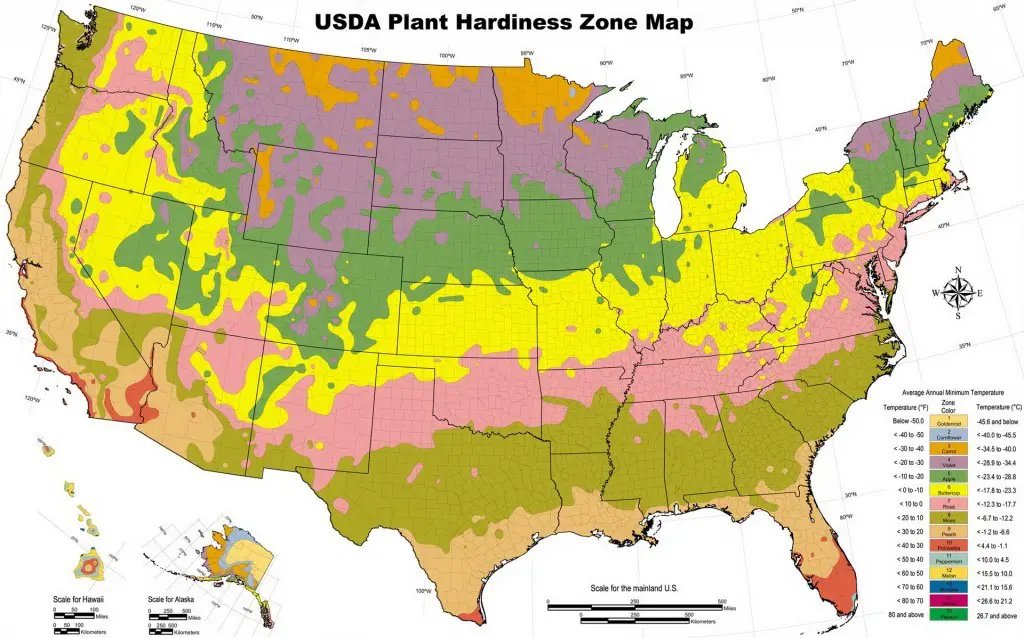
  • US AGRARIAN CAPACITY MAP Why were there small farms in the north and large plant

    US AGRARIAN CAPACITY MAP Why were there small farms in the north and large plant

    US AGRARIAN CAPACITY MAP
    Why were there small farms in the north and large plantations in the south? Climate: North for Subsistence crops vs South for Cash Crops.

    Geographical and Climatic Conditions
    North: The Northern states have a temperate climate with shorter growing… https://t.co/K2oPrvwcCd


    Source date (UTC): 2024-03-28 17:44:45 UTC

    Original post: https://twitter.com/i/web/status/1773405881142509866

  • US AGRARIAN CAPACITY MAP Why were there small farms in the north and large plant

    US AGRARIAN CAPACITY MAP
    Why were there small farms in the north and large plantations in the south? Climate: North for Subsistence crops vs South for Cash Crops.

    Geographical and Climatic Conditions
    North: The Northern states have a temperate climate with shorter growing seasons and less fertile soil compared to the South. These conditions were less conducive to the cultivation of labor-intensive cash crops on a large scale. Instead, the land was more suitable for diverse, small-scale farming that produced a variety of crops and livestock, which could sustain a family and possibly generate a modest surplus for sale.

    South: The Southern states benefit from a warmer climate and longer growing seasons, along with fertile soil that is ideal for the cultivation of cash crops such as tobacco, cotton, and rice. These crops were highly labor-intensive and profitable, particularly when grown on a large scale, leading to the development of extensive plantations.

    Economic Factors
    Cash Crops vs. Subsistence Farming: The Southern economy became heavily dependent on cash crops that were in high demand in both domestic and international markets, making large-scale agricultural operations more economically viable. In contrast, the Northern economy was more diversified, including industry and small-scale agriculture that focused on subsistence and local markets.

    Labor Systems: The profitability of large plantations in the South was closely tied to the use of enslaved labor, which provided a cost-effective workforce for the labor-intensive cultivation and harvesting of cash crops. The North, with its smaller farms and diverse economy, relied more on family labor and paid workers, making large-scale plantation agriculture less common.

    Social and Political Factors
    Land Ownership Patterns: In the South, land was more readily available and often sold in large parcels, which favored the establishment of large plantations. The social and economic prestige in the South was associated with the ownership of extensive lands and the use of slave labor. In the North, land ownership patterns, inheritance laws, and a more industrialized economy encouraged smaller, family-run farms.

    Slavery: The institution of slavery was foundational to the Southern plantation system, enabling the large-scale production of cash crops. The moral, economic, and political opposition to slavery in the North led to a very different labor system and, consequently, a different agricultural model.

    These factors combined to create distinct agricultural systems in the North and South. The large plantations of the South were economically oriented towards producing a few cash crops for both domestic consumption and export, relying on a labor system based on slavery. In contrast, the North’s smaller farms were more diversified, producing a range of crops and livestock for local consumption and markets, with a labor system that increasingly moved away from slavery and towards free labor as the industrial economy grew.

    Source date (UTC): 2024-03-28 17:44:44 UTC

    Original post: https://twitter.com/i/web/status/1773405880853180416